
Last updated November 16, 2026
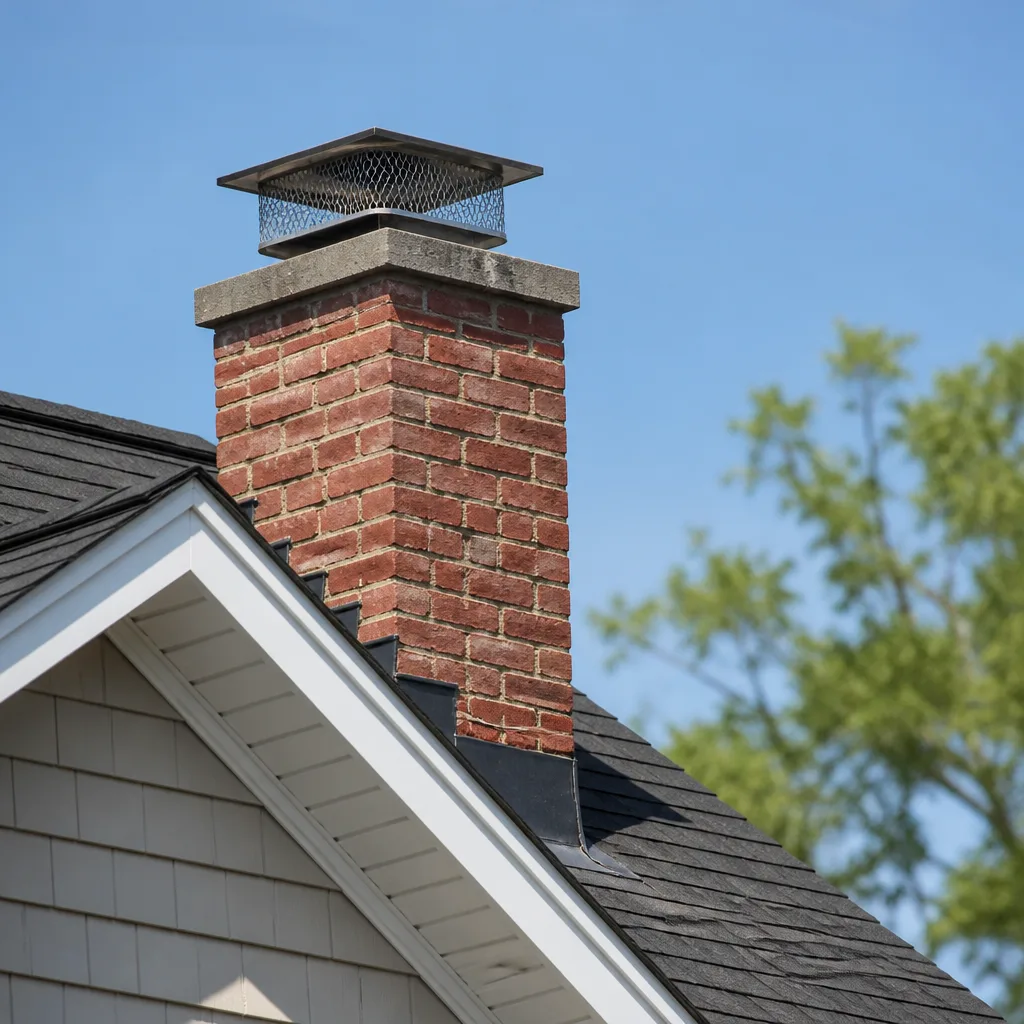 Sweep & inspection
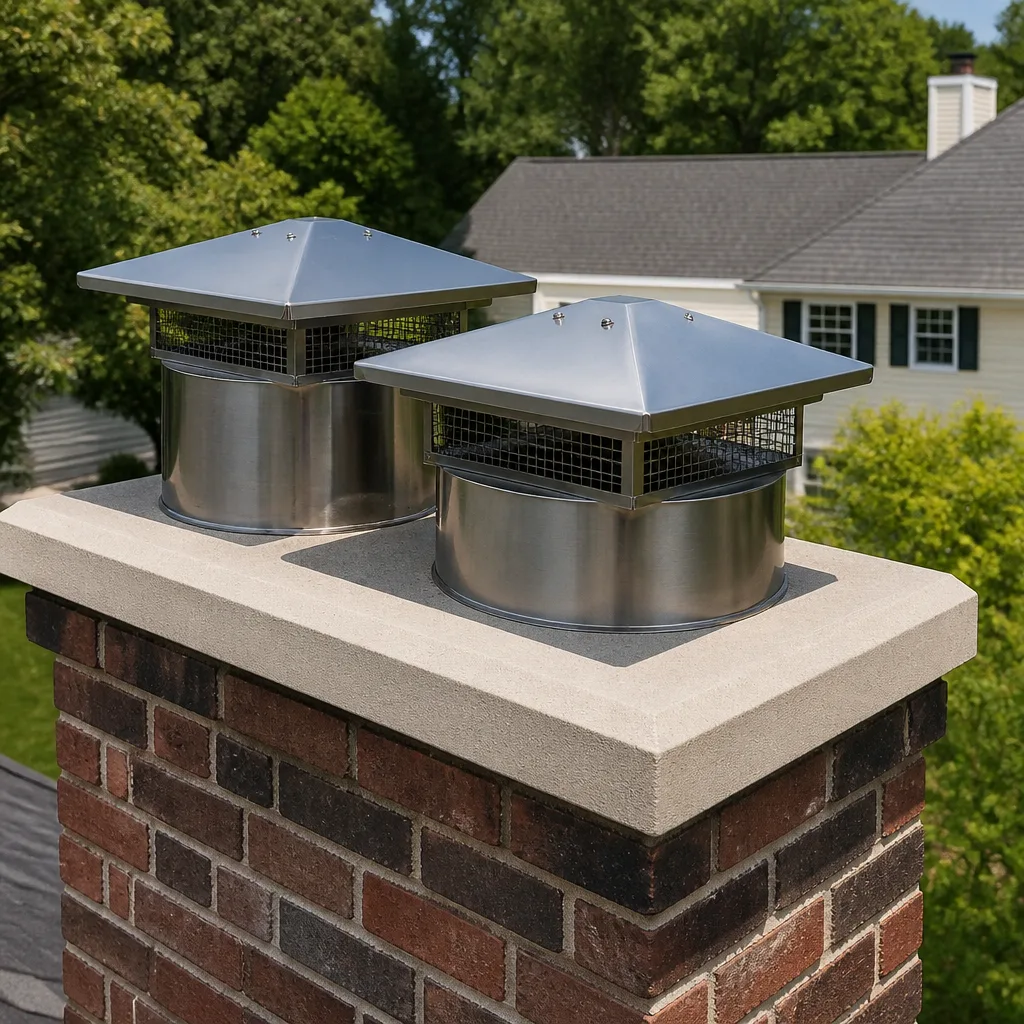 Caps & crowns
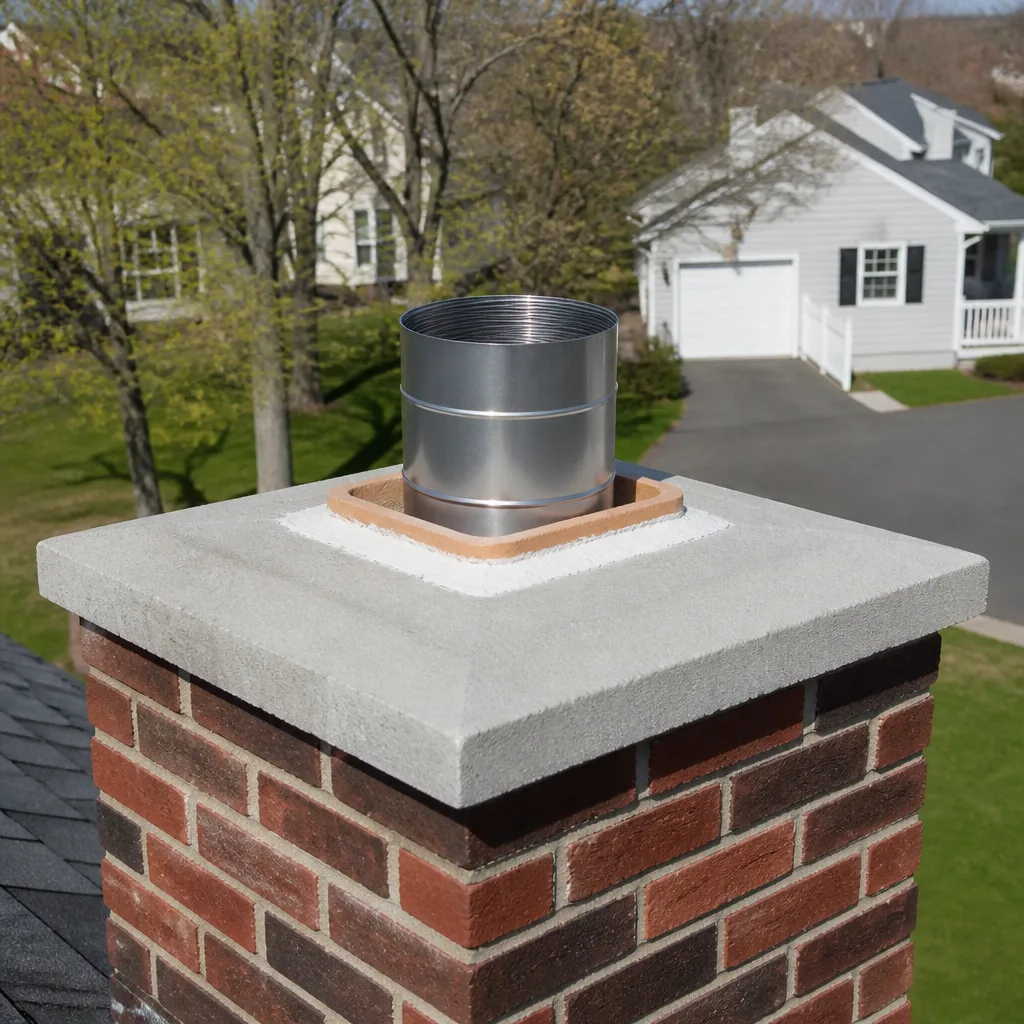 Flue relining
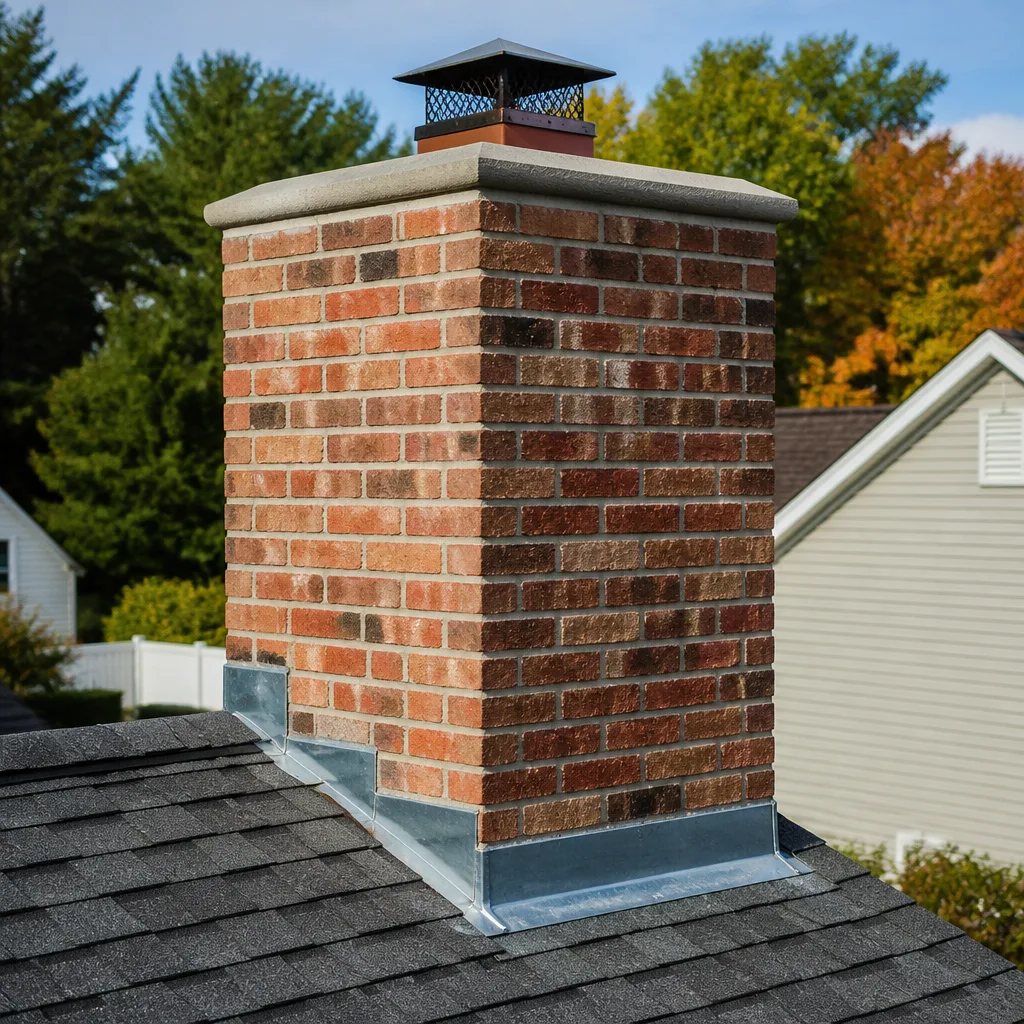 Masonry repair
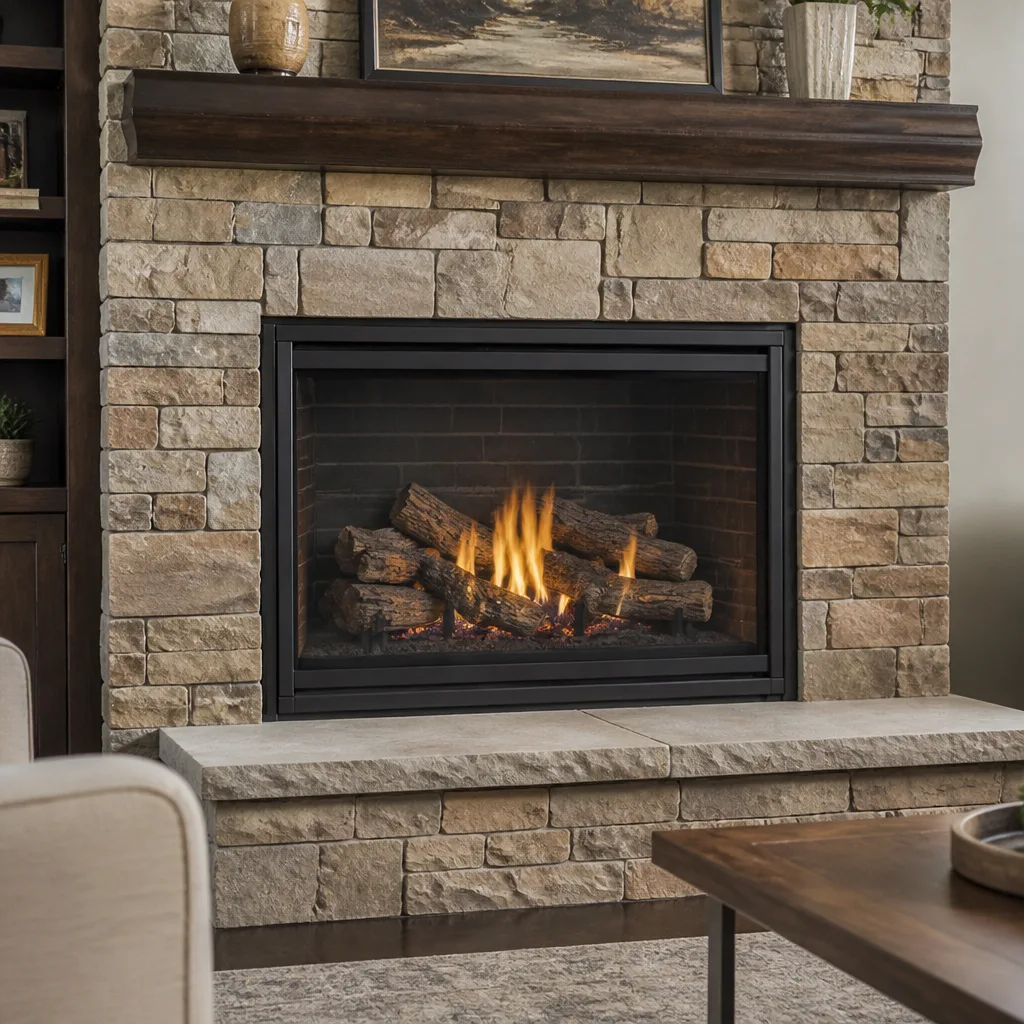 Gas fireplace service
Level 1 sweep and inspection to the NFPA 211 annual standard - flue, crown, cap, and flashing checked and photographed
Chimney sweep logs do not sweep chimneys. They loosen some creosote - which then falls where a brush and vacuum still have to collect it.
Chimney Sweep Troubleshooting in Enterprise: Common Problems and How to Fix Them
A smoky fireplace isn’t a “draft problem.” It’s a symptom with a specific cause behind it, and the cause determines whether you’re facing a minor adjustment or a structural repair. Two chimneys can smoke identically and need completely different work. The homeowner who understands which symptom points to which failure avoids paying for repairs they don’t need and catches the dangerous ones before they become expensive. This guide maps the five most common chimney complaints in Enterprise, NV to their real root causes, explains how the high-desert climate here shapes the way chimneys fail, and shows you where a simple fix ends and a professional inspection begins.
Quick Answer
Most chimney problems in Enterprise fall into five categories: smoke coming back into the room, persistent odor, visible creosote buildup, spalling or cracked brick, and a fire that draws poorly. Each has a distinct cause, from a blocked damper to a cracked flue tile to a failing crown. Some are cheap to fix and some are structural. The way to know which one you have is a camera inspection, not a guess based on the symptom alone. A free estimate and a written scope from a chimney specialist settles it before any money changes hands.
Styles & brands we work with
- Sweep & inspection
- Caps & crowns
- Flue relining
- Masonry repair
- Gas fireplace service
Table of Contents
- The Symptom-to-Cause Map: What Your Chimney Is Telling You
- Why Enterprise’s Desert Climate Breaks Chimneys Differently
- Smoke Coming Into the Room: Backdraft or Blockage?
- Chimney Odor in Summer: Creosote, Moisture, or Something Else
- Spalling Brick and Cracked Crowns: What You’re Seeing
- Sealant vs. Structural Repair: Why the Wrong Product Makes It Worse
- When a DIY Fix Is Fine and When You Need a Level 2 Inspection
- Red Flags That Mean Stop Using the Fireplace Now
The Symptom-to-Cause Map: What Your Chimney Is Telling You
Chimney troubleshooting starts with separating symptoms that look similar but aren’t. A fireplace that smokes only on start-up is behaving very differently from one that smokes throughout the burn, and an odor that appears only in summer heat points somewhere different than an odor that shows up during every fire. Getting this mapping right is the whole game. Here’s how we sort the five common complaints.
- Smoke rolling back into the room. Usually a draft or pressure issue: a flue that’s too cold, a house that’s too tight, or a damper that isn’t fully open. Less often it’s a physical obstruction. This is the one homeowners most often mislabel as “just how old fireplaces work,” and it’s usually fixable.
- Persistent smoky odor when there’s no fire. Almost always creosote or moisture. Creosote off-gasses in heat; moisture in the flue produces a musty, sour smell. The fix is a proper sweep and, if moisture is the cause, addressing where water is getting in.
- Visible creosote on the flue walls. Buildup is a cleaning issue, but the type matters. Glossy, tar-like creosote is a fire hazard and signals the chimney has been running too cool or hasn’t been swept often enough.
- Spalling brick and cracked mortar. Water intrusion plus freeze-thaw and thermal cycling. This is structural and gets worse every season it’s ignored.
- Slow, weak draw even with a clean flue. A flue sizing or height problem, a damaged flue tile, or an obstruction at the cap. This is exactly where a camera inspection earns its keep.
The point of mapping the symptom first is to stop you from buying the wrong fix. A $200 sweep won’t solve a draft problem caused by a house under negative pressure. A sealant won’t solve a structural crack in a flue tile. Getting the diagnosis right at the front is what a chimney specialist does, and it’s why we treat inspections as the front door to every other service.
Why Enterprise’s Desert Climate Breaks Chimneys Differently
Enterprise sits in the high desert south of Las Vegas, and that changes what fails and how fast. Two forces dominate here: extreme heat cycles and monsoon-season moisture. Neither is the wet, cool, salt-air pattern most chimney guides are written around, and applying that advice to a chimney in Enterprise leads to the wrong conclusions.
Heat cycling. Masonry expands in the desert sun and contracts hard overnight. That daily swing stresses mortar joints, crown edges, and the bond between brick and flue tile. Cracks that would take years to open in a mild climate can appear in a few seasons on an exposed chimney here. Most of the cracked crowns we see in Enterprise show a pattern that starts at the top edge, where the sun lands hardest.
Monsoon moisture intrusion. When the summer storms arrive, they deliver rain fast and in volume rather than as a steady drizzle. A hairline crack in a crown or a failed flashing detail lets that water in quickly, and because the surrounding masonry bakes dry afterward, the moisture gets trapped and pulled back out repeatedly. That cycle of wetting and rapid drying is what drives spalling brick and deteriorating mortar.
What this means for you. A chimney in Enterprise should be checked for crown and flashing integrity more often than a homeowner in a wet climate expects, and it should be checked after major storms. Water damage, not creosote, is the most common reason a chimney in Enterprise needs repair work rather than just a cleaning. That’s why we lean on HeatShield for resurfacing when the flue lining is worn, and on proper crowns and caps built for the sun and monsoon swings, not the cheapest cap on a shelf. The materials matter here more than in a milder climate.
Chimney care in the desert is not a smaller job than it is elsewhere. It’s a different job, and treating the chimney like the system it is stops you from fixing one problem while the next one quietly builds.
Smoke Coming Into the Room: Backdraft or Blockage?
Smoke rolling into the room feels like one problem. It’s actually two, and telling them apart is quick. Backdraft happens when there’s no physical obstruction, but the flue can’t establish an upward draft. Blockage happens when something is literally in the way.
Signs it’s backdraft:
- The smoke appears mainly when you first light the fire and settles once the flue warms.
- Your house is tightly sealed, and running a bath fan or kitchen exhaust pulls even more smoke in.
- The chimney is on an exterior wall and the flue is cold.
- The problem started after you had windows or insulation work done.
Signs it’s a blockage:
- Smoke comes back every time, regardless of temperature.
- You notice a drop in the roar of the fire and a weak draw from the start.
- There’s a nest, debris, or a fallen piece of masonry visible at the firebox or cap.
- The chimney hasn’t been swept in a long time, or a storm came through recently.
Backdraft is fixed by improving the draft path: correcting flue height, addressing pressure problems, or making sure the damper is fully clear. Blockage is fixed by removing the obstruction, and the honest way to find it is a camera inspection that shows you the flue from top to bottom. You see the blockage yourself on the screen. That matters because it’s the difference between paying for a real fix and paying for a guess.
Either way, don’t run the fireplace and hope the smoke clears. If smoke is coming back consistently, stop using it until someone looks. Call (855) 752-5896 for a free estimate, and we’ll scope the cause before any work begins.
Chimney Odor in Summer: Creosote, Moisture, or Something Else
A chimney that smells like a campfire in July is a chimney telling you something specific. The warmth of summer draws the volatile compounds out of creosote deposits and pulls that smell down the flue into the house. Moisture in the flue produces a different smell, more sour and musty than smoky. And a dead animal or nest in the flue produces something unmistakable and worse.
Here’s how we sort odor complaints:
- Smoky smell in warm weather with no fire. Creosote, plain and simple. A proper chimney sweep removes the deposits and the smell goes with them.
- Musty or damp smell, often after storms. Water is getting in through a cracked crown, failed flashing, or a missing cap. Sweeping doesn’t fix this. Sealing the source does.
- Strong, unpleasant smell that appeared suddenly. Often an animal or nest. The fix is removal plus a proper cap to stop it happening again.
- Sour smell that lingers even in cool weather. A sign moisture is trapped in the masonry itself, and can point to damage that needs a structural repair, not just a cleaning.
The trap here is treating every odor as “just creosote smell” and booking a sweep. If the cause is moisture, you’ll pay for a cleaning that doesn’t solve the problem, and the smell comes back within a season. Ask for the diagnosis first. A camera inspection and a look at the crown, cap, and flashing will tell you which of those four you’re dealing with before anyone starts work.
A cap does a lot of quiet work in Enterprise, which is why we specify Gelco caps and Famco components rather than generic substitutes. A cap that breathes correctly and seals out rain and animals prevents a whole category of future complaints.
Spalling Brick and Cracked Crowns: What You’re Seeing
Spalling is the flaking, peeling, or crumbling of a brick face. A cracked crown is the concrete or masonry top of the chimney breaking apart. Both are signs of water damage and thermal stress, and both get worse every season if left alone. On a chimney in Enterprise, where the sun and the monsoon tag-team the masonry, they show up sooner than many homeowners expect.
Here’s what a proper inspection of these problems looks like:
- Look at the crown from the ground. A crown should slope away from the flue so water runs off. If it’s flat, pitted, or cracked clean through, it’s not doing its job.
- Check the mortar joints. Crumbling mortar between bricks lets water into the wall. Rebuilt joints stop that, but only after the source is found.
- Look at the flue tile inside. Cracked or missing flue tiles are the structural problem most likely to be missed by a visual check from below. A camera sees them clearly.
- Confirm the flashing at the roofline. A chimney that leaks into the attic or ceiling usually has a flashing problem, not a flue problem.
For worn flue linings, HeatShield resurfacing is the right tool: it rebuilds the interior surface rather than painting a coating over the damage. For a flue that needs a new liner entirely, DuraFlex flexible liner systems give you a professional-grade component designed to last. Those are the materials a chimney specialist specifies, and they’re the difference between a repair that holds and a patch that fails.
If you can see spalling or a cracked crown from the ground, get it looked at before the next monsoon season. Small masonry repairs today cost far less than rebuilding a chimney top later. Call (855) 752-5896 for a free estimate.
Sealant vs. Structural Repair: Why the Wrong Product Makes It Worse
This is the mistake we see most often, and it’s expensive precisely because it looks like it worked. A homeowner or a general handyman sees a crack, applies a sealant, and the crack disappears. For a season. Then it’s back, and the damage underneath is worse than it was.
Sealants and coatings have a real place. They’re for surface protection, for minor cosmetic issues, and for keeping water out of sound masonry. They are not a structural fix. When a crack runs through a crown, a flue tile, or a load-bearing section of masonry, covering it hides the problem and traps moisture behind the seal. In a desert climate, that trapped moisture has nowhere to go during the rapid dry cycle, and it pushes the damage deeper into the masonry.
Here’s the distinction that matters:
- Appropriate for a coating or sealant: a hairline surface check on otherwise sound brick or a crown that’s still structurally intact.
- Needs a structural repair: a crack through the crown, a cracked or displaced flue tile, spalling over a wide area, or a chimney pulling away from the roofline.
- Needs resurfacing: a flue lining that’s worn but still in place, where HeatShield rebuilding is the correct approach.
- Needs relining: a flue with a gap, a missing section, or damage that a resurfacing layer can’t bridge. DuraFlex is the tool for that.
The reason we work with professional-grade materials and name them is traceability. When a material is specified by name, you can check what it is, what it’s rated for, and what it should last. Anonymous parts and generic sealants give you nothing to verify. Ask what’s going on your chimney and why, and expect a straight answer.
If a crack has already been sealed once and came back, that’s a signal the original diagnosis was wrong. Call (855) 752-5896 for a free estimate and we’ll look at what’s underneath.
When a DIY Fix Is Fine and When You Need a Level 2 Inspection
Some chimney jobs are genuinely fine to handle yourself. Others aren’t, and the line between them is clearer than most people think. We’d rather you do the safe ones yourself than book a visit for a five-minute fix. Here’s how to tell them apart.
Reasonable to handle yourself:
- Opening the damper fully and confirming it’s not stuck. Many “smoking” complaints are a damper that’s half closed.
- Checking that the cap on top of the chimney is intact and clear, from the ground or safely with binoculars.
- Keeping the firebox area clear and confirming you’re using dry, well-seasoned wood.
- Noticing and recording what you’re seeing, so you can describe it accurately when you call.
Stop and get a professional:
- Anything that means going up on the roof. Height work on a sloped or weathered roof is a genuine injury risk, and a wrong step can also crack the crown further.
- Anything inside the flue. Sweeping, removing obstructions, inspecting the flue tiles, and relining are specialist work with real hazards if done wrong.
- Any structural repair. Cracked crowns, spalling, flue tile damage, and flashing repairs are not DIY territory.
- Any suspicion of a cracked flue or a hidden problem. That’s exactly what a Level 2 inspection, following NFPA 211 standards, is designed to find.
A Level 2 inspection means a camera examination of the full flue, the firebox, and the accessible exterior, not a look from the hearth. It’s the standard to ask for when the symptom doesn’t have an obvious cause. It’s how you confirm a diagnosis rather than guessing at one, and it produces evidence you can see for yourself. That’s the core of how we work at Chimney Sweep Enterprise: nothing is recommended without camera evidence the homeowner can look at, and we say plainly when work can safely wait.
Red Flags That Mean Stop Using the Fireplace Now
Some chimney problems can wait for a booked appointment. Others mean you stop using the fireplace today. The red flags below are not a scare tactic. They’re the cues that tell you the risk has crossed a line, and each one has a specific cause behind it.
- Glossy, tar-like creosote on the flue walls. This is the most combustible form of creosote, and it’s the material that turns a sweep into a safety priority. It’s a chimney fire waiting for a hot enough burn.
- A strong, acrid smell that doesn’t clear. This can signal a chimney fire has already happened, even a small one, and damaged the flue.
- Visible cracks in the firebox or flue tile, or missing pieces. A breach in the flue lets smoke and carbon monoxide into the structure of the house rather than up and out.
- Smoke coming back into the room even with the damper fully open. That’s a full stop until the cause is found.
- A chimney that visibly leans, or separation where it meets the roofline. Structural, and not something to keep using.
- Loose or missing cap or damper parts, or animals in the flue. A blockage plus a fire is a carbon monoxide event, not just a smoky room.
Carbon monoxide is the reason we treat these seriously. A chimney that isn’t venting correctly can push combustion gases into the living space, and CO gives no warning until the physical symptoms appear. If you hit any of these flags, stop burning and get the chimney inspected. A chimney repair specialist will tell you honestly what needs doing now and what can wait. Call (855) 752-5896. We answer 24/7. Fast dispatch from 7am to 7pm, Sunday through Friday.
For a broader picture of keeping a chimney in Enterprise sound through the seasons, our specialist team covers the whole system: cleaning, repair, and inspection under one roof.
Common Mistakes to Avoid
- Assuming the symptom is the diagnosis. “It smokes” can mean a blocked damper one day and a collapsed flue tile the next. Get the cause confirmed with a camera inspection before accepting a repair quote.
- Sealing a crack that needs structural repair. Sealant on a structural crack hides it and traps moisture, and in Enterprise’s dry heat cycle that pushes the failure deeper into the masonry instead of fixing it.
- Putting off the crown check until it leaks. Crown damage in the desert shows up early because of the sun and monsoon swing. Checking it from the ground after storm season is cheap; rebuilding a chimney top is not.
- Booking a sweep for an odor that’s actually moisture. A cleaning won’t fix a smell caused by water intrusion. If the smell is musty rather than smoky, ask for the crown, flashing, and cap to be checked.
- Reaching for a generic cap from a big-box store. A cap that doesn’t vent correctly can create or worsen a draw problem. The material and fit matter, which is why we specify Gelco and Famco components.
- Running the fireplace through red flags. Glossy creosote, a cracked flue, or smoke coming back every time are stop signs. Ignoring them is the mistake that turns a repair into an emergency.
- Sending a general handyman up the roof. Chimneys fail in specific ways, and the fix has to match the failure. A Chimney Sweep Enterprise specialist works only on chimneys, so the diagnosis doesn’t get lost between trades.
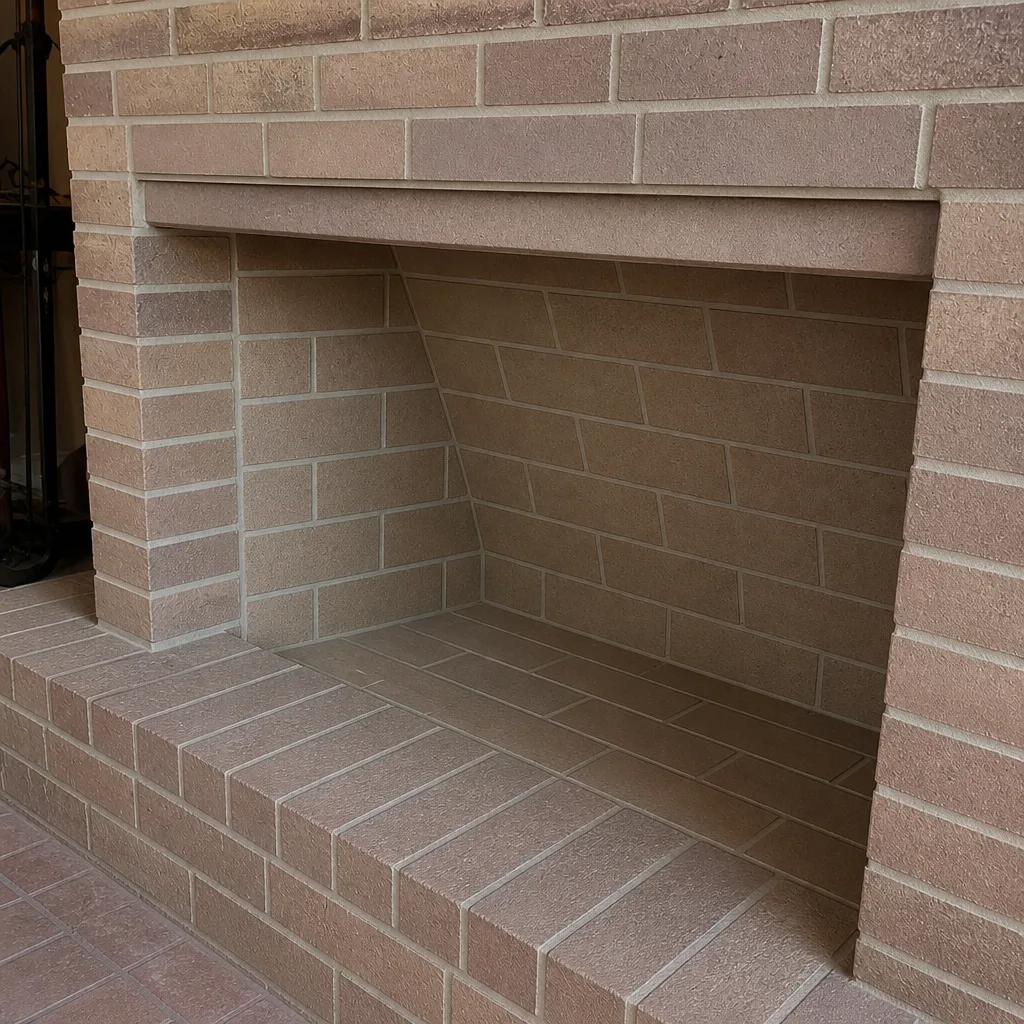
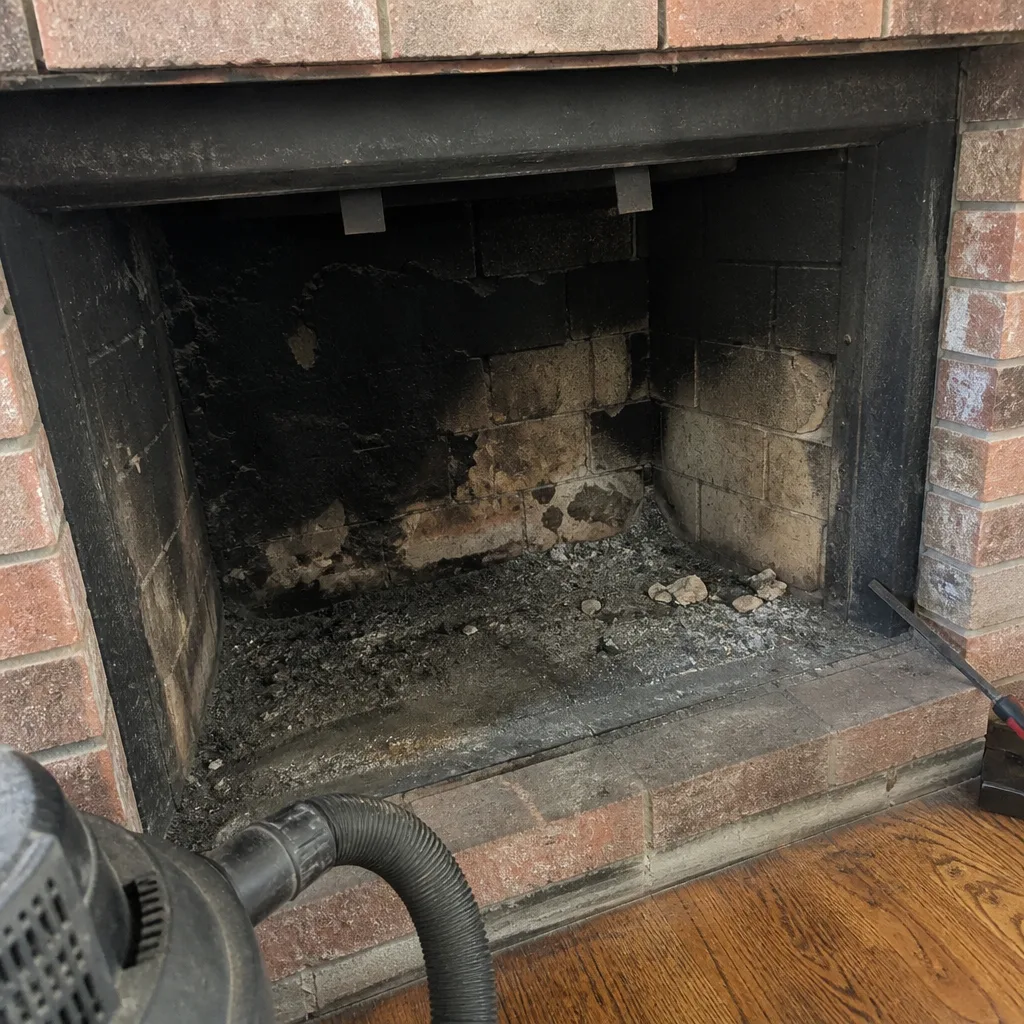
See the difference
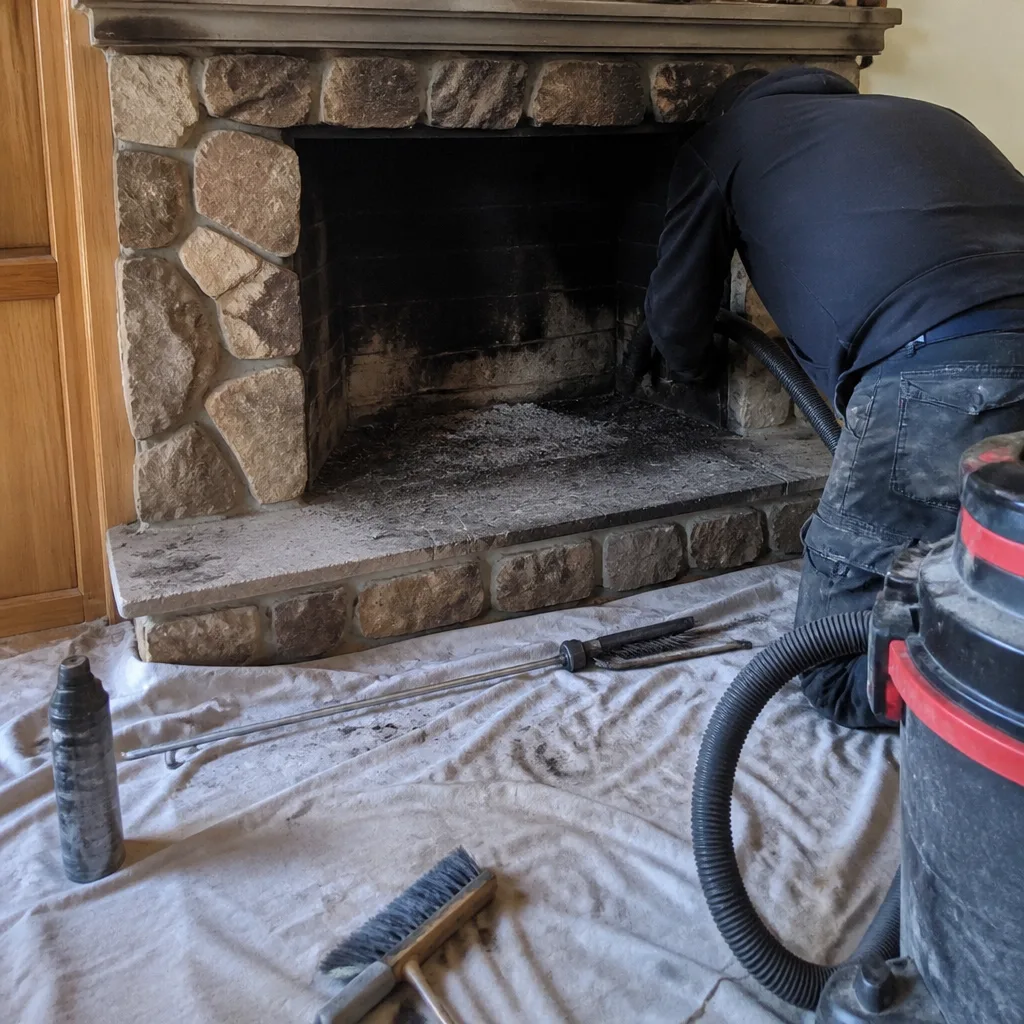 Before
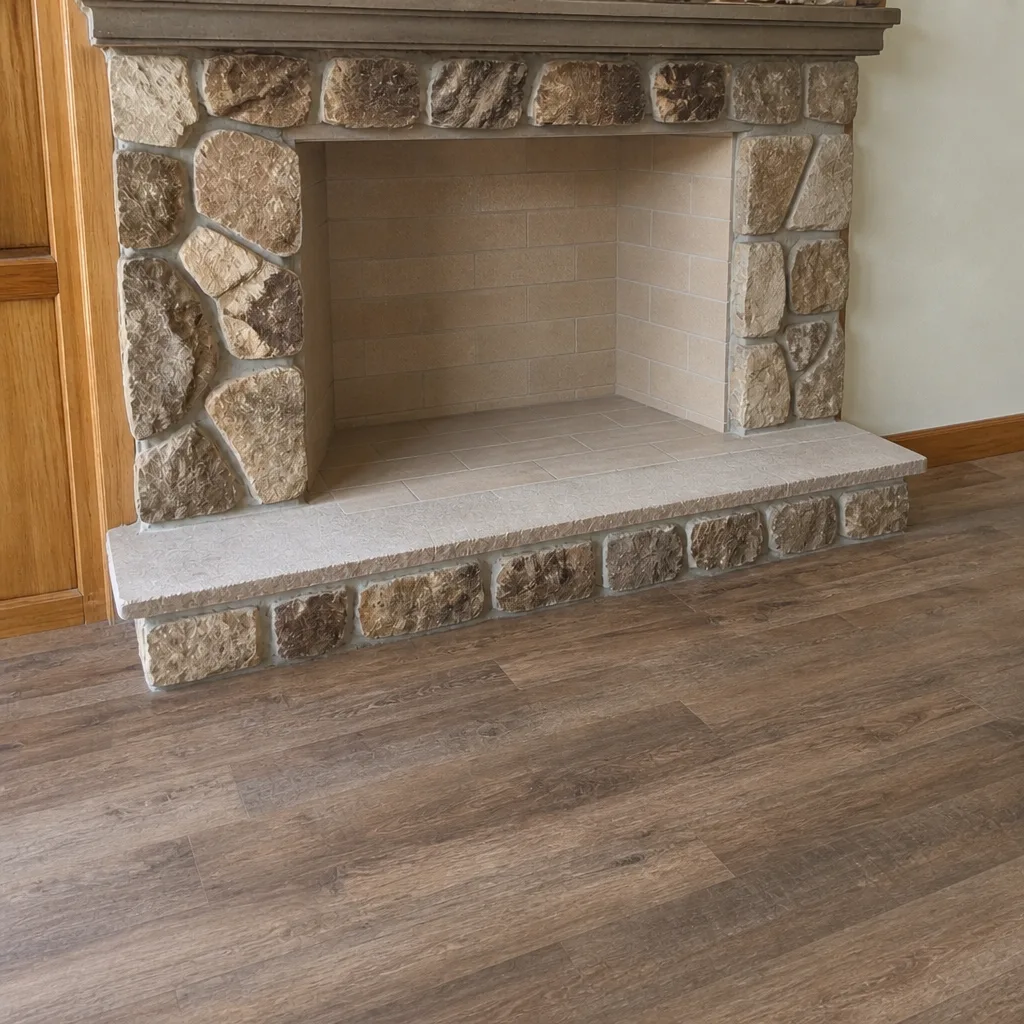 After
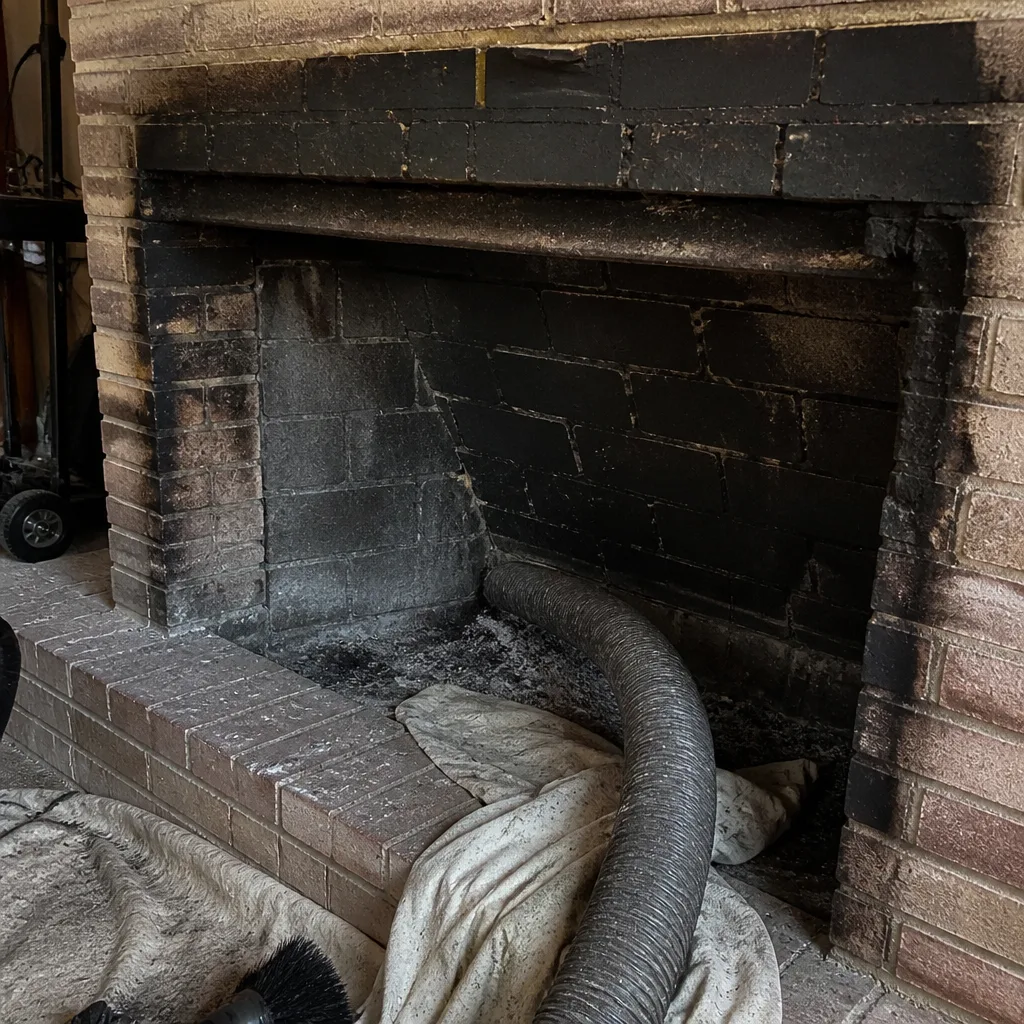 Before
 After
 Before
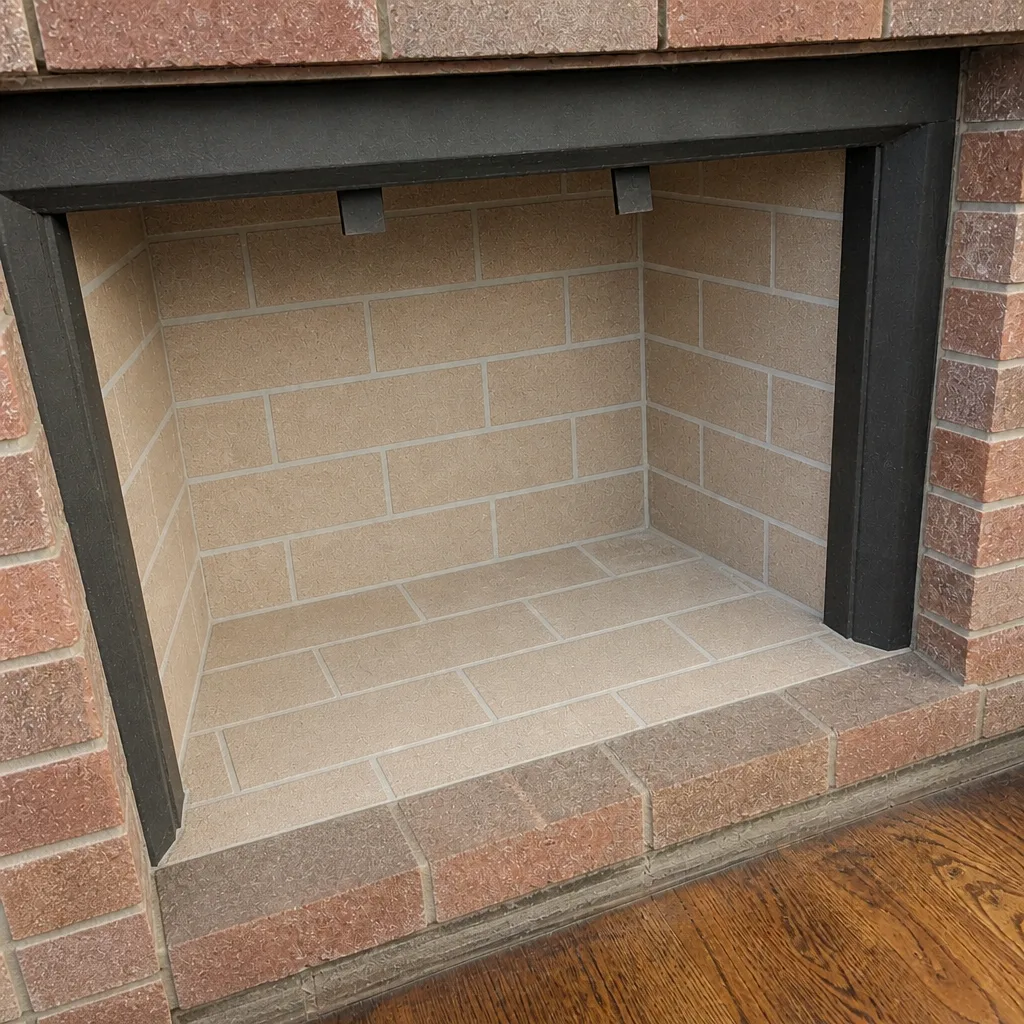 After
When to Call a Professional
Call a chimney professional when smoke comes back into the room with the damper fully open, when you can see spalling brick or a cracked crown from the ground, when a fire draws weakly even with a clean flue, or when you notice glossy creosote on the flue walls. Call before you seal a crack, before you book a sweep for an odor you haven’t diagnosed, and before you rely on the fireplace for another winter. Any of those situations is a signal that the symptom needs a diagnosis, and a camera inspection is what turns a guess into evidence. Chimney Sweep Enterprise offers free estimates in Enterprise. Call (855) 752-5896. We answer 24/7. Fast dispatch from 7am to 7pm, Sunday through Friday.
Frequently Asked Questions
Because a clean flue can still fail to draw. Smoke with a clean flue usually points to a draft problem: a flue that stays too cold to establish an upward pull, a house that’s too tightly sealed for the chimney to overcome, a chimney that ends too low relative to the roofline, or a damper that isn’t fully open. It can also point to a physical obstruction the eye can’t see, like a damaged flue tile or debris. The way to know which one it is, is a camera inspection that shows the flue from top to bottom. Call (855) 752-5896 for a free estimate. We answer 24/7. Fast dispatch from 7am to 7pm, Sunday through Friday.
Not always. It depends on what the crack is and how deep it runs. A worn but intact flue lining can often be resurfaced with HeatShield, which rebuilds the interior surface. A flue with an open gap, a missing section, or damage a resurfacing layer can’t bridge needs a new liner, and DuraFlex flexible liner systems are the tool for that. The difference between resurfacing and relining is a structural judgment, so it needs a proper inspection, not a guess. Call (855) 752-5896 for a free estimate and we’ll show you what’s going on.
Because the heat pulls volatile compounds out of creosote deposits and draws that smoky smell down the flue into the house. A musty or sour smell rather than a smoky one usually points to moisture getting into the flue or masonry instead. The two have very different fixes: creosote smell goes away with a proper sweep, moisture smell needs the source of the water found and sealed. A quick camera inspection and a look at the crown and cap tells you which you’re dealing with. Call (855) 752-5896 for a free estimate.
Because water is getting into the masonry and the rapid dry cycle in Enterprise is forcing it back out through the brick face. Spalling is a water-damage symptom, not a cosmetic one, and it gets worse every season it’s ignored. In this climate the most common causes are a cracked crown that no longer sheds water and a flashing detail that’s failed at the roofline. Both are fixable, and fixing them early is far less expensive than rebuilding the masonry. Call (855) 752-5896 for a free estimate. We answer 24/7. Fast dispatch from 7am to 7pm, Sunday through Friday.
Only if it’s a minor surface check on otherwise sound masonry. If the crack runs through a crown, a flue tile, or a structural section, sealant makes it worse: it hides the damage and traps moisture behind the seal. In a desert climate that trapped moisture has nowhere to go, which deepens the damage on the next dry cycle. The honest answer is to have the crack inspected before you seal it, and to apply the right material for the right job. Call (855) 752-5896 for a free estimate.
You need a Level 2 inspection when the symptom doesn’t have an obvious cause, when you’ve noticed a structural change like spalling or a cracked crown, after a chimney fire, or before any repair work that relies on knowing the real condition of the flue. Following NFPA 211 standards, a Level 2 inspection is a camera examination of the full flue, the accessible exterior, and the firebox: not a look from the hearth. It’s how you confirm a diagnosis and get evidence you can see for yourself. Call (855) 752-5896 for a free estimate.
The Bottom Line
The most useful skill in chimney troubleshooting is telling symptoms apart. Smoke coming back, odor in summer, visible creosote, spalling brick, and a weak draw each point to a different cause, and treating them as one problem is how homeowners end up paying for the wrong fix. In Enterprise, the high-desert heat cycles and monsoon moisture make crown damage and spalling especially common, which is why checking the masonry after storm season matters more here than in a wetter climate. Get the diagnosis confirmed with a camera inspection before you accept any repair, and stop burning the moment you see a red flag. Your chimney is a system, and it’s worth treating as one.
Chimney Sweep Enterprise handles the full loop under one specialist: cleaning, structural repair, and inspection, specified with professional-grade materials like DuraFlex and HeatShield and components from Gelco, Famco, Olympia Chimney, and Copperfield. Call (855) 752-5896 for a free estimate. We answer 24/7. Fast dispatch from 7am to 7pm, Sunday through Friday.
Written by the team at Chimney Sweep Enterprise.