
Last updated November 16, 2026
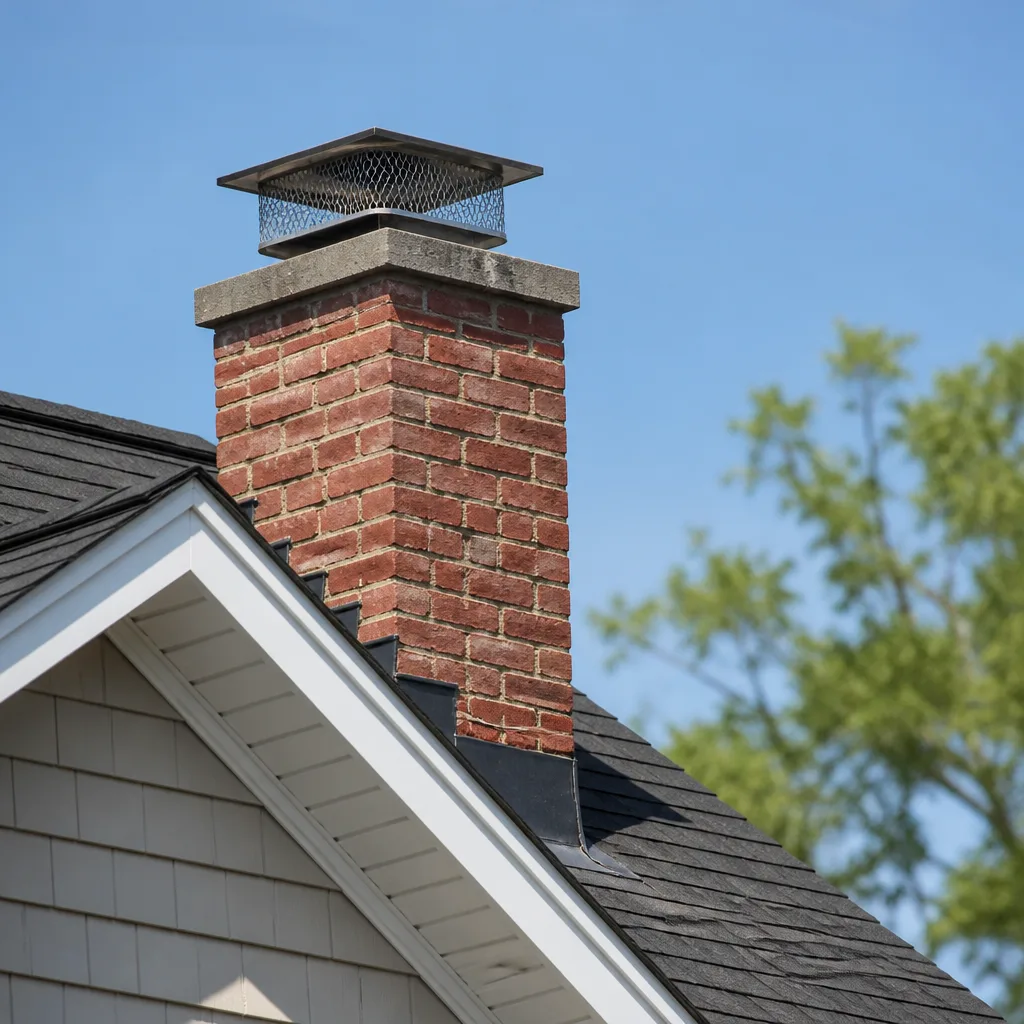 Sweep & inspection
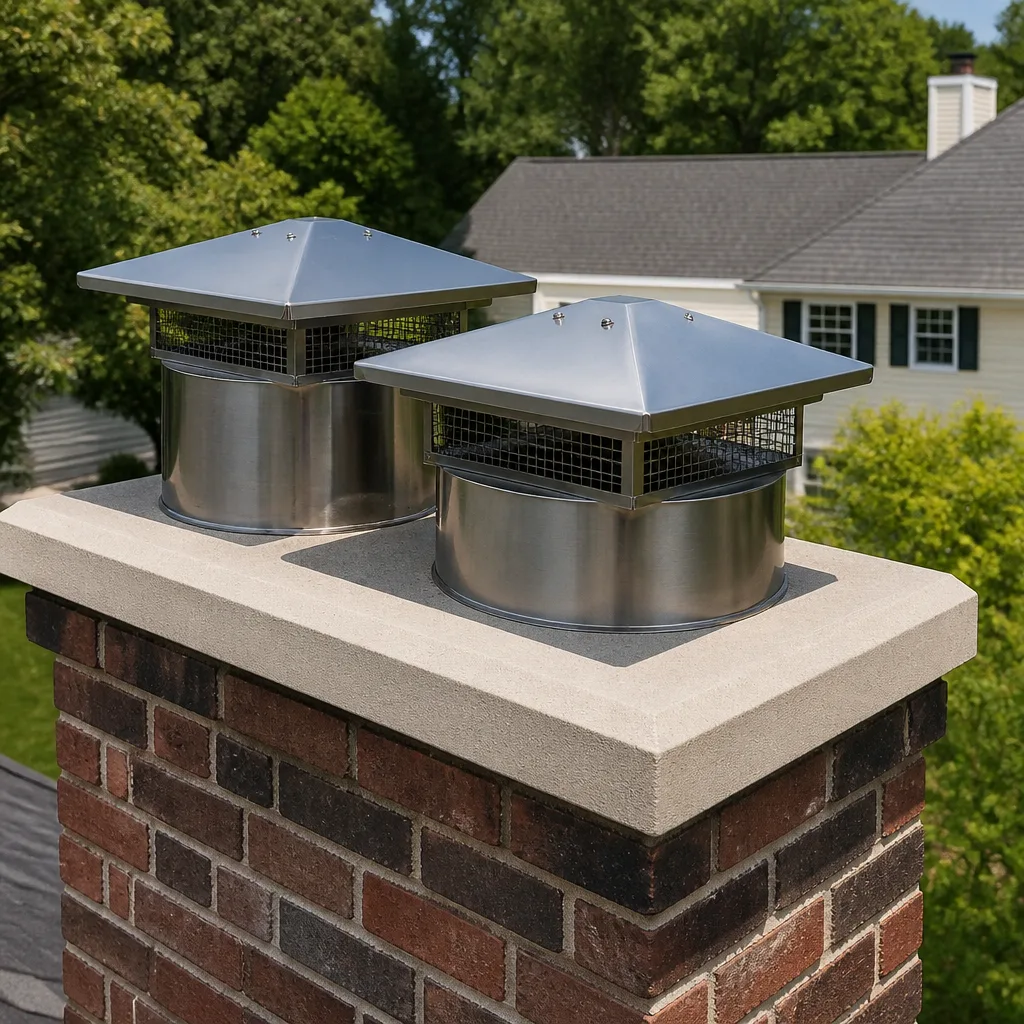 Caps & crowns
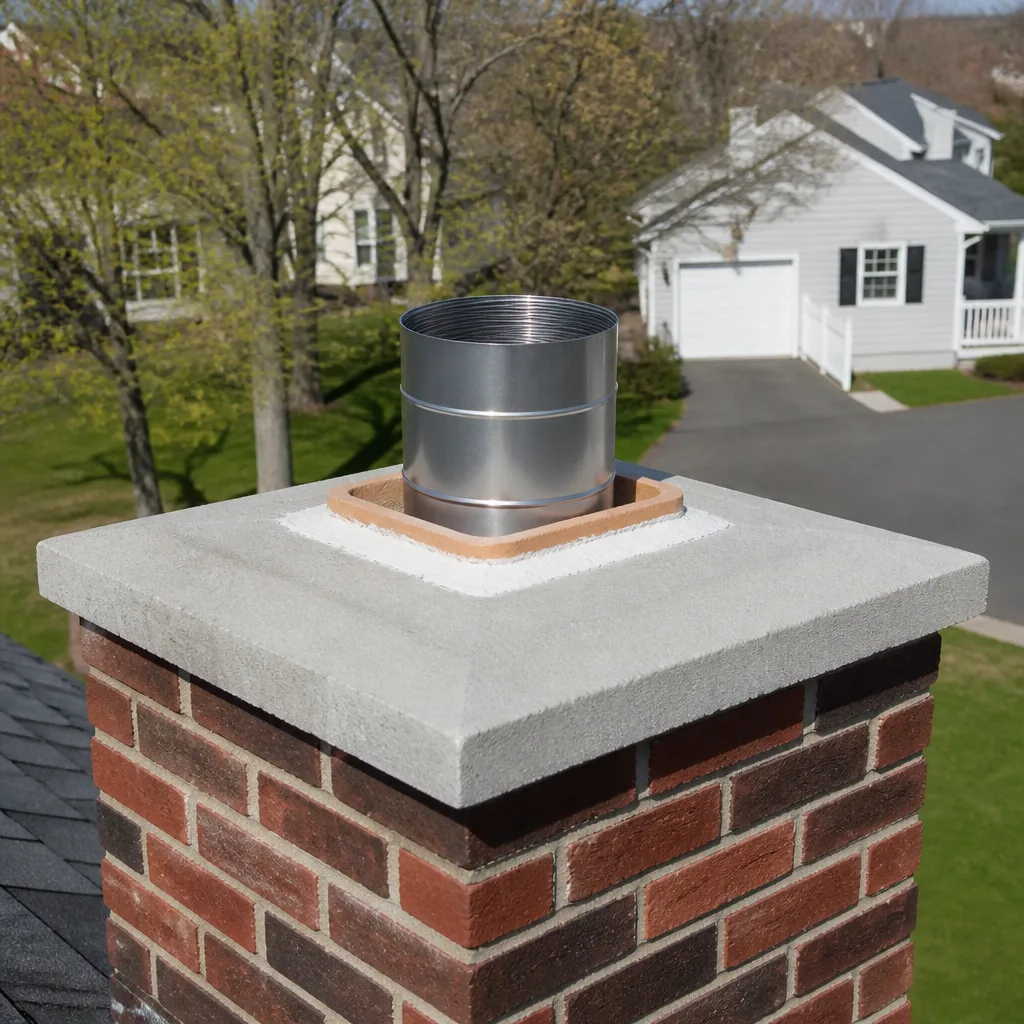 Flue relining
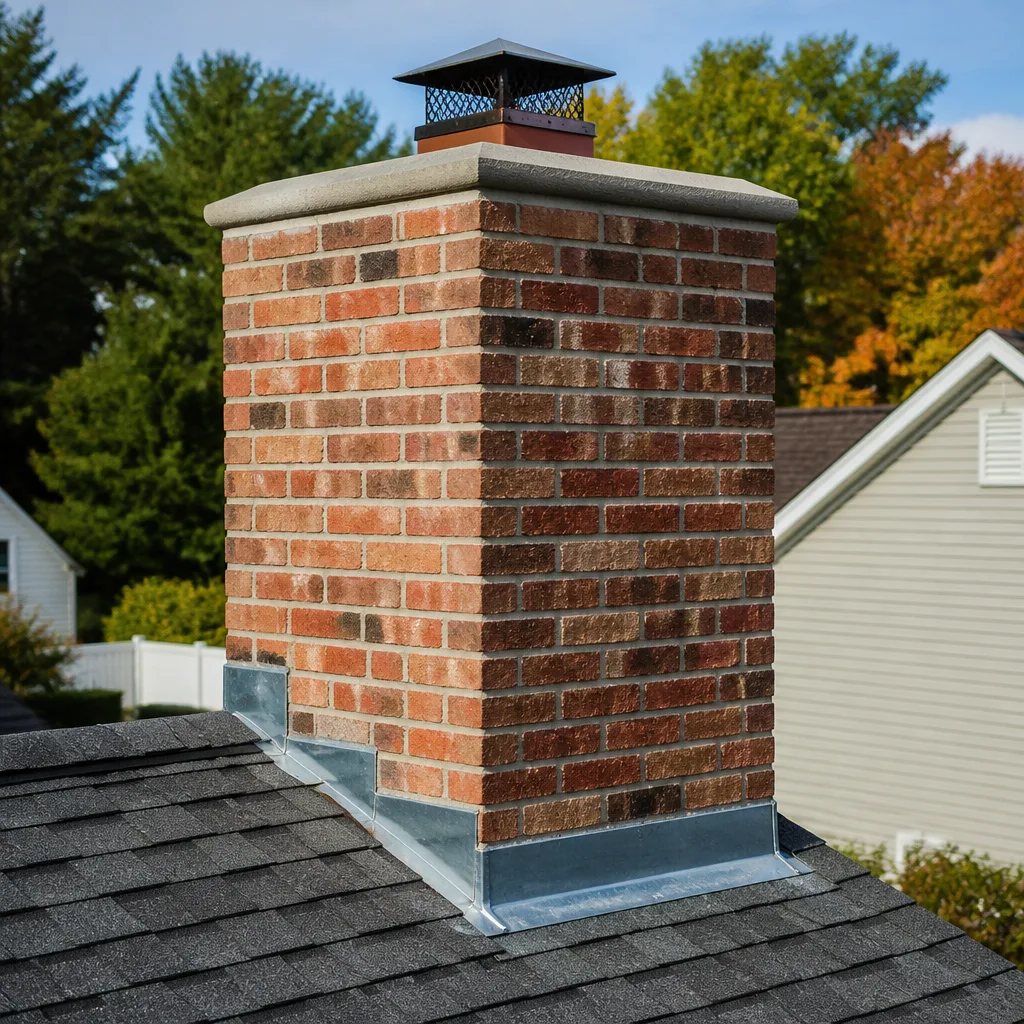 Masonry repair
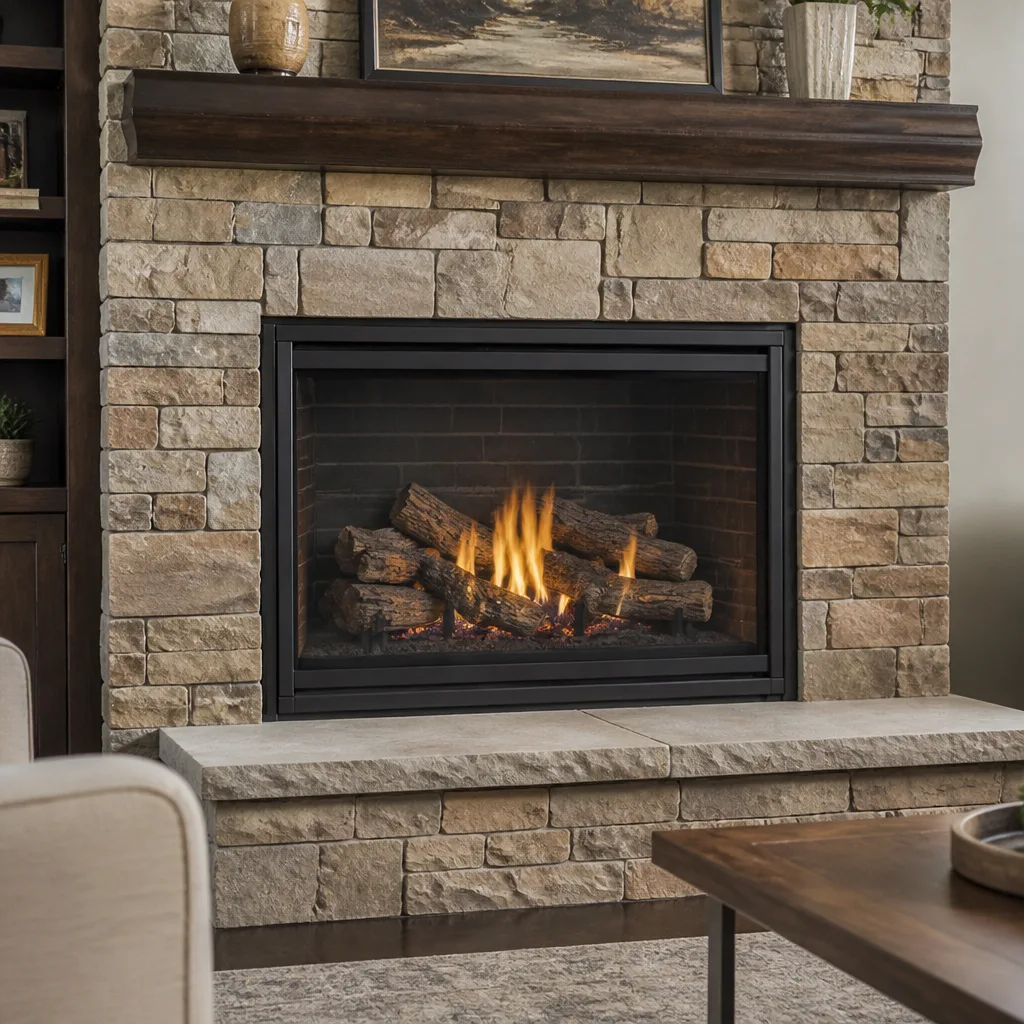 Gas fireplace service
Level 1 sweep and inspection to the NFPA 211 annual standard - flue, crown, cap, and flashing checked and photographed
Chimney sweep logs do not sweep chimneys. They loosen some creosote - which then falls where a brush and vacuum still have to collect it.
The Complete Guide to Chimney Cleaning in Enterprise
Most chimney guides are written for the Northeast. If you’re following that advice in Enterprise, NV, you’re solving the wrong problem. Desert heat cycles crack masonry differently, low humidity pulls moisture out of mortar joints year-round, and your burn season is compressed into a narrow winter window that spikes creosote risk per fire. This guide translates standard chimney advice into what actually applies to an Enterprise home: how the extreme summer stresses your flue before the first fire, which inspection level you need, and what real professional cleaning removes that a shop-vac and a rod kit never will.
Quick Answer
Chimney cleaning in Enterprise should happen once a year for a wood-burning fireplace or stove, ideally in late fall before your first burn, and it should include a professional inspection because desert temperature swings cause liner and mortar damage that a sweep alone won’t catch. A proper service means a rotary-brush sweep, a camera inspection, and a written report with photos. If you burn often or notice glazed creosote, you may need it sooner than annually.
Styles & brands we work with
- Sweep & inspection
- Caps & crowns
- Flue relining
- Masonry repair
- Gas fireplace service
Table of Contents
- Why Chimney Care in Enterprise Is Different
- The Compressed Burn Season and Creosote
- Level 1, Level 2, and Level 3 Inspections
- What a Professional Rotary Sweep Removes
- How Heat Cycles Crack Liners, and How HeatShield Helps
- Caps, Ventilation, and the Parts That Fail in the Desert
- How to Build a Chimney Schedule That Fits Enterprise
- What You Can Safely Check Yourself
Why Chimney Care in Enterprise Is Different
Enterprise sits in a high desert valley, and that single fact changes almost everything about how a chimney ages. National guides assume moderate humidity, a long heating season, and masonry that stays at a fairly stable moisture level. None of that describes your home. Here, low humidity draws moisture out of mortar joints constantly, and the joints shrink and crack in ways that wetter climates never produce. Then summer arrives and the outside of the chimney heats to a temperature that would cook a steak while the flue behind the masonry stays relatively cool, especially if the chimney sits in shade part of the day.
That temperature differential is the engine of most of the damage we see in Enterprise. The masonry expands in the afternoon heat and contracts overnight, day after day for months, and hairline cracks at the crown and in the mortar open wider each season. By the time you light your first fire in the fall, those cracks have become pathways for water, smoke, and, worst case, carbon monoxide.
Add to that the monsoon season. A summer storm can dump a month’s worth of rain in an hour, and the crown and flashing take the full force of it. That water finds every crack the summer heat opened. Then the dry air returns and pulls the moisture back out, and the cycle repeats.
- Mortar joints dry out and crack from year-round low humidity.
- Summer heat drives thermal expansion across the masonry and flue.
- Monsoon downpours push water into cracks the heat opened.
- The first cold snap contracts everything at once, often revealing damage that was building all summer.
In our experience, an Enterprise chimney that has never been inspected is more likely than not to have a crown crack or an open mortar joint somewhere. That’s not alarmism; it’s what the climate does.
The Compressed Burn Season and Creosote
Most of the country runs a fireplace from October into April, with long stretches of light, cool-weather burns. Enterprise runs a much shorter, sharper season. Your real burn window is roughly three to four months, and during that window you probably burn more often and more intensely than someone in a milder climate burns over six months. That concentration matters, because creosote builds per fire, not per calendar year.
Creosote is the tar-like residue left when wood smoke cools before it leaves the flue. The amount depends on the wood, how hot the fire burns, and how much the smoke condenses on the flue walls. When you burn hard in a short season, you’re stacking more fires into fewer weeks, and each one deposits a layer. An occasional user spreads the same number of fires across a whole year and may never accumulate enough creosote to be a concern. A regular Enterprise homeowner burning several nights a week from November through February can reach a meaningful buildup in one season.
Glazed creosote is the dangerous stage. It forms when fresh deposits are repeatedly heated by hot flues, baking the residue into a hard, shiny layer that ordinary brushing struggles to remove. Glazed creosote is the fuel for chimney fires. Because your season is short and intense, you can reach that stage faster than the “once a year” advice suggests.
Practical implications for Enterprise homes:
- Sweep before the first fire of the season, not after. You want a clean flue before the concentrated burn window begins.
- If you burn more than a few nights a week, plan on an annual sweep without exception, and ask about a mid-season look if you notice heavy soot.
- Burn dry, seasoned wood. Wet wood produces more smoke and more creosote. If you buy wood in Enterprise, ask how long it’s been split and stacked.
- Watch for the signs of glazed creosote, which a technician should identify during an inspection. If found, it needs proper removal, not just a light brush.
Our technicians have up to experience with exactly this pattern, and the compressed season is the single biggest reason a local schedule differs from generic advice. A chimney sweep is the first line of defense.
Level 1, Level 2, and Level 3 Inspections
Not every inspection is the same, and knowing the levels tells you what you’re paying for. The industry standard recognizes three levels, and each applies to a different situation. In an Enterprise home, the choice usually comes down to what changed since the last inspection and what you’re about to do.
Level 1: The Baseline Inspection
A Level 1 inspection covers the readily accessible parts of the chimney and venting that are visible without special tools or access. It’s the check that should accompany a routine sweep. If your chimney is in known good condition, nothing has changed, and you just want an annual sweep and a look, Level 1 is typically the right starting point. During a Level 1 inspection, the technician checks for soot and creosote buildup, blockage, obvious damage, and the condition of accessible components.
Level 2: When Something Changed
A Level 2 inspection goes further. It involves access to the chimney components that a Level 1 leaves closed off, and it typically uses video camera scanning of the flue interior. This is the level you need when you’ve had a change: buying or selling the home, a change in fuel type or appliance, an event like a chimney fire, earthquake, or a severe storm, or any indication that something may be wrong. In Enterprise, the summer heat-and-monsoon cycle is a real reason to move up to Level 2. If your chimney took a significant storm event, or if it’s been years since anyone looked, the camera view is where hidden liner damage shows up. A camera inspection with a photo report is exactly what you want here, because you can see the finding for yourself.
Level 3: The Detailed Investigation
A Level 3 inspection happens when a Level 1 or Level 2 investigation uncovers a problem that can’t be properly evaluated without opening up parts of the structure. It’s a targeted, deeper look, often involving removal of components or access through walls to reach the area in question. This isn’t routine and shouldn’t be the default. It becomes appropriate when there’s a specific, identified concern that requires reaching hidden parts of the system.
- Level 1: routine sweep, no changes, visible components only.
- Level 2: after a change, a storm, a fire, a sale, or when a camera look is warranted.
- Level 3: investigating a known problem that needs structural access.
If a company recommends a major repair, you should be able to see the evidence behind it. Nothing should be recommended without camera evidence you can review, and sometimes the honest answer is that work can safely wait.
What a Professional Rotary Sweep Removes
People often ask why they can’t just run a brush on a rod or vacuum the firebox themselves. The difference is real and worth understanding. A rotary sweep uses a powered, spinning brush head that contacts the flue walls with consistent pressure all the way to the top. A hand-pushed rod brush and a shop vacuum can knock down loose soot, but they don’t generate the mechanical action that breaks glazed deposits free from the flue surface.
Here’s what a proper professional sweep accomplishes:
- Containment. A proper sweep sets up to keep soot from drifting through the room. That means more than a drop cloth over the hearth.
- Rotary agitation of the flue. The spinning brush scrubs the interior walls along the full run, loosening deposits a rod brush glides over.
- Removal of glazed creosote where it has formed, which requires the right tooling and, sometimes, chemical treatment before brushing.
- Cleaning of the smoke chamber and damper area, which many homeowners never think about but where a lot of residue collects.
- A vacuum-and-HEPA capture system that keeps the dust out of your home while the brush is working.
- A clear look at the flue afterward, so any damage the soot was hiding becomes visible.
The rotary brush itself isn’t magic; it’s the consistency and the tooling that matter. A brush sized and turned correctly for your flue diameter does what a smaller one can’t, and a technician who reads the flue as they go catches problems a homeowner would never see. That’s why the sweep and the inspection belong together, not as separate errands. When you book a chimney sweep, you’re also booking the set of trained eyes that spots the crack before it becomes a bigger fix.
How Heat Cycles Crack Liners, and How HeatShield Helps
The liner is the interior surface the flue gases travel against, and in a desert climate it takes a beating before the first fire is ever lit. Summer heat drives the masonry and clay tile to expand during the day and contract at night, and this repeated cycle eventually produces cracks in the liner and the mortar joints around it. Clay tile liners, which are common in older homes, are particularly vulnerable because they’re rigid. They don’t flex; they crack.
A cracked liner is serious. Once the flue wall is breached, smoke and combustion gases can escape into the structure, and heat can reach adjacent framing. That’s why a Level 2 camera inspection matters in Enterprise; the crack may be invisible from the firebox and only show up on camera. When a cracked liner is found, the repair path depends on the extent of the damage and the material.
One of the tools we use for the right kind of repair is the HeatShield system for chimney resurfacing. It’s designed to address cracks and restore the flue surface without a full relining, extending the flue’s service life rather than masking the damage with a cosmetic patch. When the damage is broad enough that resurfacing won’t do, a flexible stainless liner from DuraFlex might be the appropriate system. Both are specified by chimney professionals for longevity, not as the cheapest available option.
There’s a safety line here we don’t cross. A cracked liner, a damaged crown, or gas appliance venting problems are not do-it-yourself territory. Liner and flue work involves combustion gases, carbon monoxide risk, and structural considerations, and it needs a trained professional with the right tooling and the right materials. Getting a diagnosis from a specialist is the safe move. If you want to understand how that repair side works, you can read more about the chimney repair process.
Caps, Ventilation, and the Parts That Fail in the Desert
The chimney cap is the small piece of metal at the top of the chimney, and in Enterprise it earns its keep. It keeps out rain, nesting birds and animals, and the dust that desert wind blows around in spring. A cap that’s cracked, rusted, or missing turns the whole chimney into an open door for moisture and critters, and the damage downstream is far more expensive than a cap.
When it’s time to replace hardware, the parts matter. We specify Gelco chimney caps because they’re built for the job, not repurposed from generic stock. The right cap is fitted to the flue opening, with the right mesh for the job, and it’s attached so it stays put through a windstorm.
The other underappreciated component is ventilation. Famco ventilation components matter when the chimney system needs airflow balanced or the termination isn’t venting correctly. It’s not glamorous work, but a chimney with the wrong venting performance can produce drafts, smoke in the room, or inefficient burning. And specialty parts need to be the right parts; sourcing from Olympia Chimney and Copperfield gives the trade-quality tier rather than something pulled off a big-box shelf.
Our tooling and product inventory are chimney-specific. That’s a narrow focus by design: we’re a chimney specialist, not a general handyman shop, and that specialization is why we can name the components we install and stand behind them.
How to Build a Chimney Schedule That Fits Enterprise
Generic advice says “sweep annually,” and that’s a good floor, but a schedule that actually fits an Enterprise home needs to account for the climate and your burn pattern. Here’s a practical approach.
- Start before the season. Book your sweep and inspection in late fall, before the first fire. You want the flue clean and inspected when the concentrated burn window opens, not months into it.
- Get an annual inspection with your sweep. The sweep cleans; the inspection catches what the cleaning revealed. Keep the written report with your home records.
- Book a Level 2 camera inspection whenever something changes. After a significant monsoon storm, after a chimney fire, when you buy a home in Enterprise, or when it’s simply been years, the camera is worth it.
- Track how much you actually burn. If you burn several nights a week through the winter, plan on a yearly sweep and don’t skip it. If you burn lightly and occasionally, still inspect annually and ask the technician whether a sweep is due.
- Check the cap before you stock the wood. A visual check from the ground for a missing or damaged cap is cheap insurance, and it’s the kind of thing you want to deal with before you’ve got a full load of firewood in the garage.
- Always run a carbon monoxide alarm on every level of the home. This isn’t a chimney-specific rule, but a chimney is one more reason the alarms belong.
The order matters. Sweep then inspect means the technician sees the flue on a clean surface, so a crack or a thin spot isn’t hiding under residue. And because we handle sweep, repair, and inspection under one roof, the findings don’t get handed to someone else while the house gets cold. The full service loop stays with one specialist, which is the whole point of treating a chimney as a system rather than as a series of unrelated errands. For homeowners in Enterprise, that means the same set of hands from the first brush to the final repair.
What You Can Safely Check Yourself
There’s a safe division of labor here. A few things are fine to check yourself; the inside of the flue and the liner are not among them. Knowing the difference keeps you honest and avoids the two failure modes we see: ignoring a problem, or making it worse.
Safe to check from the ground:
- Whether the chimney cap is present, intact, and sitting level.
- Whether the crown has an obvious visible crack or crumbling mortar at the top.
- Whether there’s a visible stain on the masonry or the interior ceiling, which can suggest water intrusion.
- Whether the damper opens and closes smoothly.
Leave to a professional:
- Anything that requires getting on the roof. Height work is a real fall hazard, and it’s the kind of work that calls for the right ladder, the right setup, and training.
- The inside of the flue and the liner. A camera inspection is how these are evaluated correctly.
- Creosote issues and any glazed deposits, which need the right tooling and the right technique.
- Any repair to the liner, crown, or venting. These carry carbon monoxide and fire risk; don’t open up the system yourself.
If you’re ever unsure whether a visible issue is serious, that’s exactly the question for a specialist. A short conversation and a proper look are far cheaper than letting a crack get a full summer’s worth of heat.
Common Mistakes to Avoid
- Following Northeast advice in the high desert. If you wait for a long, wet heating season to guide your schedule, you’ll miss the compressed Enterprise burn window and the summer damage that precedes it. Build the schedule around the desert cycle instead.
- Sweeping after the season instead of before. Cleaning up in March leaves the flue loaded with creosote through the hottest months and then leaves you with nothing but a dirty flue for the next fire. Sweep before the first burn.
- Skipping the inspection because the sweep looked fine. A clean flue is not the same as a sound one. Cracks from thermal cycling live behind the residue, and a sweep alone won’t show you a cracked liner.
- Treating a cap as an optional accessory. In Enterprise the cap keeps out summer rain, spring dust, and nesting animals. A missing cap is one of the easiest ways to invite water damage, and one of the cheapest things to put right.
- Buying the cheapest available liner or cap. The material matters, and the differences don’t show up until a few seasons of desert heat and cold. That’s why we specify brands like DuraFlex and Gelco rather than anonymous substitutes.
- Ignoring carbon monoxide alarms. A chimney problem you can’t see is exactly what the alarm is for. Test the alarms and keep them working on every level.
- Hiring a general handyman for a chimney repair. Chimney systems have their own codes, materials, and inspection levels. A chimney specialist exists for a reason; this is the one system in the house that punishes guesswork.
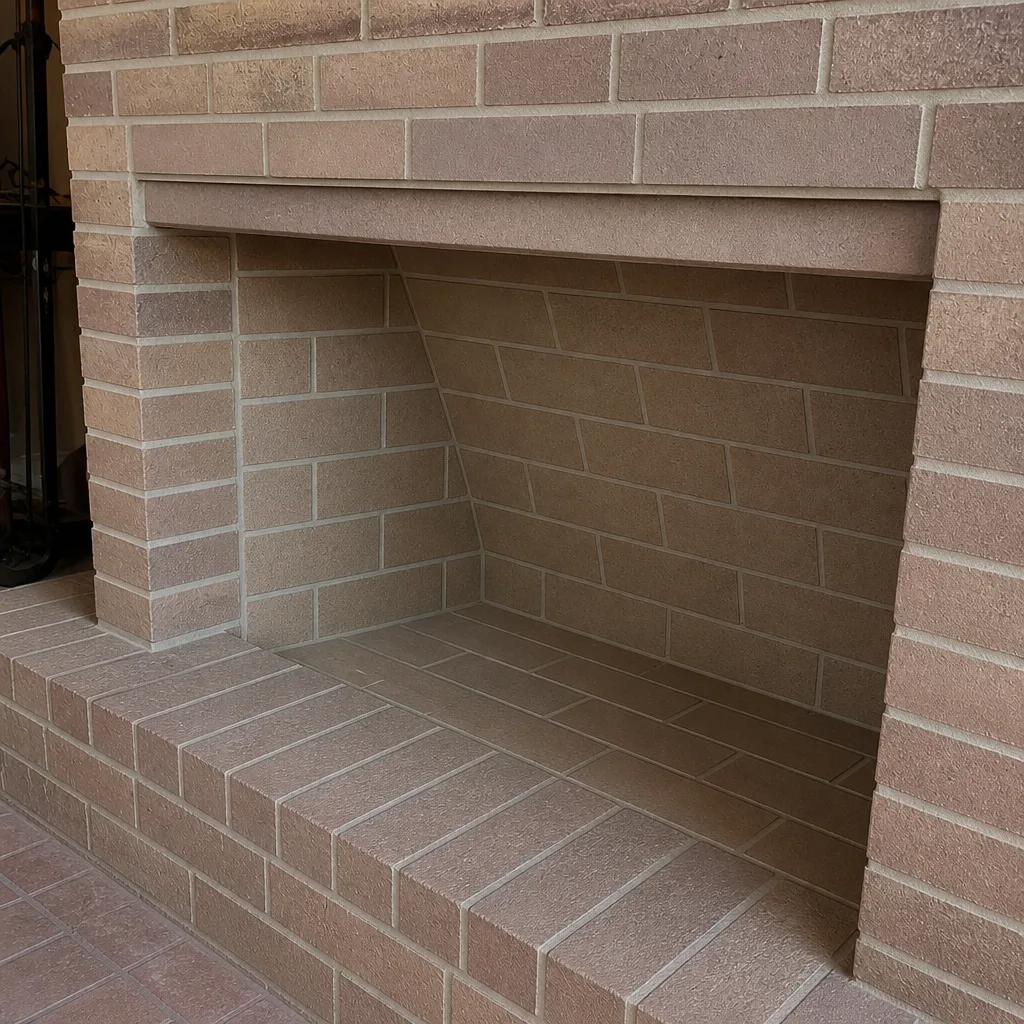
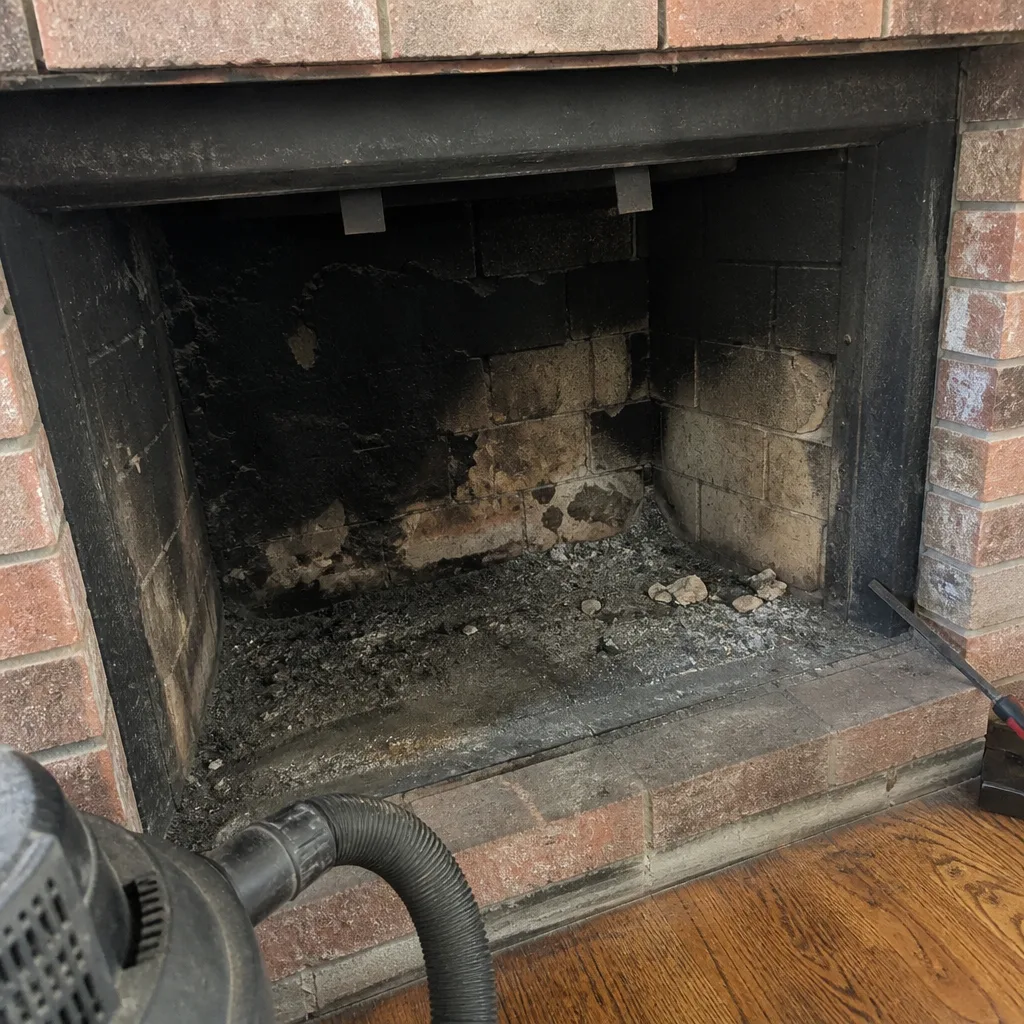
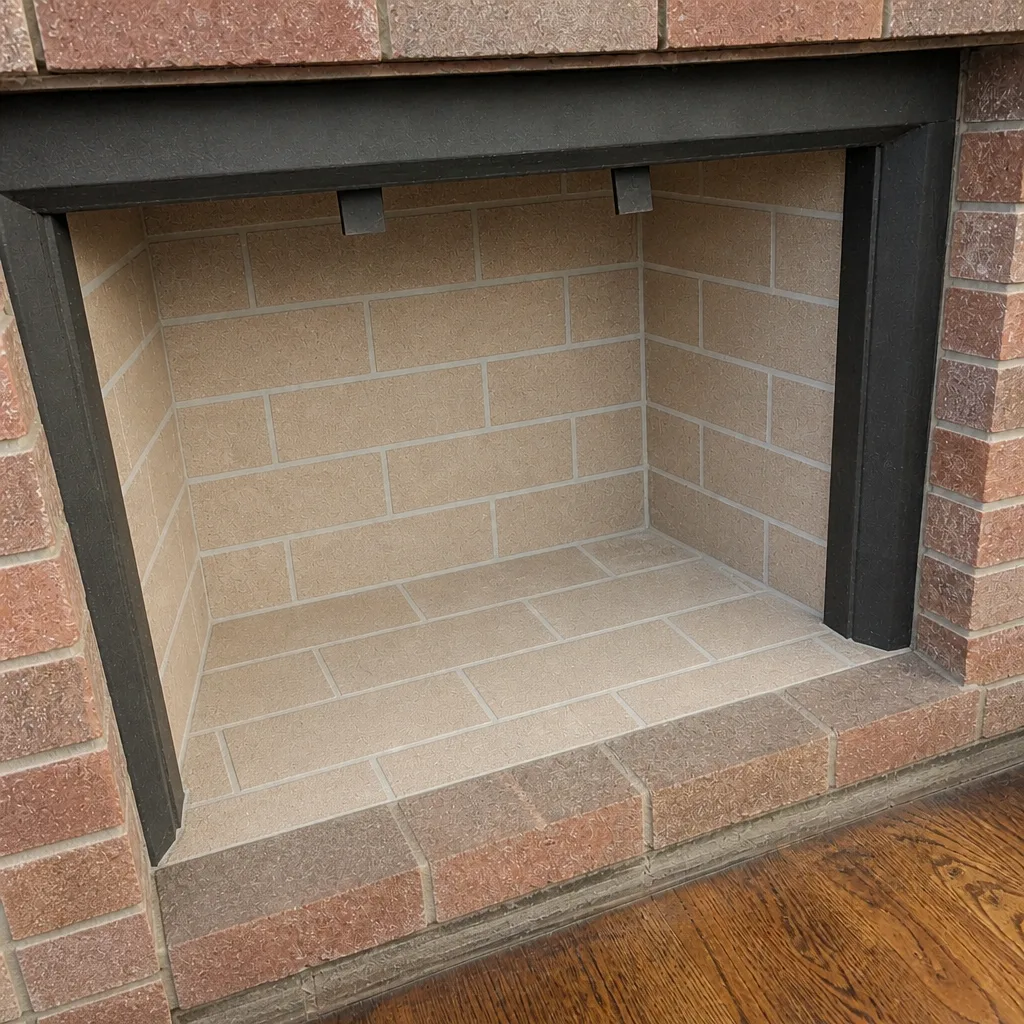
See the difference
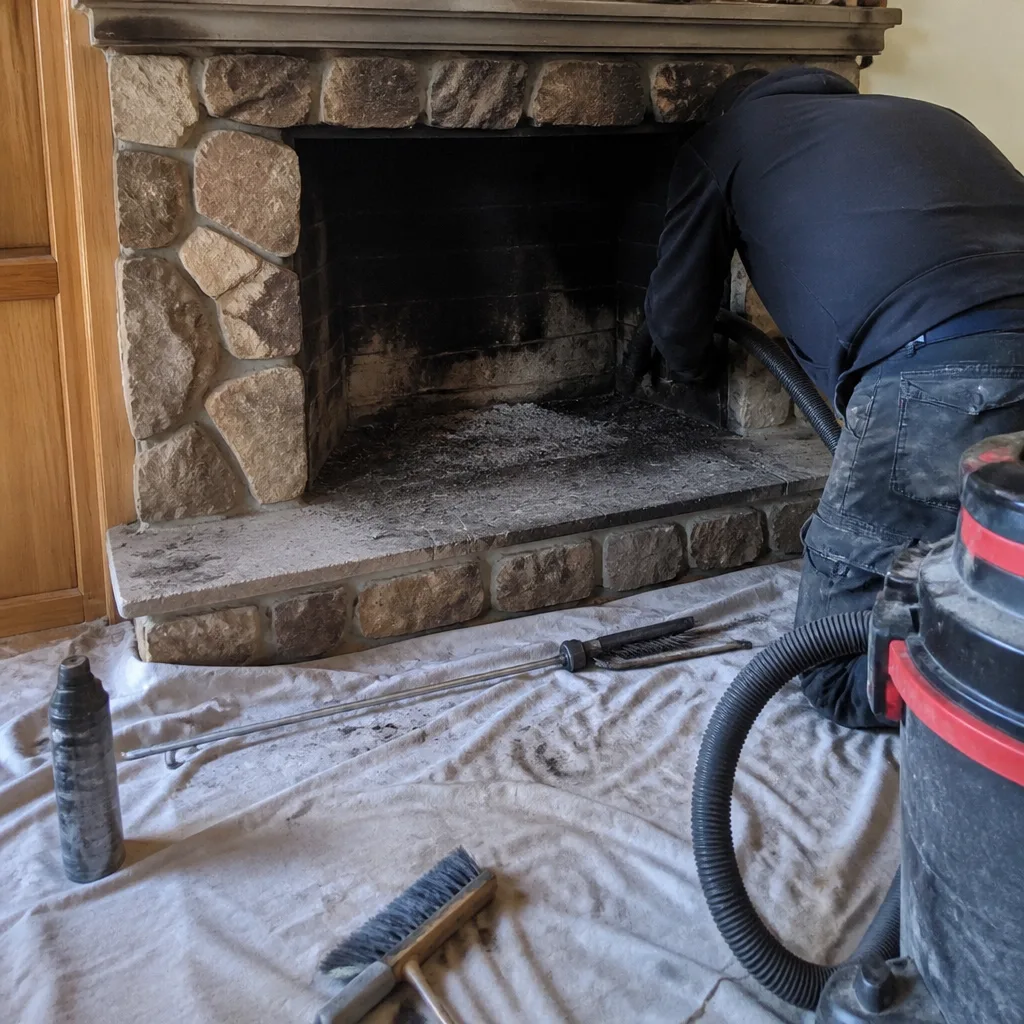 Before
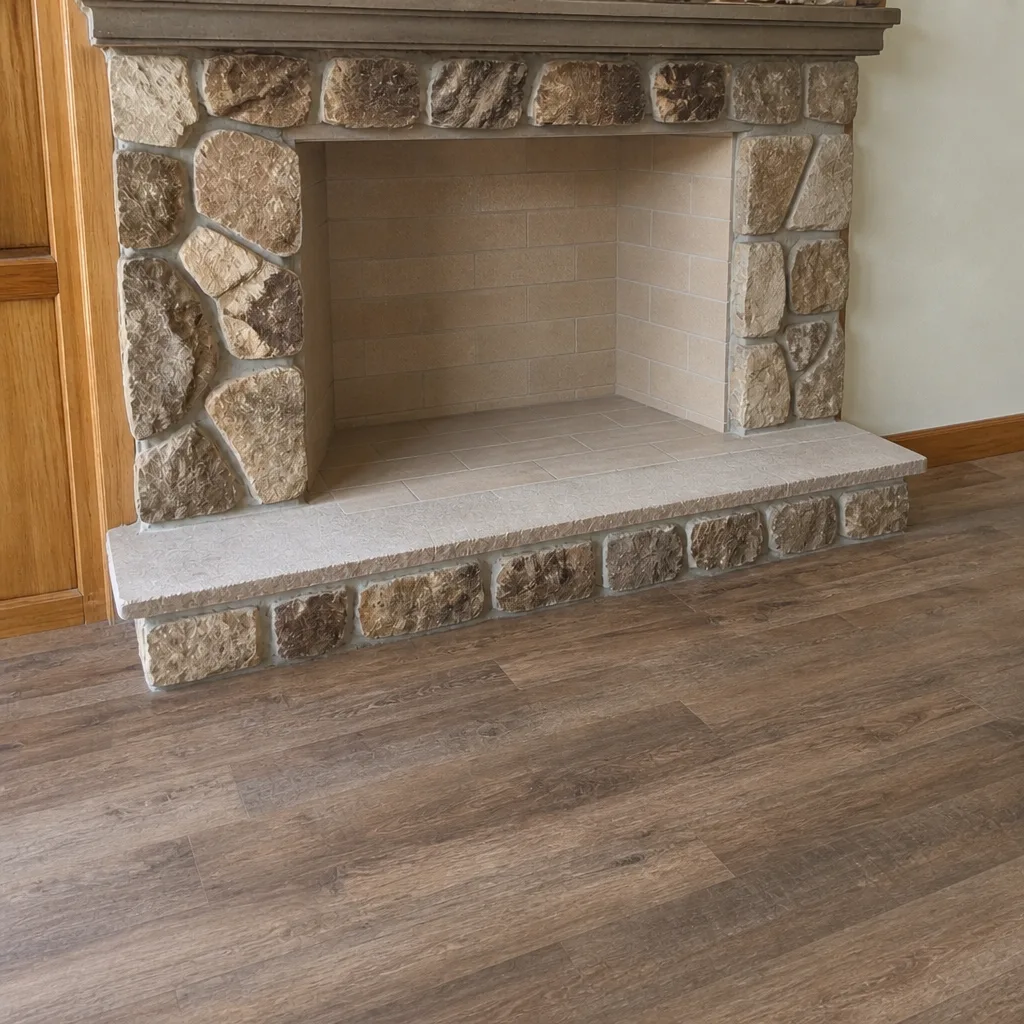 After
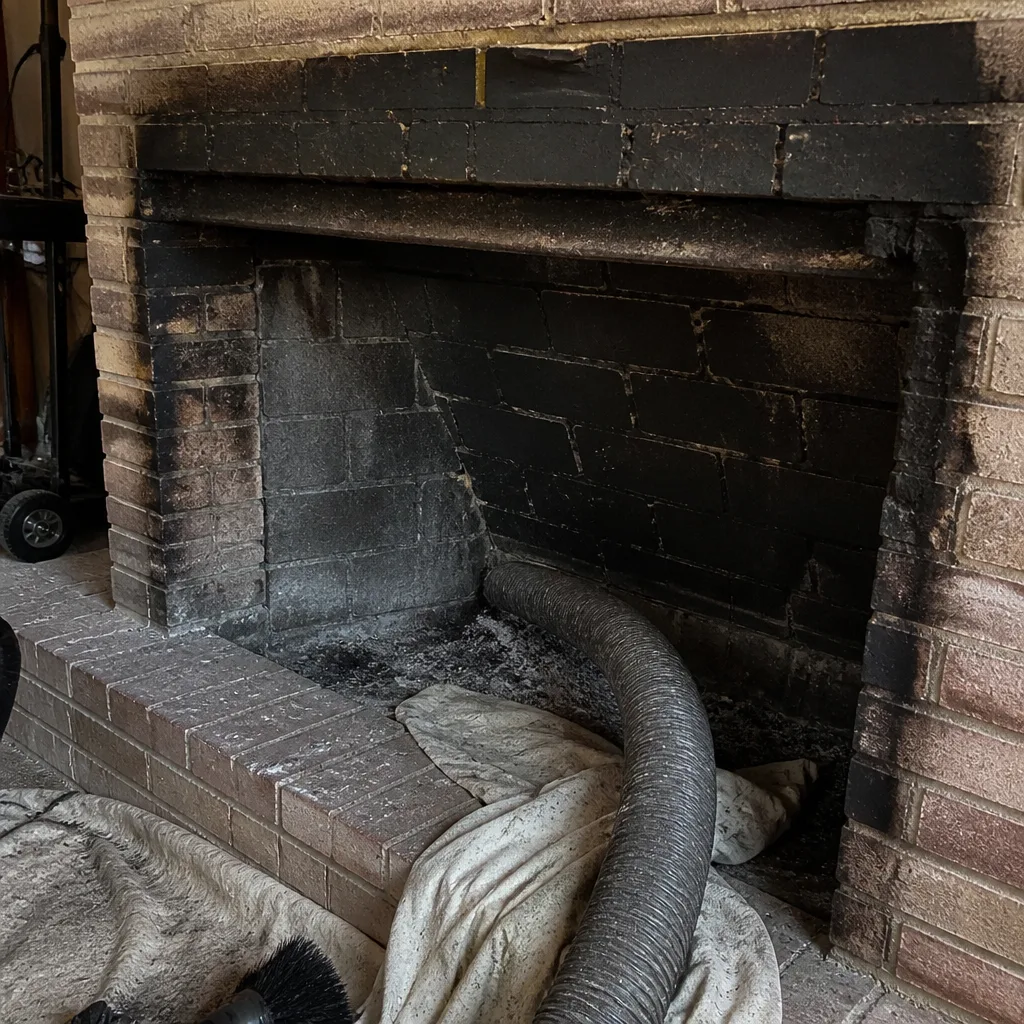 Before
 After
 Before
 After
When to Call a Professional
Some situations call for a professional without delay. If you smell smoke in the room when the fireplace isn’t burning, see staining on the ceiling or masonry, notice damaged or missing liner visible with a camera, or have had a chimney fire, that’s a call. If you’ve just bought a home in Enterprise and don’t know when the chimney was last inspected, book a Level 2 inspection. If it’s been more than a year since your last sweep and you burn often, book a sweep before the season. And if a previous company recommended thousands of dollars in work that you couldn’t verify, a second look with a camera and a photo report is worthwhile. Chimney Sweep Enterprise offers free estimates in Enterprise, with a flat-price sweep agreed before booking and camera evidence included. Call (855) 752-5896 to schedule.
Frequently Asked Questions
A standard chimney sweep in Enterprise is a flat-price service, with the exact cost set by a written estimate before we book, so you know the number up front rather than after the brush is out. The final price depends on the job, which is why we give a written estimate rather than a phone number quote. Call (855) 752-5896 for an exact quote; estimates are free.
Once a year for most wood-burning fireplaces and stoves, ideally before the first fire of the season, and more often if you burn several nights a week. The compressed desert burn season packs more fires into a short window, so annual is a floor, not a ceiling. Call (855) 752-5896 to book your sweep and ask what interval fits your burn pattern.
Creosote keeps building on the flue walls, and at the glazed stage it becomes the fuel for a chimney fire. There’s also the quieter risk: a cracked liner or failed joint goes unnoticed, and combustion gases have a path into the home. It’s not a scare story, it’s a real hazard with a known fix. Call (855) 752-5896 for a sweep and inspection before the season.
Not always. A cracked or damaged liner may be repairable with a resurfacing system like HeatShield, or it may need a flexible stainless liner from DuraFlex, depending on the extent and location of the damage. The only honest way to know is to see the evidence from a camera inspection. Ask for the photo report, and if the answer seems large, get a second look. Call (855) 752-5896 to schedule an inspection.
A sweep cleans the flue; an inspection evaluates its condition, and they’re different jobs that belong together. The sweep removes the soot and creosote so the inspection can actually see the liner and the joints. Many homeowners book both in one visit. Call (855) 752-5896 to plan your service.
Yes. We work on wood-burning fireplaces, gas fireplaces, and wood stoves, and the inspection level and cleaning approach adjust to the appliance. Gas and wood are different systems with different risks, so the first step is always an assessment. Call (855) 752-5896 and tell us what you have.
The Bottom Line
The features that make an Enterprise chimney different are the ones most guides never mention: low humidity that cracks mortar, summer heat that stresses the flue before the first fire, monsoon storms that find every crack, and a short, intense burn season that stacks creosote fast. Sweep before the season, inspect every year, and move to a Level 2 camera check whenever something changes or you simply can’t remember the last look. When a repair is needed, the material and the brand matter, whether it’s HeatShield for resurfacing or a DuraFlex liner system. And when a company recommends major work, you should see the evidence. Sweep. Repair. Inspect. All from one specialist. To book with Chimney Sweep Enterprise, call (855) 752-5896. We answer 24/7. Fast dispatch from 7am to 7pm, Sunday through Friday.
Written by the team at Chimney Sweep Enterprise.