
Last updated November 16, 2026
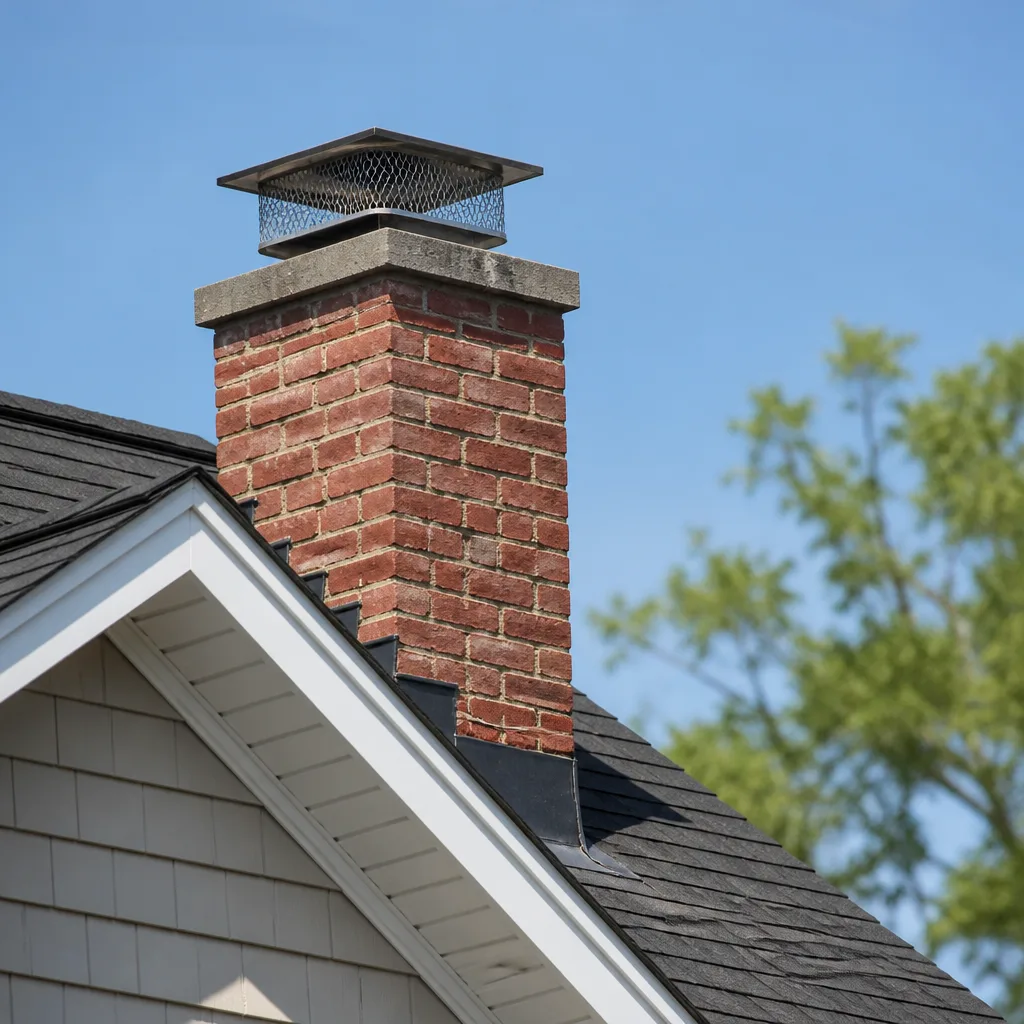 Sweep & inspection
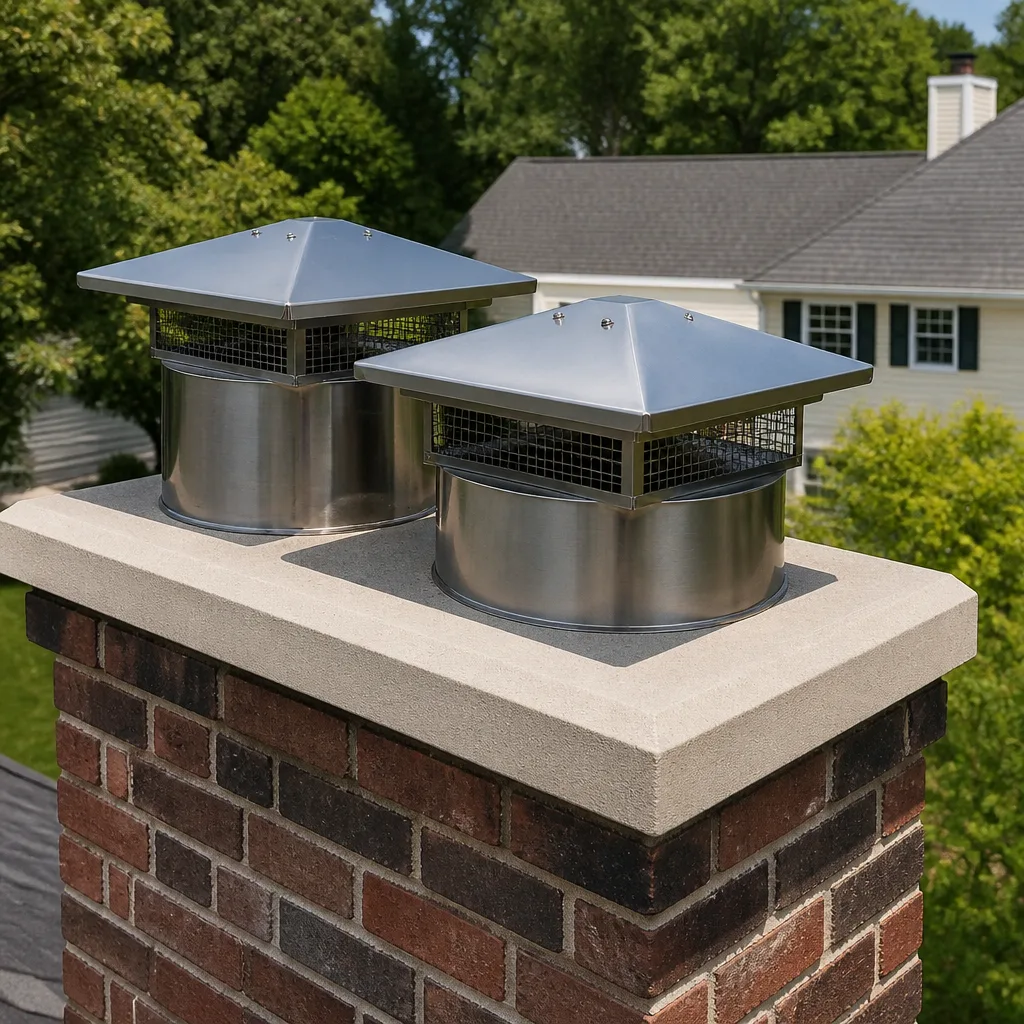 Caps & crowns
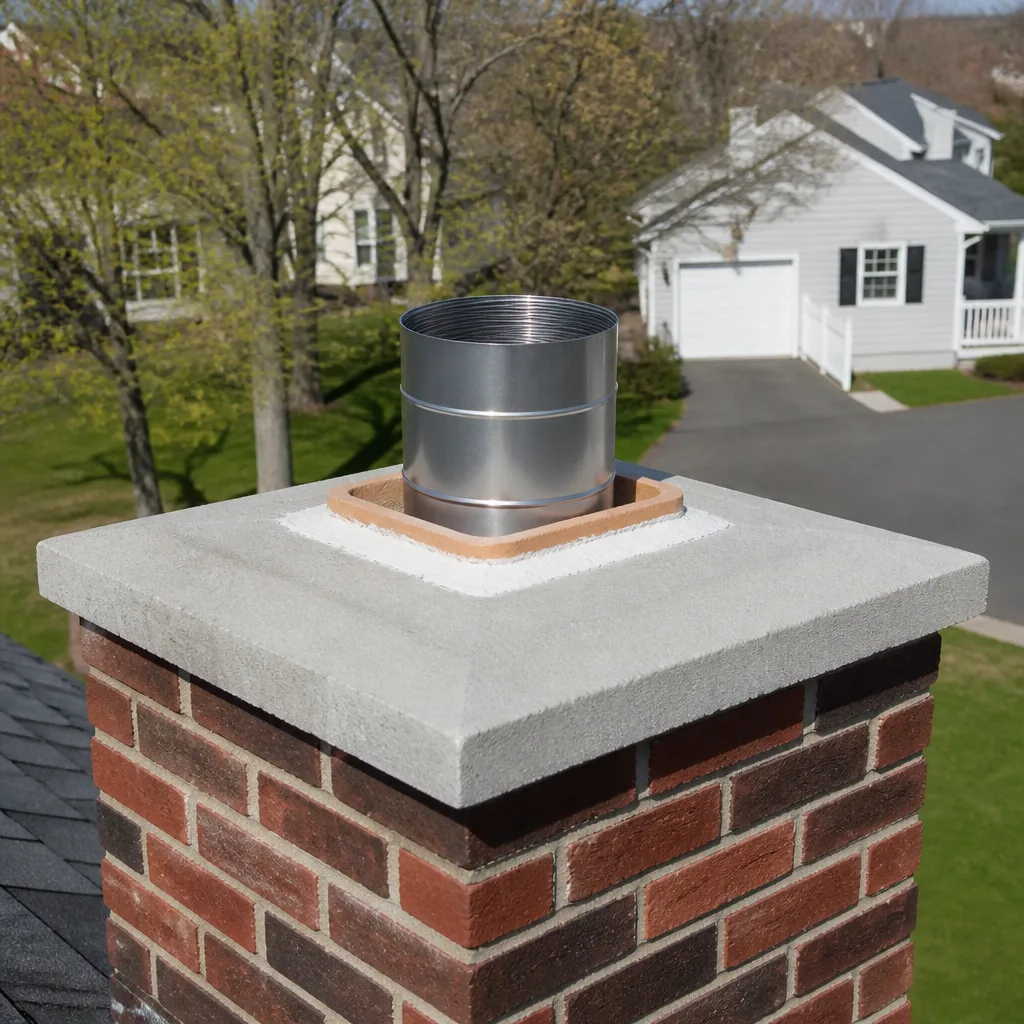 Flue relining
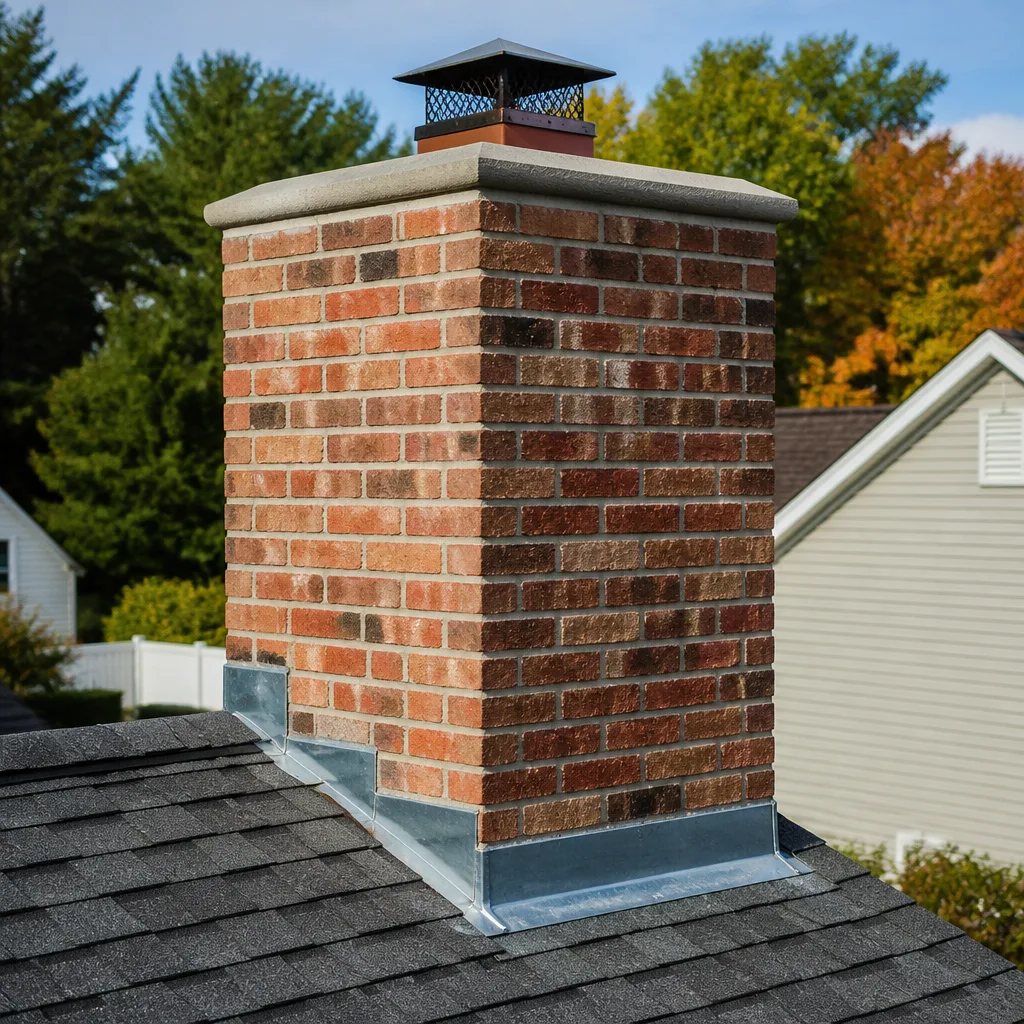 Masonry repair
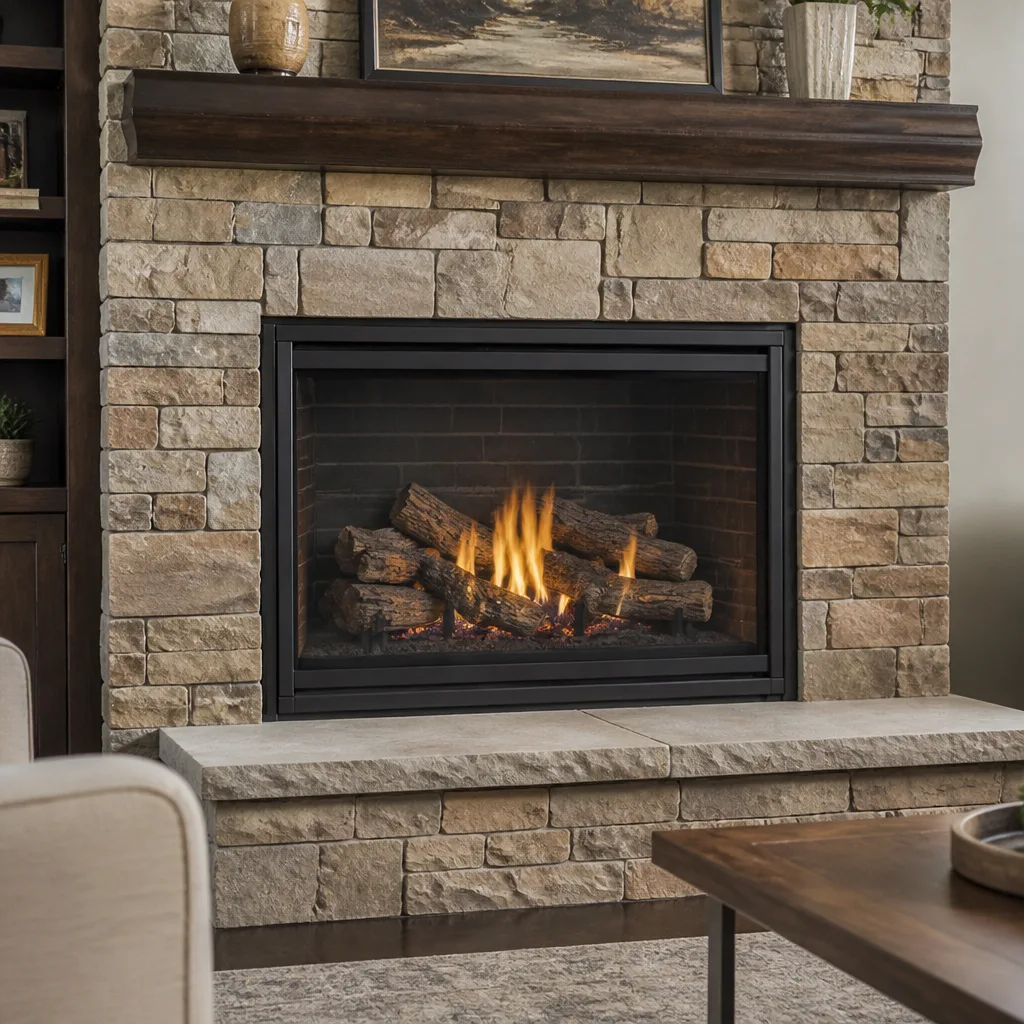 Gas fireplace service
Level 1 sweep and inspection to the NFPA 211 annual standard - flue, crown, cap, and flashing checked and photographed
Chimney sweep logs do not sweep chimneys. They loosen some creosote - which then falls where a brush and vacuum still have to collect it.
Chimney Sweep Maintenance Schedule: What to Do and When
Gas fireplace owners often skip annual service because “gas burns clean.” That assumption costs them flue liners. Gas logs still release moisture and leave debris that eats away at a liner from the inside, and by the time you notice, the damage is structural. Meanwhile, a wood-burning homeowner in Enterprise who burns hot, dry wood may be over-swept at once a year, while a neighbor burning unseasoned wood and smoldering overnight fires needs attention twice as often. This guide builds a maintenance calendar by fuel type, season, and how you actually burn, with the pre-season and post-season checkpoints that matter in southern Nevada.
Quick Answer
Most chimneys should be inspected once a year and swept when the inspection shows buildup, but the right schedule depends on what you burn. Wood-burning fireplaces in Enterprise are best checked in September before the first cold snap and again in April; gas logs need an annual inspection even though there’s no soot; pellet inserts sit between the two. Homeowners can check the crown, damper, and firebox safely, but creosote removal, liner assessment, and any repair require a certified sweep.
Styles & brands we work with
- Sweep & inspection
- Caps & crowns
- Flue relining
- Masonry repair
- Gas fireplace service
Table of Contents
- Why one annual sweep isn’t a real schedule
- The wood-burning calendar
- The gas log calendar
- The pellet insert calendar
- The pre-season checklist (September)
- The post-season checklist (April)
- What you can safely check yourself, and what you can’t
- How burn habits change your sweep frequency
- The materials that match each maintenance interval
Why One Annual Sweep Isn’t a Real Schedule
The industry shorthand is “sweep once a year.” It’s a decent baseline and a bad plan. Sweeping is a maintenance action; the thing that actually protects your home is knowing when your specific chimney needs it.
Three variables move the needle. The first is fuel type, because wood, gas, and pellets produce completely different deposits. The second is how you burn, meaning the temperature of your fires and how dry your wood is. The third is your local environment. In Enterprise, we deal with dry desert air for most of the year and a hard winter cold snap that arrives fast, usually around late September or October. That rhythm shapes when chimney work should happen: you want the inspection done before the cold arrives, not after your first smoky fire reveals a problem.
Collapsing this into one annual sweep leaves two kinds of homeowner. Some get over-serviced, paying for a cleaning that a light-use gas fireplace simply doesn’t need. Others get under-maintained, because the “once a year” line lulled them into skipping the inspection that would have caught a cracked liner in October rather than January.
The professional version of this is a schedule built from fuel, usage, and season. That’s what the rest of this guide lays out. And it applies whether you own a wood-burning fireplace, a gas log set, or a pellet insert. Each one has a distinct maintenance window in southern Nevada.
The Wood-Burning Calendar
Wood-burning fireplaces and wood stoves are the most demanding and the most rewarding to maintain. They produce creosote, which is the flammable residue that causes chimney fires. The right maintenance window for a wood-burner in Enterprise is two checkpoints a year, not one:
- Late September, before the first cold snap. This is your pre-season inspection and sweep. The flue is cold, the chimney has had a dry summer to sit with any deposits, and any repair work has time to cure before you burn.
- Mid-burning season, around January or February. A mid-season check on the firebox and flue smoke path catches soot buildup. It is not a full sweep; it’s a look. If creosote is glazing or the draft has changed, sweep it.
- April, after the burn season ends. This is your post-season inspection, and it’s where you catch what winter did. Monsoon season starts in July in southern Nevada, and the last thing you want is a compromised chimney cap or crown going into rain.
That’s three touchpoints, but only the September and April ones are full visits. The mid-season look can be done by a technician in 20 minutes alongside other work.
Wood-burning fireplaces in Enterprise also see heavy occasional use during holiday weeks, when families burn several nights in a row. That burst of activity is where creosote tends to concentrate. A post-holiday look at the smoke chamber and damper is worth the effort, especially if you notice a smoky smell in the room when the fireplace is cold.
The Gas Log Calendar
Gas log sets need one annual inspection, full stop. The reason has nothing to do with soot. Gas logs produce water vapor and trace debris, and that mix is corrosive inside a flue. The deposits aren’t visually dramatic the way creosote is, so the damage is easy to miss until a liner has failed.
The calendar for a gas fireplace in Enterprise looks like this:
- One visit a year, ideally in the fall. The technician checks the burner, the logs, the flue passage, and the liner for moisture damage and corrosion.
- Anytime you smell something off, have it checked. Gas log sets can clog or shift, and any fuel smell or exhaust smell inside the room is a same-day concern. Call (855) 752-5896. We answer 24/7. Fast dispatch from 7am to 7pm, Sunday through Friday.
- No owner-side sweeping is needed. Vent-free units, manufactured units, and vented gas logs all have different venting behavior, and sweeping a gas log flue without knowing which you have can damage the logs. Leave sweeping to the professional.
The CSIA recommends annual inspection for all fuel types, and gas logs are exactly why. The inspection isn’t looking for a full flue of soot; it’s looking for the less visible stuff, like condensation, corrosion, and a flue that isn’t drafting the way it should.
The Pellet Insert Calendar
Pellet inserts sit between wood and gas in maintenance demand. They burn cleaner than cordwood, but they still produce ash and fine fly ash that can coat a flue. Pellet stove maintenance breaks into two rhythms:
- Owner-level weekly to monthly: empty the ash pan, clean the burn pot, and check the glass for buildup. This is routine and safe for a homeowner.
- Technician-level twice a year: a flue sweep and a check of the exhaust path in October, and a post-season inspection in April that checks the vent termination and the exterior penetration for water intrusion.
Pellet inserts are popular in Enterprise homes where a wood-burning fireplace existed but the homeowner wanted lower labor. If you’ve installed a pellet insert into an existing fireplace, the exterior chimney still needs to be inspected as a chimney. A pellet vent that runs through a masonry flue is a different setup from a dedicated prefabricated vent, and the technician needs to see the whole thing, not just the insert.
The Pre-Season Checklist (September)
September is the most important month on the chimney calendar in Enterprise. The cold arrives fast, and if you wait until the first cold week to call, you’re booking during the busiest stretch. Get the inspection done in September and you own the rest of the season.
The pre-season visit should include:
- A full inspection of the firebox, damper, smoke chamber, and flue.
- A camera inspection of the flue lining from top to bottom.
- A look at the crown for cracking, which is the most common water entry point.
- A check of the chimney cap for rust, birds’ nests, or blockage.
- A sweep if the inspection shows buildup above the threshold for your fuel type.
- A check of the exterior flashing and the masonry joints.
For wood-burning units, the sweep happens in September and again only if the mid-season look shows glazed creosote. For gas units, the September visit is inspection-only, no sweep. For pellet inserts, it’s the sweep and exhaust check.
The pre-season checklist is also when you’ll want to book any repair work. If the inspection turns up a cracked crown, a flue tile that’s spalled, or a liner that has reached the end of its life, getting the repair done in September means it cures before you burn. Waiting until the first fire means you’re burning in a compromised chimney, which is exactly the situation chimney maintenance exists to prevent.
The Post-Season Checklist (April)
April is the other half of the calendar, and it’s the half most homeowners skip. The winter is over; you’ve stopped burning; the chimney is out of sight and out of mind. That’s the mistake.
The post-season visit is where you catch winter damage and prepare for monsoon season. In southern Nevada, July brings the start of monsoon season, and the driving rain that comes with it finds every weak spot in a chimney. A crown with a hairline crack in April becomes a saturated chimney in July. A flashing joint that’s pulled away in April becomes a leak that rots the ceiling in August.
The post-season checklist:
- Crown inspection, and repair if any surface cracks are open or the crown has pulled away from the flue.
- Flashing check where the chimney meets the roof.
- Chimney cap inspection for rust and animal interference.
- Firebox and damper check for warped metal or a stiff movement.
- Liner inspection if you haven’t had a camera check in the previous 12 months.
- A sweep if the winter burn left significant deposits, especially for wood-burners that burned heavy in the last weeks of the season.
- A written record of findings so next September’s visit starts with the full history.
April is also the smart month for any liner resurfacing or replacement. HeatShield Cerfractory Flue Sealant and DuraFlex flexible liner systems are both specified for jobs where the liner is damaged but the surrounding structure is sound. Doing that work in April means the material cures and settles before the cold. That is what built to last means in practice.
What You Can Safely Check Yourself, and What You Can’t
Some chimney checks are safe for a homeowner with a flashlight. Some are not. Knowing the line protects you and protects your investment.
Safe to check yourself:
- Crown visual check from the ground. Binoculars, a dry day, and a good look for cracks, missing chunks, or a crown that’s peeling away from the flue. Don’t climb the roof to do it.
- Damper operation test. Reach in, open and close the damper, and note if it sticks or binds. A stiff damper is worth a call.
- Firebox inspection with a flashlight. Look at the firebrick for cracks, missing mortar joints, or dark staining that suggests moisture. Look at the metal grate for warping.
- Chimney cap visual check. Watch for rust, denting, or a nest that’s visible from the ground.
Requires a certified sweep:
- Any creosote removal. Creosote is flammable, and a glazed third-degree deposit can’t be brushed off with household tools.
- Any liner assessment. A camera inspection is the only way to see the full interior of a flue, and reading it takes training.
- Any roof-level work. Walking a roof is a fall hazard, and climbing onto a chimney to inspect a crown is where homeowners get hurt.
- Any gas appliance work. Gas is never a DIY category. A fuel smell means the appliance gets shut off and a technician comes out.
- Any structural repair, whether crown, flashing, or firebox re-pointing.
The safe home check takes five minutes and gives you something useful: a list of things to mention when you call. The professional inspection gives you the safety answer. Anyone telling you that you need thousands of dollars of liner or masonry work without a camera image showing you exactly what they saw is a red flag. The professional standard is camera evidence you can look at yourself, plus a written scope, plus a price agreed before work begins.
How Burn Habits Change Your Sweep Frequency
The annual baseline is the floor, not the ceiling. In our experience, creosote accumulation tracks two things above all: burn temperature and wood moisture content. Both are things a homeowner controls, and both are the reason one Enterprise homeowner needs a sweep twice as often as the neighbor.
Burn temperature. A hot, brisk fire burns clean and leaves light, dusty creosote that’s easy to remove. A smoldering fire, the kind that looks pretty at bedtime and turns into a smoky pile by morning, burns cool and leaves sticky, concentrated creosote that builds fast and ignites easily. Wood-burners who run cool overnight fires should be on a six-month inspection schedule, not a twelve-month one. Chimney fire risk rises with the deposit, and glazed creosote is the most dangerous form because plain brushing won’t fully remove it.
Wood moisture. Seasoned wood, meaning wood that’s had time to dry, burns hot and produces little creosote. Unseasoned wood, or softwood cut and burned the same season, burns cool and steams through its moisture, and that steam carries creosote into the flue where it cools and sticks. In southern Nevada, our dry air seasons wood faster than most climates, which is an advantage, but only if you actually cut and stack the wood in advance. If you’re the homeowner who buys at the last minute and burns green wood, plan on a sweep after every cord or so of burning.
How to know you’re in the higher-frequency group:
- You routinely have overnight smoldering fires.
- You burn wood that isn’t fully dry or you’re not sure how long it’s been cut.
- You burn softwood most of the season.
- You notice smoke coming back into the room, or a stronger smoky smell than usual.
- You can see glaze on the flue walls through the damper when you look up with a flashlight.
Two or more of those, and the schedule should move to twice-a-year inspection with a sweep whenever the camera check shows it. It’s the same principle that makes our Chimney Sweep Enterprise team look at fuel and burn habits before quoting a schedule.
The Materials That Match Each Maintenance Interval
The maintenance calendar determines when we look. The material specifies what happens when the answer is “yes, it needs work.” Professional-grade materials are specified by name because a generic part does the wrong job at the wrong interval.
When a sweep is the right tool: chimney brushes are for the annual or mid-season removal of soot and light creosote. This is the routine maintenance. It’s what most chimneys need most years, and it’s the least expensive part of the calendar. Every chimney should come out of a sweep with a clear flue and a report of what the camera saw.
When HeatShield applies: HeatShield Cerfractory Flue Sealant is the right material when the flue liner has cracks, spalling, or an open joint, but the surrounding structure is sound. It’s a resurfacing system that extends flue life rather than masking damage; it restores a liner’s surface and seals it for the long haul. It is specified for the April post-season window when the repair has the whole summer to set.
When DuraFlex applies: DuraFlex flexible liner systems are specified when the existing flue liner has failed badly enough that resurfacing isn’t right, or when the chimney is being relined after a fireplace or appliance change. It’s a professional-grade liner trusted by chimney specialists, and the installation is a structural decision, not a patch. It’s the job for the April or September repair window, never the middle of a burn season.
When caps, ventilation components, and specialty parts apply: Gelco chimney caps are a maintenance item, not just a repair. A rusted or missing cap lets in water and animals, and it’s one of the cheapest things on the post-season checklist to replace. Famco ventilation components matter on the pellet and gas side. And Copperfield specialty parts cover the less-visible pieces that keep a system working: the dampers, the hardware, and the components that get skipped when a budget liner or generic part is used to save money on the front end. Copperfield and Olympia Chimney supply lines give access to professional product tiers that aren’t at a big-box store, which is why we specify them and why we name them.
Full-service chimney care means the same specialist who finds the problem also does the work. The chimney repair side of our business is staffed to handle the repair the inspection just flagged, not to refer it out. Our technicians have up to experience with these materials, and the whole point of the calendar is that you get to the repair window before a problem becomes expensive.
Common Mistakes to Avoid
- Assuming a gas fireplace needs no annual service. Gas logs produce moisture and debris that corrode flue liners, and the corrosion is invisible until it’s structural. If you skip the annual inspection because “gas is clean,” you’re exactly the homeowner this mistake is worth a visit to prevent.
- Waiting until the first cold snap to book. In Enterprise, that first cold snap tends to hit around late September or October, and the schedule fills quickly. A September inspection gets you a clear chimney before the season; a November emergency call gets you a wait.
- Booking a sweep without a camera inspection. A sweep without a camera check is a blind job. You won’t know whether the flue liner is sound, whether the crown is cracked, or whether the last season did damage. Insist on the camera, and look at the pictures.
- Climbing onto the roof to inspect a crown. It’s the most common fall injury in the trade, and it’s completely avoidable. Check the crown from the ground with binoculars and let a professional handle the roof.
- Burning green wood because dry wood wasn’t on hand. Unseasoned wood is the fastest way to build glazed creosote, and the result is a chimney fire risk that’s expensive to remove. Buy dry wood or cut and stack it in advance.
- Skipping the April checklist. Winter damage is where monsoon season leaks start. A crown crack found in April is a low-cost repair; found in July, it’s a soaked ceiling and masonry repair. April is the month most homeowners skip, and it’s the one that prevents the most damage.
- Approving repair work without seeing the evidence. A reputable chimney specialist shows you the camera images and the written scope before quoting. Any quote for liner work that comes without that evidence is worth a second opinion.
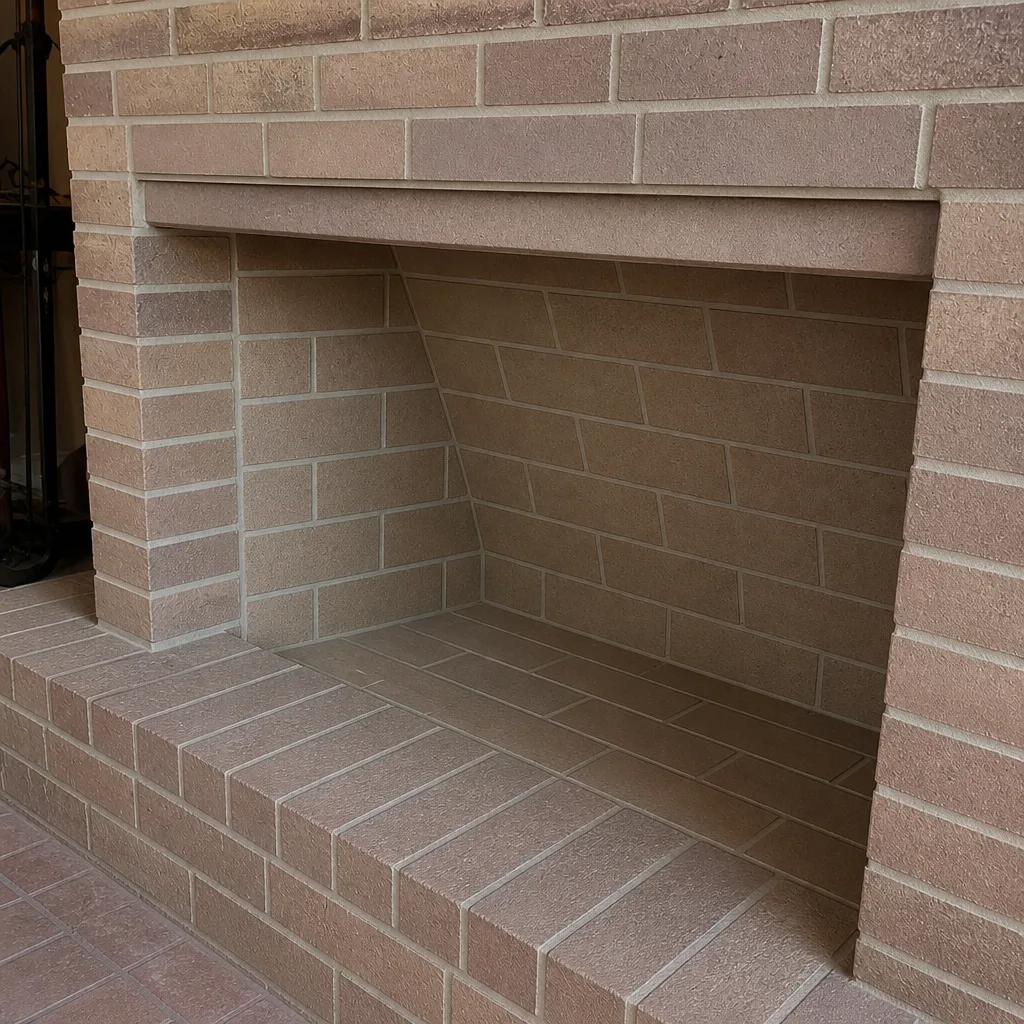
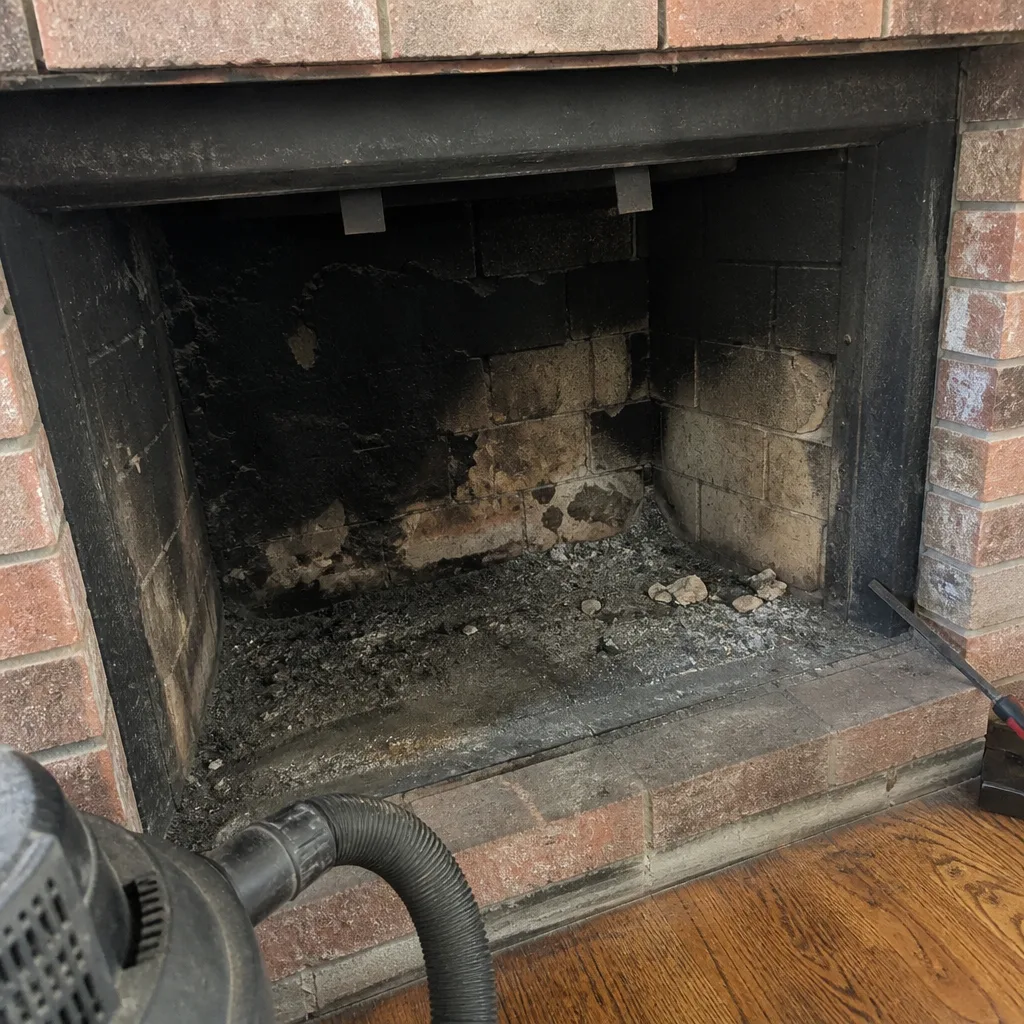
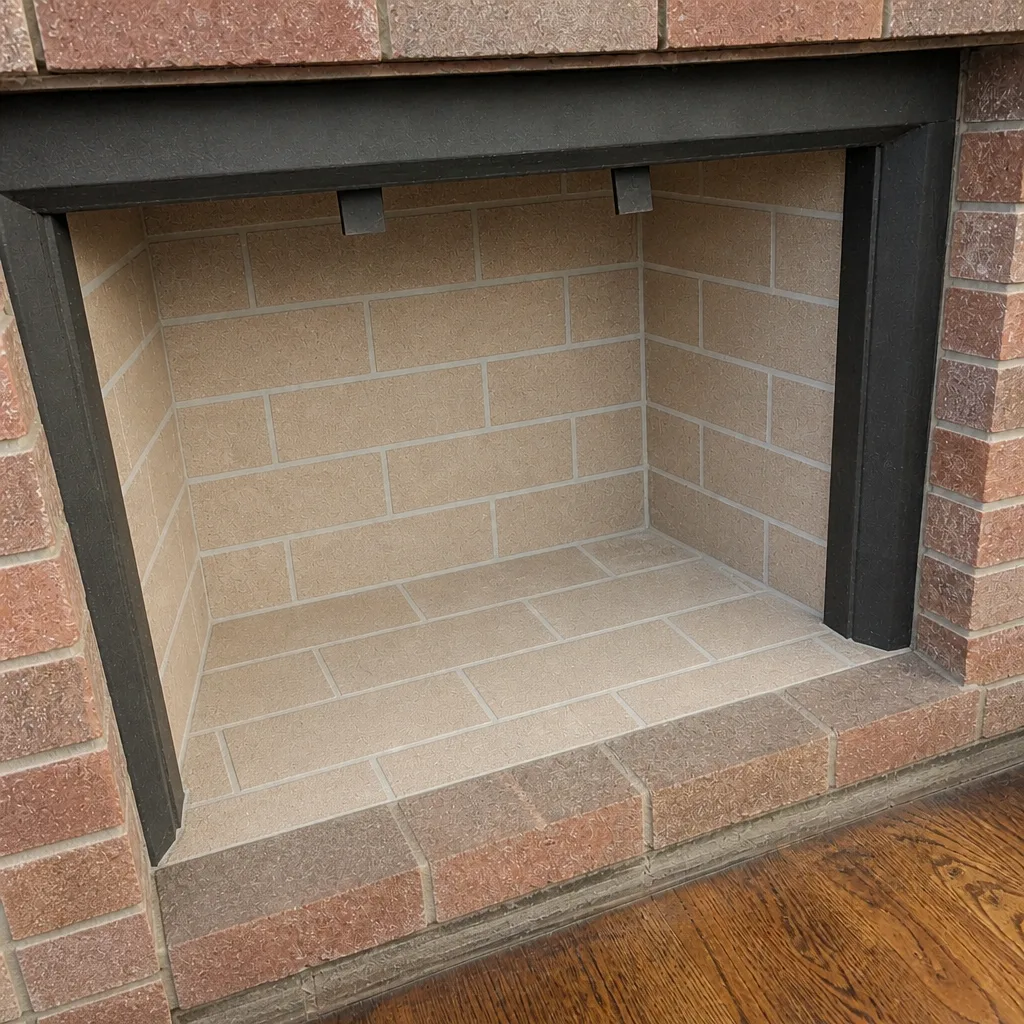
See the difference
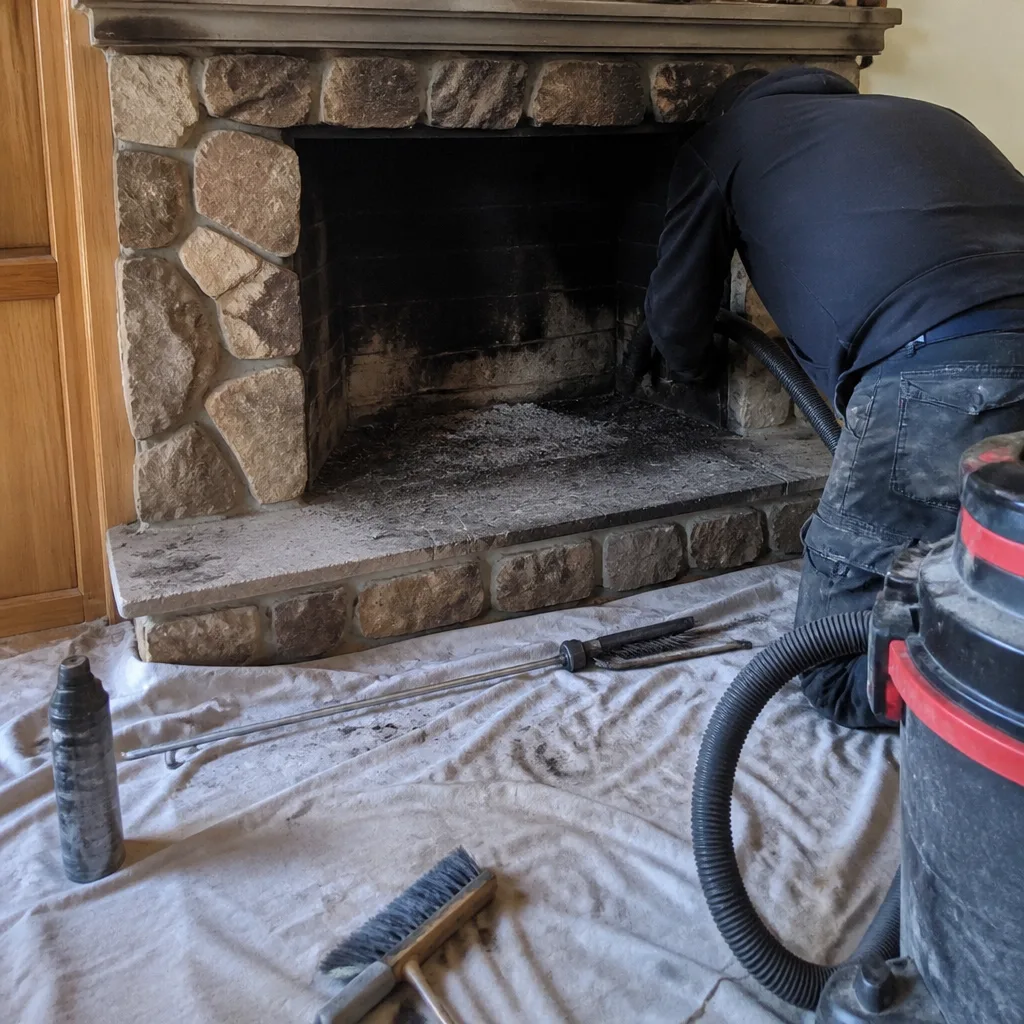 Before
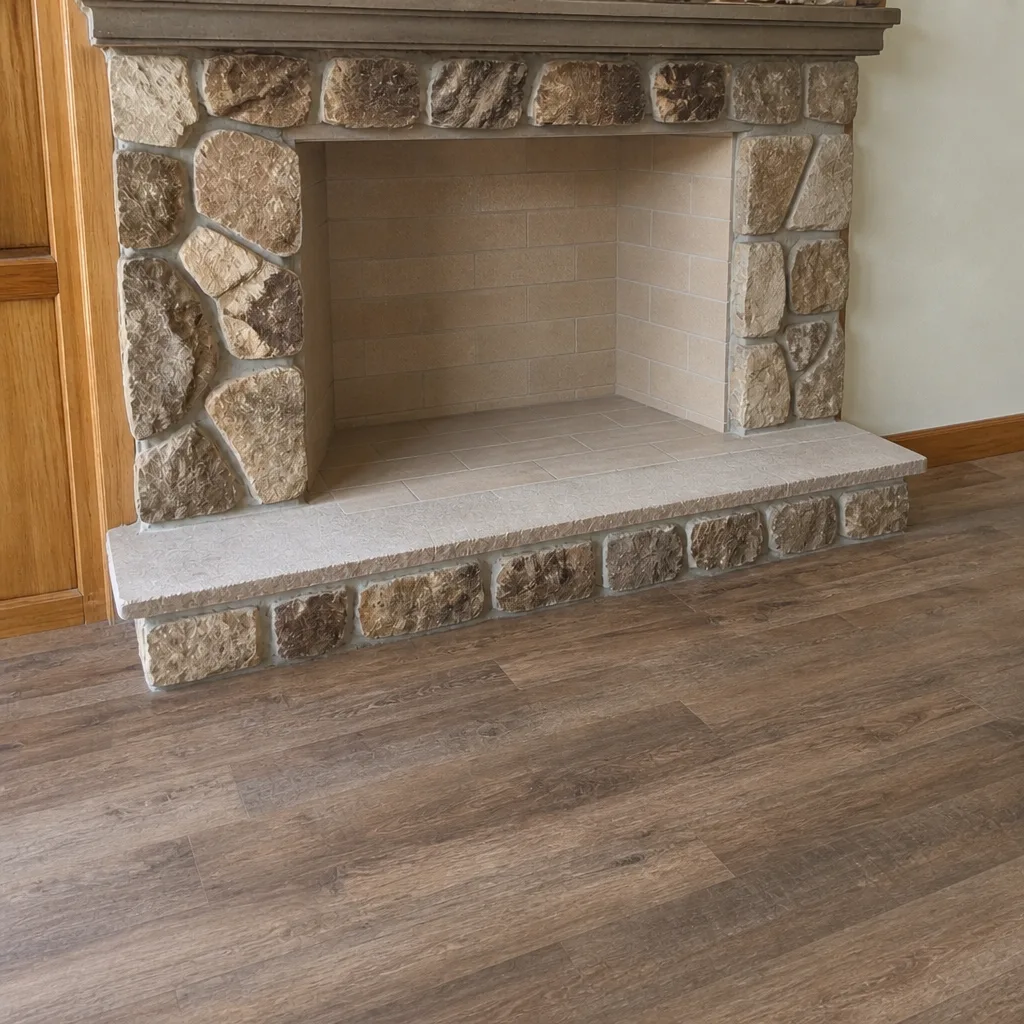 After
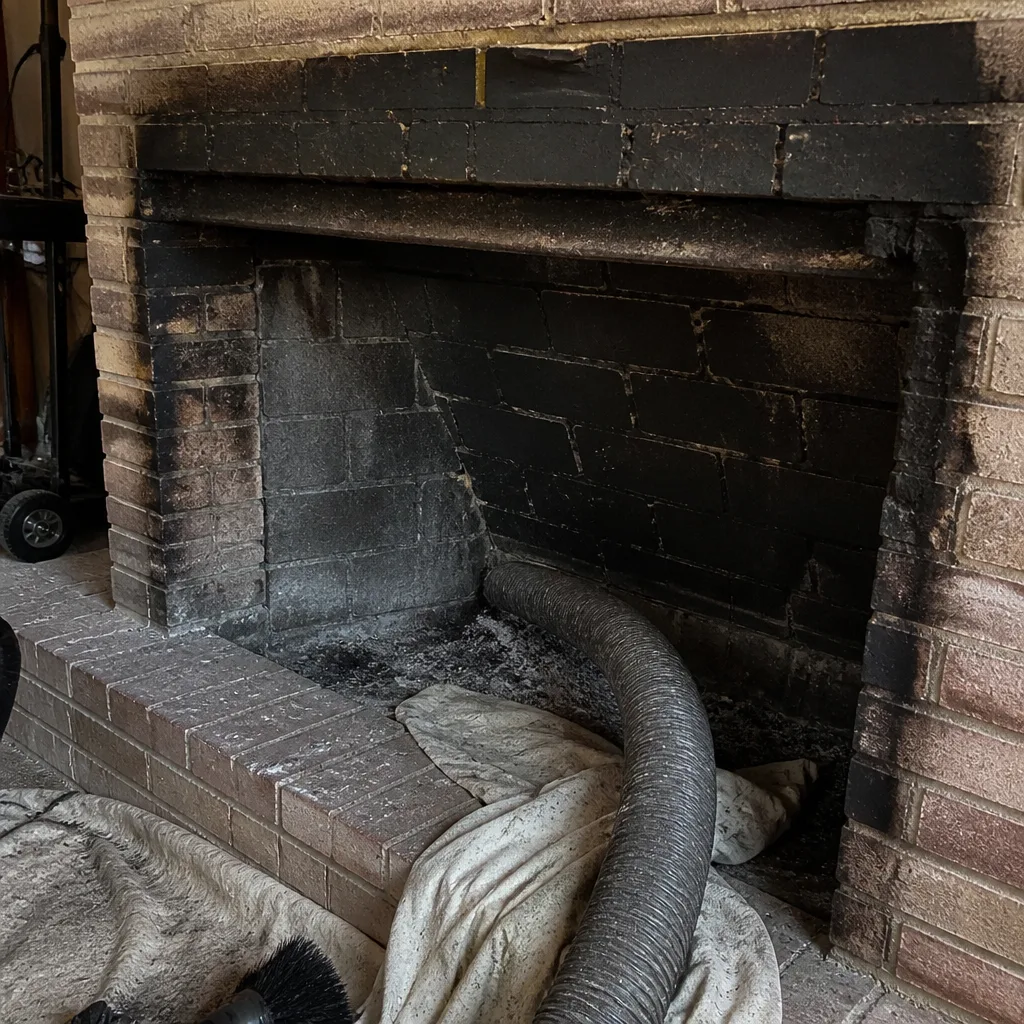 Before
 After
 Before
 After
When to Call a Professional
Some situations are on the calendar; others need a call today. Call if you smell gas, if exhaust is coming back into the room, if the damper won’t close, or if you can see a crack in the firebox that’s wider than a hairline. Call if the chimney is letting water in, if the crown has a visible chunk missing, or if you’ve never had an inspection and the chimney is decades old. Call if you’ve had a chimney fire, even a small one, because the flue liner needs a camera check before you burn again. The annual sweep and inspection in Enterprise is best booked in September, and repairs are best booked for April. The $ guidance is simple: the written estimate sets the price, and the estimate is free. Chimney Sweep Enterprise offers free estimates in Enterprise. Call (855) 752-5896. We answer 24/7. Fast dispatch from 7am to 7pm, Sunday through Friday.
Frequently Asked Questions
A wood-burning chimney should be inspected once a year and swept when the inspection shows buildup, which for most homes is once a season. A gas fireplace needs an annual inspection but rarely a sweep. A pellet insert sits in the middle: sweep and inspect twice a year. The right number depends on how you burn, not on the calendar alone. Call (855) 752-5896 and we’ll quote your schedule from your fuel type and usage.
Yes. Gas logs don’t make soot, but they do produce moisture and debris that corrode a flue liner, and the damage is invisible until it’s expensive. The CSIA recommends annual inspection for all fuel types. For a gas fireplace in Enterprise, that annual visit is an inspection, not a sweep. Call (855) 752-5896 for an exact quote on a gas inspection.
A typical sweep and inspection runs in the lower hundreds of dollars, and the written estimate sets the final price. The estimate itself is free. The figure depends on fuel type, access, and whether any repair work is included on the same visit. Call (855) 752-5896 for your estimate, and let us know which fuel type you burn and when you last had a camera inspection.
Creosote builds up and becomes a chimney fire risk, and small cracks in a liner go unnoticed until they widen. For gas units, skip maintenance and you skip the inspection that catches liner corrosion while it’s still repairable. In Enterprise, skipping the April check also means skipping the crown and flashing check that prevents monsoon-season water leaks. The cost of the repair rises the longer it’s deferred. Call (855) 752-5896 to get on the schedule.
No. A homeowner can check the crown, the damper, and the firebox with a flashlight, and that’s it. Creosote removal requires chimney brushes and a camera inspection, and roof-level work is a fall hazard. The safe plan is to check what you can and let a certified sweep handle the flue. Call (855) 752-5896 and we’ll tell you what your chimney actually needs.
The September inspection is the one to prioritize, because it’s how you learn what your chimney needs. If the inspection turns up liner or crown damage, the April window is the right time for the repair, since the material cures before the monsoon season and you don’t lose burn time waiting. Call (855) 752-5896 for a free estimate. We work throughout Enterprise and the surrounding area, and our chimney sweep service is the starting point for every schedule.
The Bottom Line
A chimney maintenance schedule is three windows, not one. September is the pre-season inspection and sweep, April is the post-season inspection and repair window, and a mid-season look during heavy burning catches problems before they grow. Wood-burners, gas logs, and pellet inserts each have their own rhythm, and the right schedule gets shaped by burn habits and wood moisture. The one action that matters most is the camera inspection, because it’s the only thing that tells you whether your chimney is safe to use. Book the September inspection, plan repairs for April, and call the specialist when a check turns up something you can’t see. Your chimney is a system, and we treat it like one. For a free estimate in Enterprise, call Chimney Sweep Enterprise at (855) 752-5896. We answer 24/7. Fast dispatch from 7am to 7pm, Sunday through Friday.
Written by the team at Chimney Sweep Enterprise.