
Last updated November 16, 2026
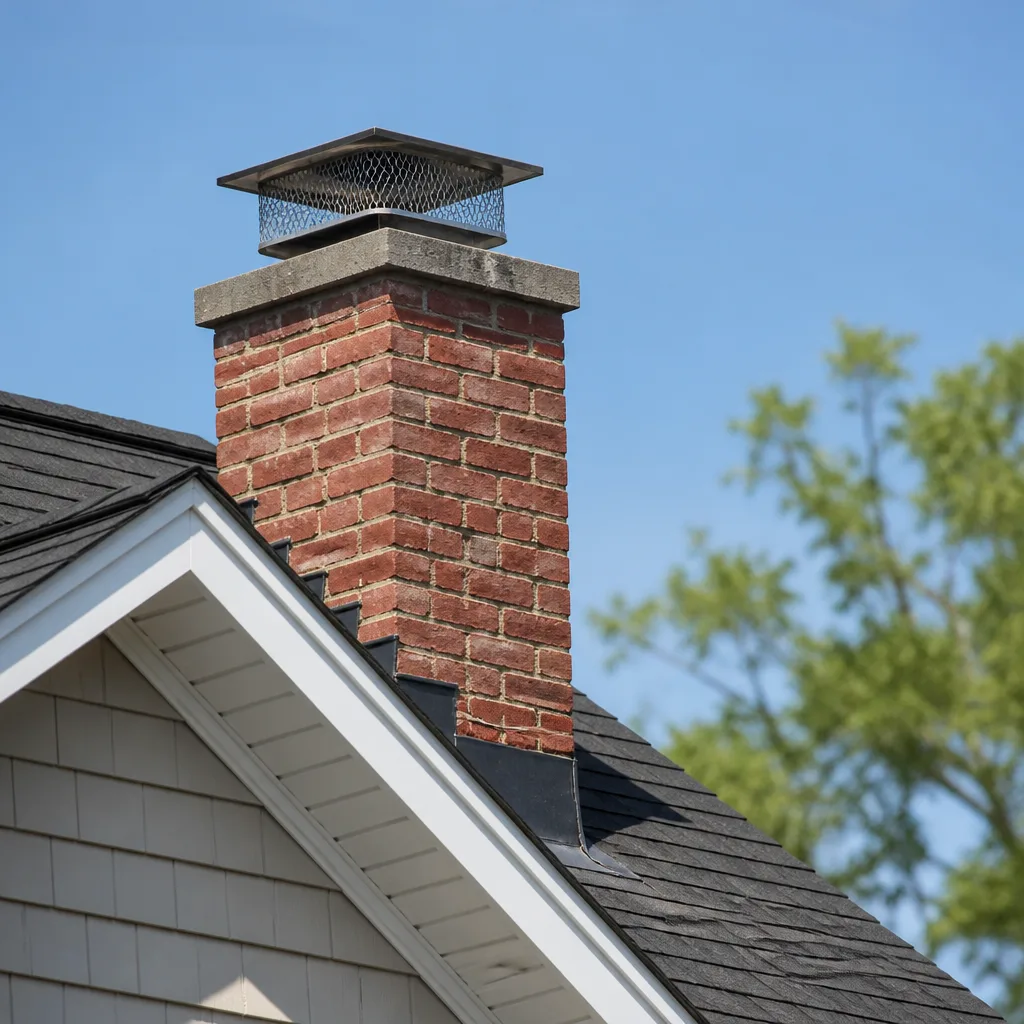 Sweep & inspection
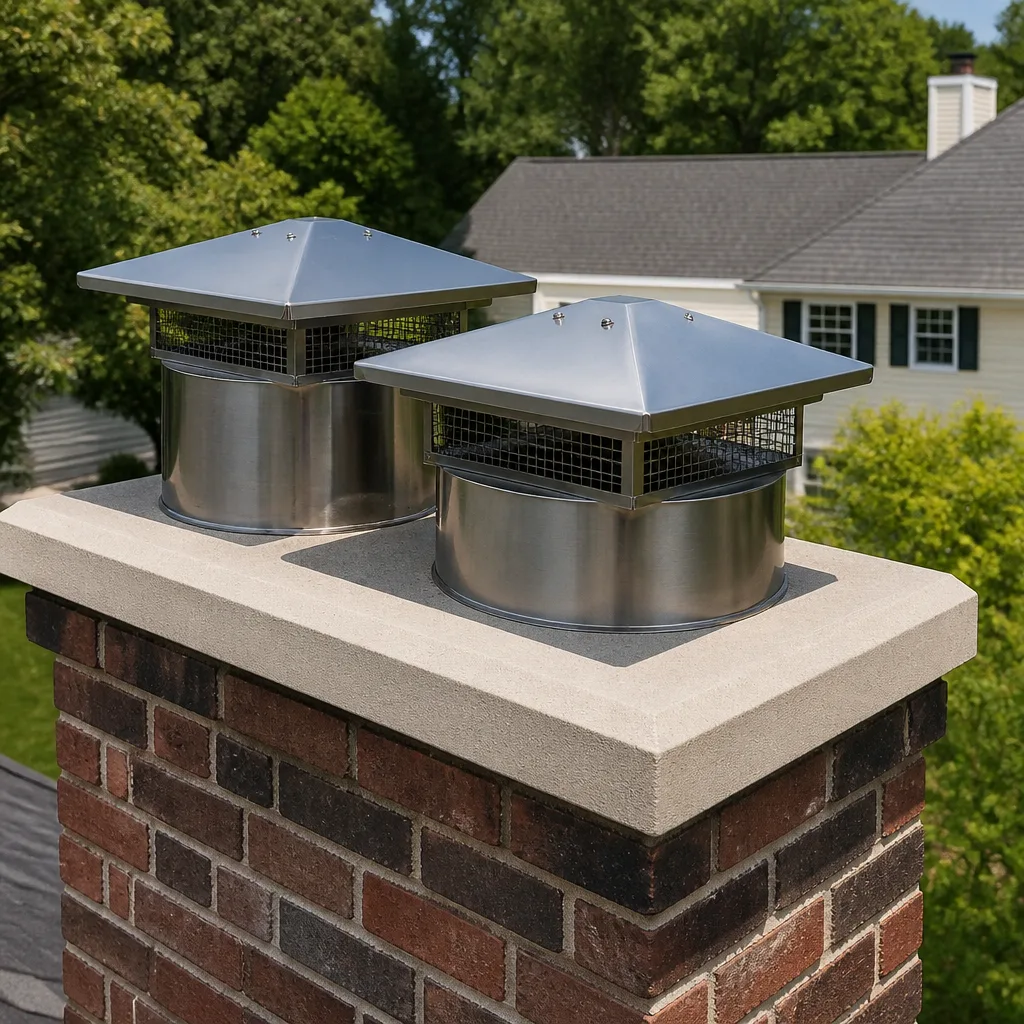 Caps & crowns
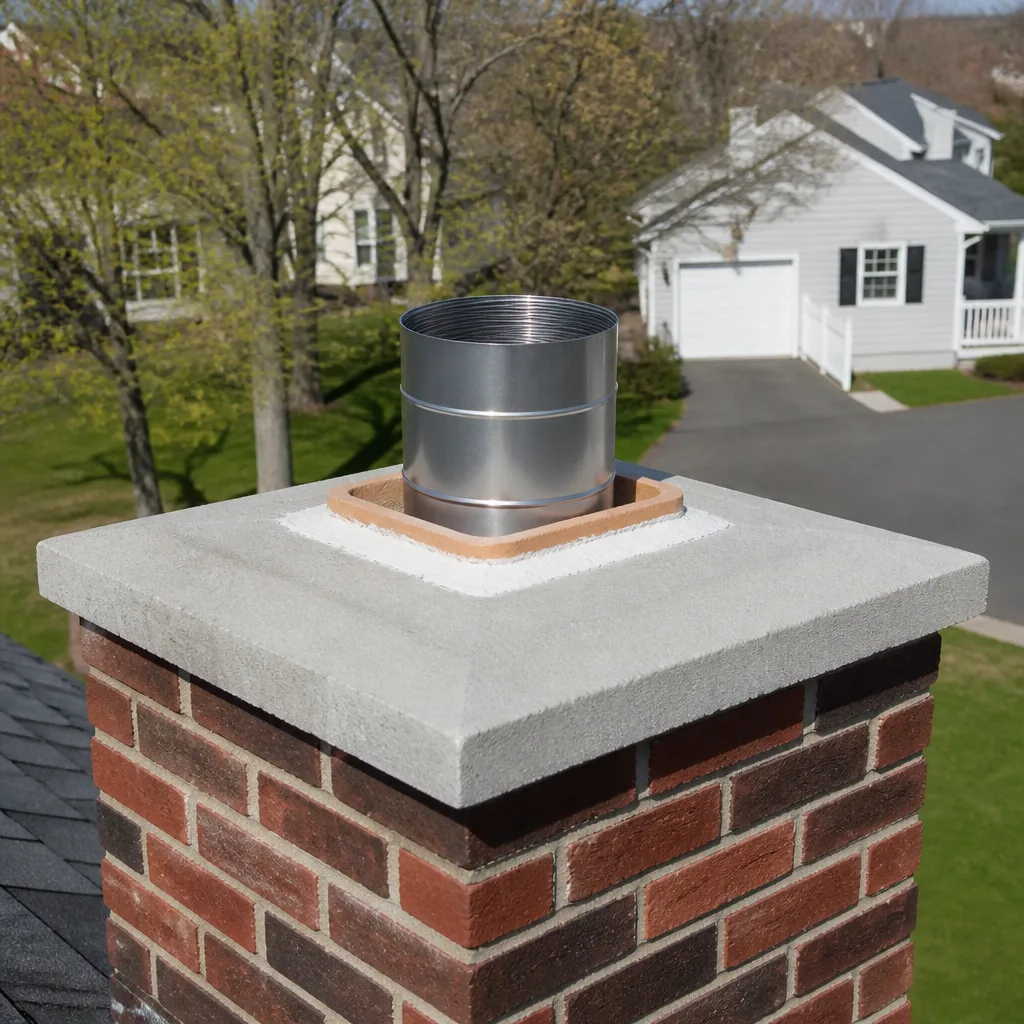 Flue relining
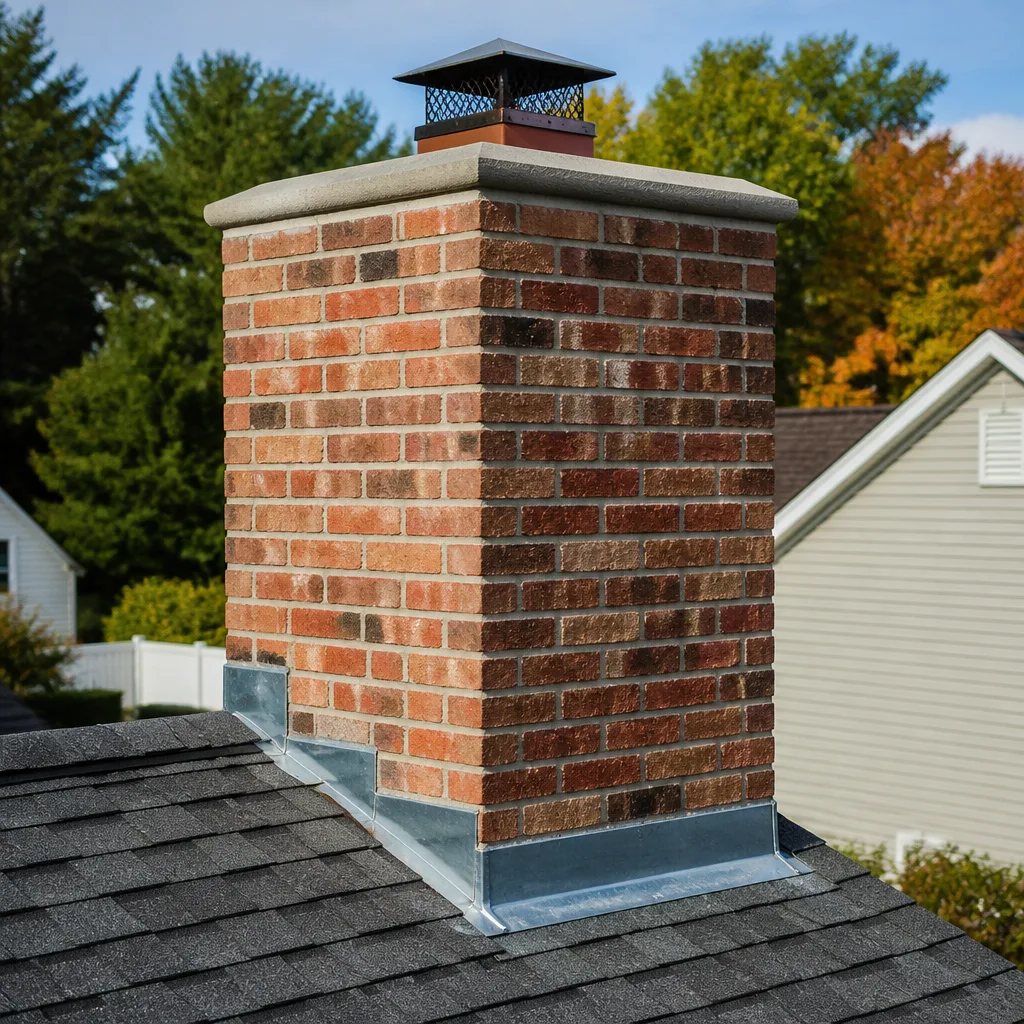 Masonry repair
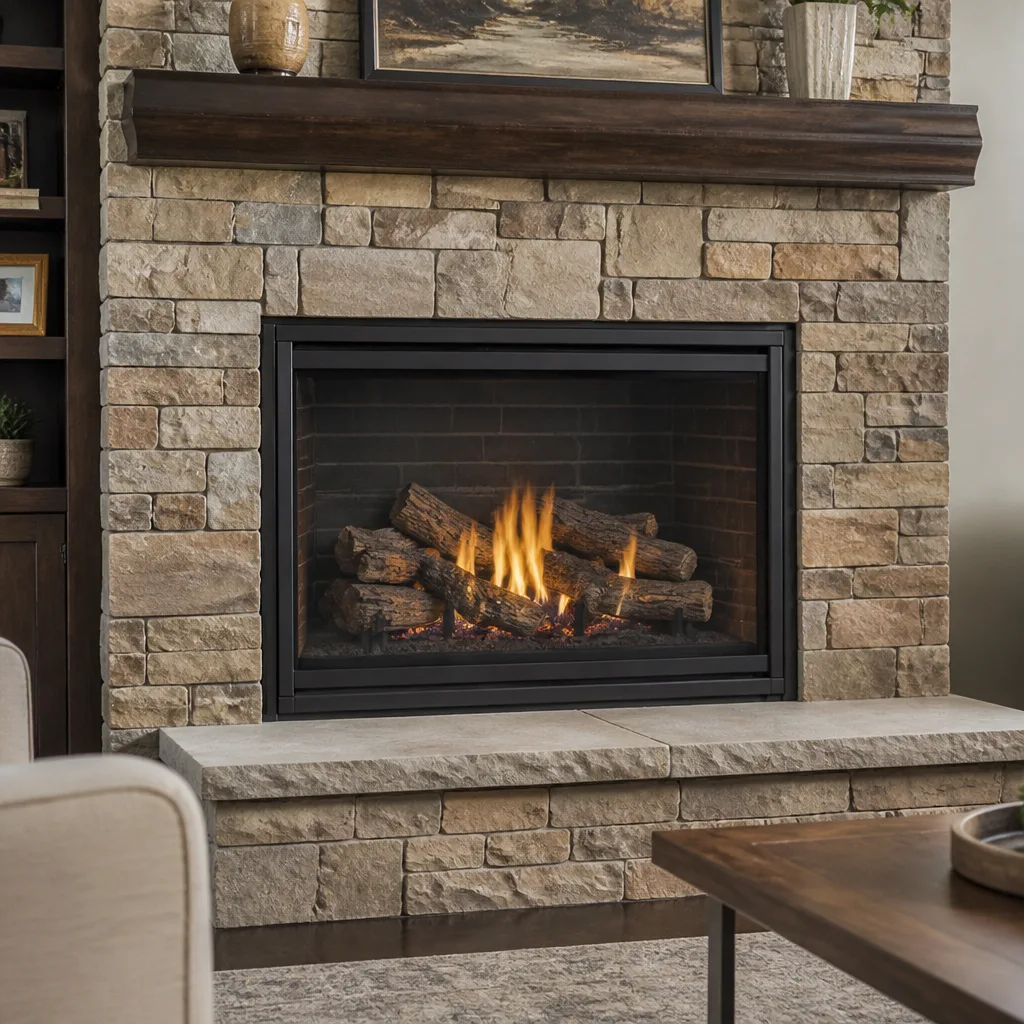 Gas fireplace service
Level 1 sweep and inspection to the NFPA 211 annual standard - flue, crown, cap, and flashing checked and photographed
Chimney sweep logs do not sweep chimneys. They loosen some creosote - which then falls where a brush and vacuum still have to collect it.
Chimney Sweep Maintenance Checklist for Enterprise Homeowners
Most chimney checklists are built around a calendar, and that’s the first thing that goes wrong here. In Enterprise, the calendar lies. Summer heat and dry desert air stress a flue long before anyone thinks about a fire, and the Mojave wind that strips open lots can loosen a cap overnight in a way a mild climate never tests. The tasks that protect a chimney in a wet, cold part of the country are not the tasks that protect one in Enterprise. This guide sequences maintenance around what actually happens to chimneys in Enterprise, timed to heat, wind, and burn season rather than to a generic spring-and-fall routine.
Quick Answer
A chimney maintenance checklist in Enterprise is sequenced around local conditions: a post-summer liner inspection for heat stress, a pre-burn-season sweep before you light the first fire, a mid-season cap and blockoff check after wind events, and a post-season damper and flue test once the burning is done. Good maintenance is a year-round sequence of small checks tied to Enterprise weather, not one annual cleaning. And it’s a service history you build deliberately, because the notes you keep matter when the house changes hands.
Styles & brands we work with
- Sweep & inspection
- Caps & crowns
- Flue relining
- Masonry repair
- Gas fireplace service
Table of Contents
- Why a Sequenced Checklist Beats an Annual One
- What You Can Safely Check From Ground Level
- What Requires a Professional With a Camera System
- The Post-Summer Check: Catching Heat and Creosote
- The Pre-Burn-Season Sweep: Timed Before the First Fire
- The Mid-Season Cap Check: Wind and Debris Entry Points
- The Post-Season Damper Test and Liner Notes
- Why Brushable Crown Coat Belongs on Your Checklist
- Logging Sweep Dates and Liner Notes for a Home Sale
Why a Sequenced Checklist Beats an Annual One
Most maintenance advice tells you to sweep once a year and forget it. That schedule was built somewhere with four distinct seasons and a long wet winter. Enterprise doesn’t work that way. The heat stress on a liner doesn’t follow the calendar of a fire; it follows the calendar of the sun. Creosote doesn’t care when you’re ready to sweep; it builds during burn season and sits until the next one. The cap doesn’t fail on a schedule; it fails when the wind gets under it. A sequenced checklist treats the chimney as a system that reacts to specific conditions in a specific order.
Here’s the sequence we work to in Enterprise:
- Post-summer inspection. After the hottest stretch of the year, check the liner and flue for heat stress, cracked mortar, and glazed creosote sitting dormant until the first fire.
- Pre-burn-season sweep. Before you light the first fire, get the flue cleaned and confirmed clear.
- Mid-season cap and blockoff check. During burn season, after any significant wind event, verify the cap, spark screen, and the flue are still sealed and clear.
- Post-season damper and flue test. Once the burning is done, test the damper, confirm the flue is clean, and inspect for any damage that accumulated over the season.
That sequence isn’t arbitrary. It puts the sweep and the inspection at the moments the chimney is most affected by local conditions, which is exactly when a found damage is cheap to fix. A chimney is a system, and maintenance timed to its system is different from maintenance timed to a calendar. Since our technicians work directly on that system, they can help you sequence yours correctly.
What You Can Safely Check From Ground Level
You do not need to climb a roof to do most of the useful pre-checks. Roasting a ladder onto a slope is exactly where a homeowner gets hurt, and we don’t recommend it. What you can safely do from the ground is look up, look at the firebox, listen, and smell. That catches the vast majority of problems before they become repairs.
From ground level, you can safely check:
- The cap and spark screen. From the yard, confirm the cap is seated and its spark screen isn’t loose, dented, or missing. In Enterprise’s open-lot construction, wind has a clear path across a roofline, so a cap that’s missing an anchor bolt is visible from the ground.
- The outside mortar and flashing. Look for cracked or crumbling mortar joints on the chimney stack and any visible gap where the chimney meets the roof.
- Blockage signals at the firebox. If smoke backs into the room when you open the door, or the draft feels weak, that points to a possible obstruction – a blocked flue, a broken damper, or a nest built in the cap. That’s a call, not a climb.
- The burn itself. Rushing or smoking firewood, smoke curling back into the room, or an unusual smell during a burn are all things you can confirm from the hearth.
Clear “keep off the roof” rule: anything above the cap, anything inside the flue past the firebox, and anything involving the liner is a professional task. You’re building a shortlist of what to point out to the technician when you call, not doing their job. If your own ground-level check turns up a cap gone missing after a wind event, wait for the inspection – don’t try to fish a tool up the flue to retrieve it.
What Requires a Professional With a Camera System
Some of the checklist simply cannot be done from the yard, and trying to do it from a ladder is where homeowner checklists fail. A camera inspection of the flue is the only way to actually see the inside of a liner, and it’s what an inspection service is for. Our experience is that the parts of a chimney you can’t see are where the expensive surprises live.
A professional with a camera system checks:
- The full length of the flue liner. A camera run shows cracks, gaps, separation between liner sections, and any glazed, hardened creosote that won’t come off with a brush alone.
- The flue’s interior surface. Rough or spalling mortar above the firebox, and any debris that has bridged across the flue, are only visible on camera.
- The smoke chamber and damper assembly. Above the damper, in the throat of the chimney, is where a lot of the blockages and cracks get missed on a visual look from below.
- Draft and cap ventilation. A camera pass, combined with the visible cap and crown, confirms the top of the system is sealed and intact.
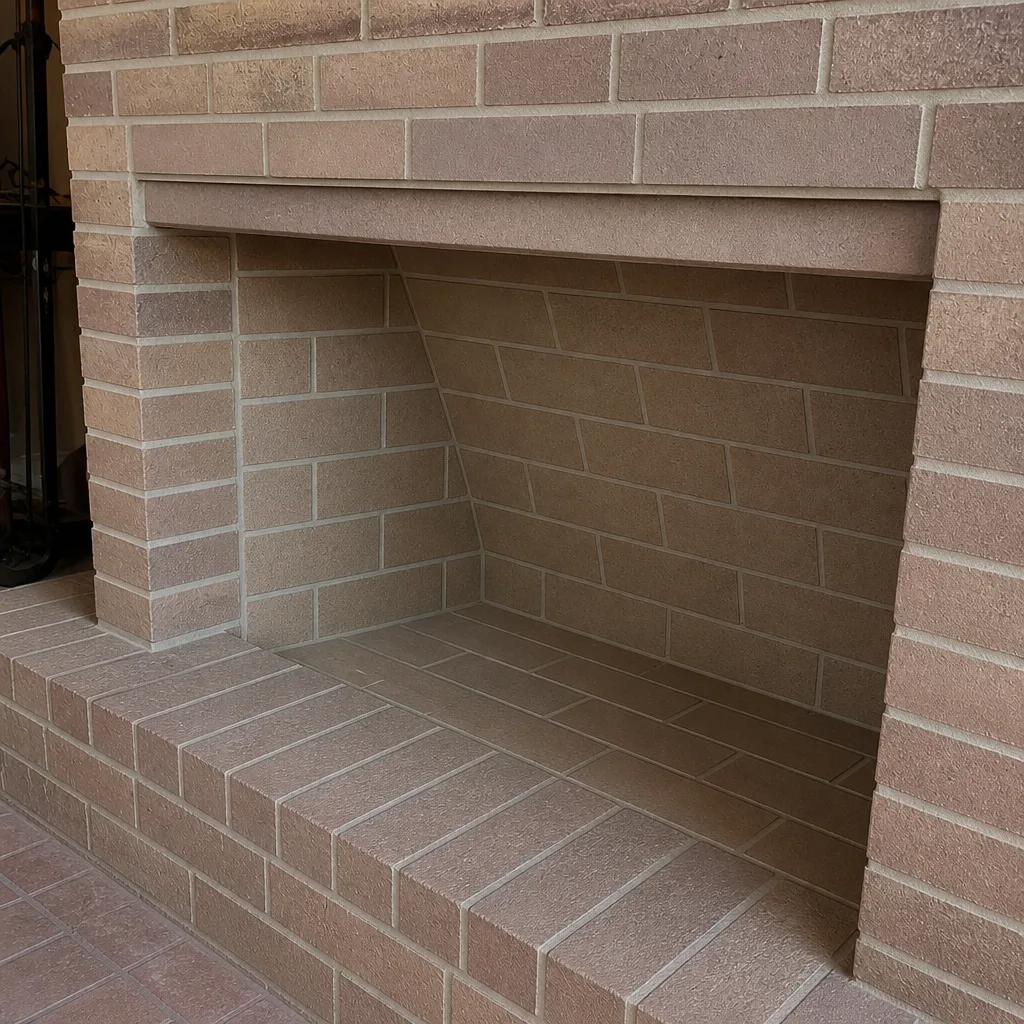
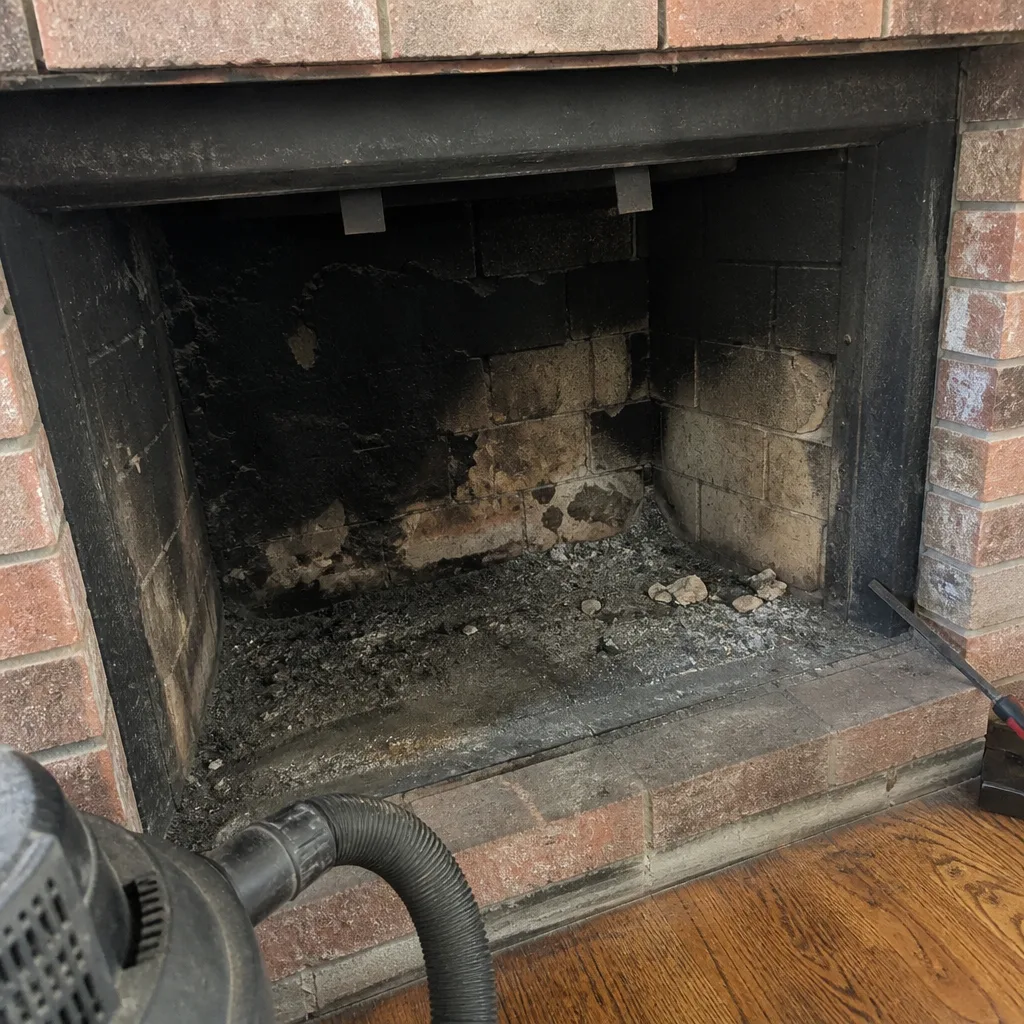
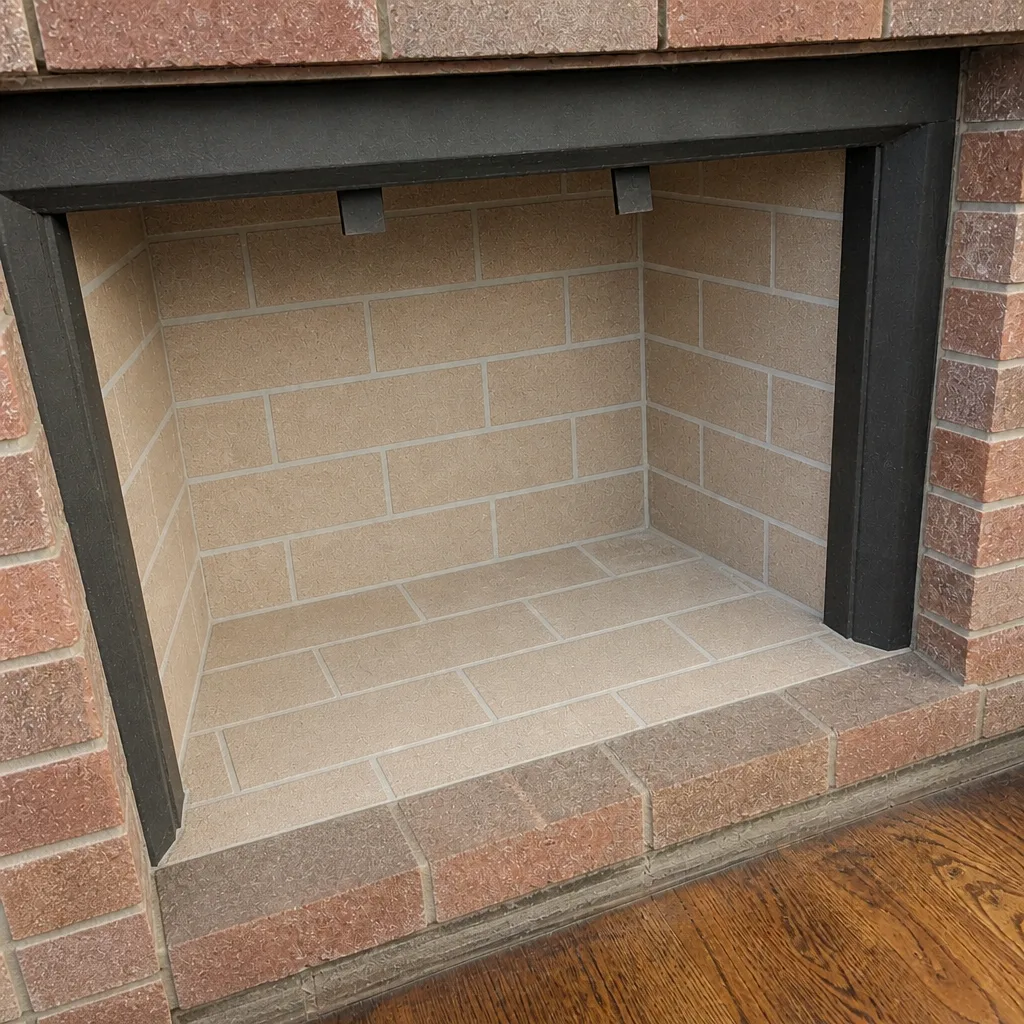
There’s a repair angle to this too. When the camera shows a rough or fractured interior, we don’t just recommend the largest possible job. Resurfacing with HeatShield is designed to extend the life of an existing flue rather than replace it, which is often the right call when the structure is sound and the surface is not. The important part is that anything we recommend is shown on camera – you shouldn’t have to take our word for it. A photo report is included with the inspection, and the findings are yours to keep and review. Nothing gets recommended that you can’t see for yourself.
The Post-Summer Check: Catching Heat and Creosote
Late summer is the deadline most homeowners miss, and it’s the deadline that matters most in Enterprise. Months of dry heat expand and contract the chimney’s masonry and liner, and a summer of no fire is exactly when a cracked liner or crumbling mortar joint goes unnoticed until the first cold night. The post-summer check is the window where that damage is cheap to fix, before the damage has a chance to matter.
The post-summer inspection covers:
- Inspect the liner and flue interior on camera for heat-related cracking, gap separation, or spalling.
- Inspect the crown and outside mortar for cracks that opened in the summer heat and will let water in during the next rain.
- Check for dormant creosote that hardened over the warm months. Glazed, hardened creosote sits in the flue from last season and is what feeds a chimney fire on the first burn.
- Confirm the cap and screen are still seated and no summer wind event moved them.
- Write down what was found – the before notes in your service history.
Creosote is worth taking seriously in Enterprise. Dry, hot conditions don’t remove creosote; they cure it and make it harder. A flue that smoked freely all winter can sit through a summer with a glazed deposit baked onto the walls, and the sweep before the first fire is what cleans it out. If the inspection finds a failing liner surface, that’s the moment to look at resurfacing – not after a dangerous amount of it has been burned through. That urgency is seasonal, not hourly. It’s a job to book before the first fire.
The Pre-Burn-Season Sweep: Timed Before the First Fire
The sweep has one job: make the flue clean and clear so the first fire of the season is safe. It’s not a fall tradition, it’s a safety gate, and it should happen before you burn anything, not after the first smoke fills the room. A clean flue is the thing that keeps creosote from catching and keeps the draft pulling the way it should. In our experience, the homeowners who schedule this well before the cold snaps are the ones who have the least trouble with the season.
When the pre-burn-season chimney sweep is done properly, it includes:
- A full mechanical brush and clean of the flue from bottom to top, matched to the liner type.
- Removal of creosote, soot, and any debris that collected over summer.
- A visual check of the firebox, damper, and smoke chamber while the flue is open.
- A camera pass of the liner, so the cleaning confirms what the post-summer inspection found was still current.
- A confirmed draft test before the technician leaves.
The safety stakes are real, so we’ll say them plainly. Creosote is what fuels a chimney fire, and a blocked flue is what sends carbon monoxide into the home instead of up the chimney. Those are the two reasons the pre-burn sweep isn’t optional. It’s the one task on this checklist we’d ask you not to skip or push later. Getting it on the books before the first burn means the season starts safely. And it means the inspection, the sweep, and any repair that turns up are handled by the same specialist, not passed to a different crew – the sweep and the repair are the same visit, not two.
The Mid-Season Cap Check: Wind and Debris Entry Points
Halfway through burn season, the checklist shifts to the top of the chimney. Mojave wind events can get under a cap and lift it, or work a spark screen loose, and once it’s open, the chimney becomes a funnel for dust, debris, and a blockoff problem. We’ve seen wind-driven debris find every gap in a system that looked sealed from the firebox. The mid-season cap and blockoff check is built to catch that before it becomes a flue blockage.
What to check mid-season:
- Cap seating and anchors. A cap that was seated in October can be loose by January after a wind event. Check that the cap is flush and the anchors are still holding.
- Spark screen integrity. A torn or missing screen no longer stops birds or debris, and a nest in the flue is a blockage. If the screen is damaged, the cap needs replacing.
- Wind-driven debris entry points. Around the cap and the top of the flue is where debris enters. In Enterprise’s open-lot construction, wind carrying dust and light debris has a clear line from the open ground to the roofline, so a lightly anchored cap is a real vulnerability.
- Signs of a blocked flue. Backdrafting at the firebox, a weak draft, and smoke rolling out of the opening rather than up the flue are the signals to watch for during the season. A sudden change in how the fire draws is your cue to stop burning and call.
Identifying actual blockage needs a camera, which is why the mid-season check is usually a professional visit or a quick check by a technician, not a rooftop task. But the homeowner signals – the smoke, the weak draft, the visible cap damage – are things you can spot from the ground. Catching them mid-season keeps a small wind problem from becoming a February repair. A replacement cap is a modest fix; a flue full of wind-driven debris and a damaged liner behind it is not.
The Post-Season Damper Test and Liner Notes
Once the burning season is done, the checklist doesn’t stop. The post-season test is where you close out the year: confirm the damper opens and closes cleanly, inspect the flue for what a season of use left behind, and capture the liner’s condition before it sits untouched for months. This is also where the record-keeping payoff begins. Post-season is the best moment to write down exactly what the flue looks like, because it’s the condition your next pre-burn sweep will be measured against.
The post-season test, step by step:
- Test the damper. Open and close it by hand. A damper that sticks, won’t fully close, or rattles loose is telling you it needs adjustment or replacement.
- Inspect the firebox and flue bottom. Confirm no creosote or debris has accumulated at the base of the flue over the season.
- Camera-check the liner. A post-season camera pass gives you the year-end condition of the liner, which is the baseline for the next year’s check.
- Check the cap and crown again. A winter of wind is often the last straw for a loosely anchored cap.
- Write the summary. Record the sweep date, the liner condition, and anything flagged for next year.
There’s a real repair question at this stage too. A season of use can roughen the interior of a flue, and a post-season look is when you decide whether it’s a repair year or a wait year. Not everything needs the largest repair. If the structure is sound and the interior is only lightly roughened, it can often wait until the next season. The damper is the piece to fix promptly, because a damper that won’t seal lets the home’s heat escape up the chimney all summer. Everything else should be judged on camera evidence, and we’ll tell you plainly when a repair can safely wait.
Why Brushable Crown Coat Belongs on Your Checklist
The crown is the concrete cap at the very top of the chimney, and it’s the part of the system that takes the most direct weather here. A small crack in the crown lets water into the masonry, and once water is inside, freeze-thaw and heat move the damage down the stack. The mistake is treating the crown as a one-time job. It should be on the yearly checklist as a touch-up item, the way you’d check the caulk around a window, because the crown is a wear surface and it wears every year.
Brushable crown coat is the product that makes this practical. It’s a brushable protective coating designed for the top of the chimney, from a professional line rather than a retail substitute. It goes on over a prepared crown, seals the small cracks that want to let water in, and it does the job the yearly checklist asks for: catch the wear surface before it turns into a masonry repair. This is also where the brand matters. We specify professional products because they’re built to last, not just to meet a minimum. A brushable crown coating from a trade supply line is a different thing from a generic coating, and the crown is the last place you want the cheap version. We source products from lines like Copperfield and Olympia Chimney because they’re the professional tiers, not big-box retail.
Why it belongs on the yearly checklist:
- It’s annual maintenance, not a one-time fix. A crown coating that’s checked and touched up every year is far less likely to become a masonry repair.
- It’s a small line item now. A crown touch-up on the checklist is a fraction of the cost of rebuilding a crown or repairing water damage later.
- It pairs with the cap check. The cap, crown, and spark screen are all checked from the same inspection – one visit, the whole top of the system.
We don’t do roofing here. But a crown is part of the chimney system, and so it’s part of this job. Dealing with it as a chimney specialist is different from calling a general handyman who treats the top of the chimney as a roofing job.
Logging Sweep Dates and Liner Notes for a Home Sale
A chimney’s condition on paper matters as much as its condition on the roof. During a home sale, a buyer’s inspector will ask for the chimney’s service history, and a homeowner who has kept a simple log has an answer that a homeowner who hasn’t cannot give. The log doesn’t need to be elaborate. It needs to be specific: what the camera showed, what the sweep removed, what was flagged, and what was repaired with what product.
A useful log records, for each visit:
- The date and the service type – post-summer inspection, pre-burn sweep, mid-season check, post-season damper test.
- The liner condition on camera – cracked, rough, sound, resurfaced, replaced. Note the product if a repair was done.
- Any cap or crown work – new cap, screen replacement, crown touch-up, and the product if relevant.
- The name of the inspection report and where it’s filed – the photo report you received belongs in the log.
This is the second reason to specify professional materials by name. A service history that says “liner resurfaced with HeatShield” is traceable; a note that says “liner fixed” turns any future buyer into an interrogator. Brand-backed material performance is the proof you actually did the work to a professional standard. And it’s the answer the inspector wants. If your log shows a sweep every pre-burn season, a camera check every year, and a crown touch-up along the way, you’re closing the question before it’s opened. Keeping the log is your job; the detail it needs comes from the professional’s report.
Common Mistakes to Avoid
- Sweeping on the calendar instead of around Enterprise conditions. A fixed annual date misses the post-summer and post-wind moments when a damaged liner or a loose cap is actually caught. Sequence the check to local heat and wind, not to a season you brought with you from somewhere else.
- Climbing the roof to “just have a look.” Falling from a roofline in Enterprise is a real risk, and the camera inspection shows more than you can see from a ladder anyway. Do the safe checks from the ground and let a professional handle everything above.
- Letting a wind-lifted cap sit through to the next burn season. A cap that’s loose after a wind event is the entry point for a blockage. Checking the cap is a ground-level task; fixing it is a professional one, and it’s worth doing the same season, not next.
- Treating the crown as a one-time repair. The crown is a wear surface. A yearly crown touch-up is far cheaper than the masonry repair that a neglected crack becomes. It belongs on the checklist every year, not once in the chimney’s life.
- Skipping the pre-burn sweep “just this once.” A dormant creosote load and a blocked flue are the two biggest risks in the whole system, and both are something the sweep catches before you burn. The first fire of the year is the wrong time to test whether the flue was clean.
- Not keeping a service log. A chimney with no history is a chimney the buyer’s inspector will look at twice. Record dates, camera findings, and the products used for repairs – it’s the record that pays off at the sale.
- Assuming rough interior means full replacement. A rough or lightly cracked flue is often a resurfacing job, not a liner replacement. Ask for the resurfacing option before you accept a replacement quote; the usual answer is that the structure is fine and only the surface needs attention.
See the difference
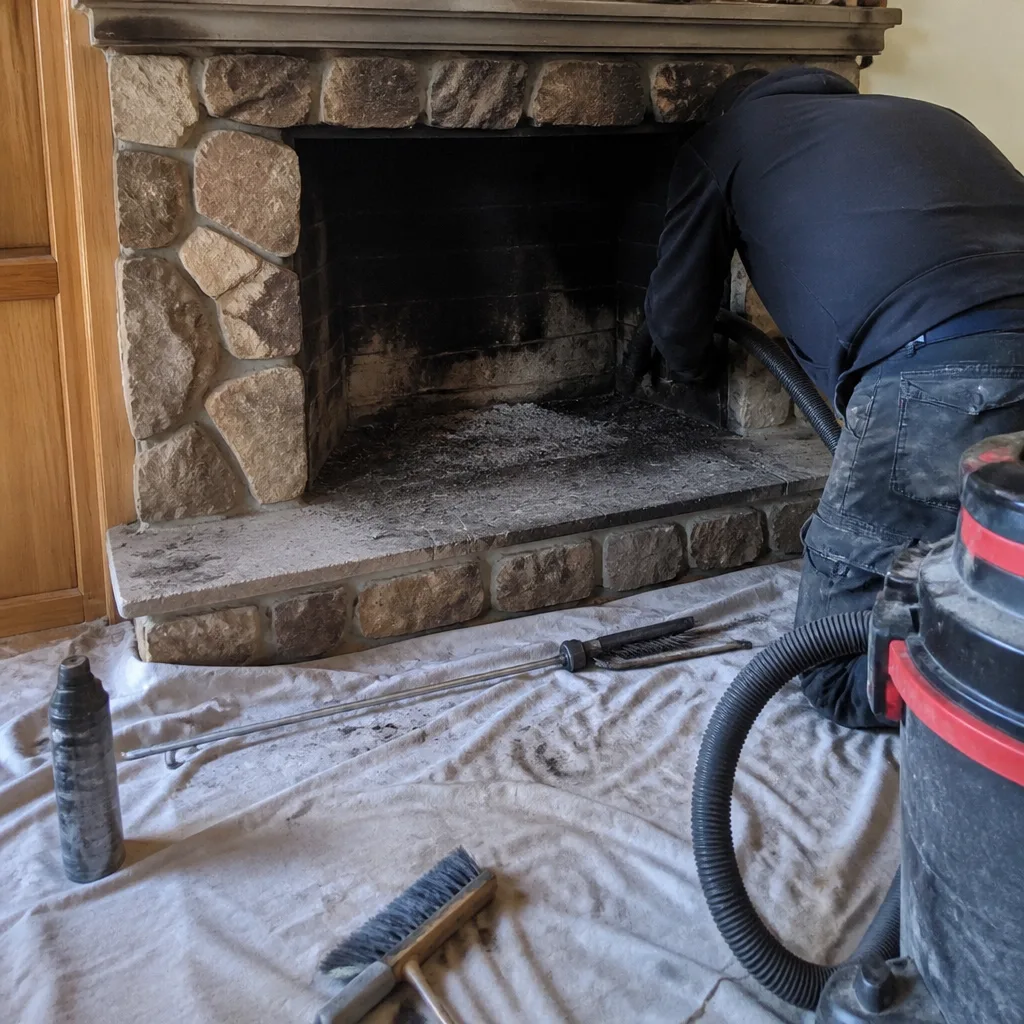 Before
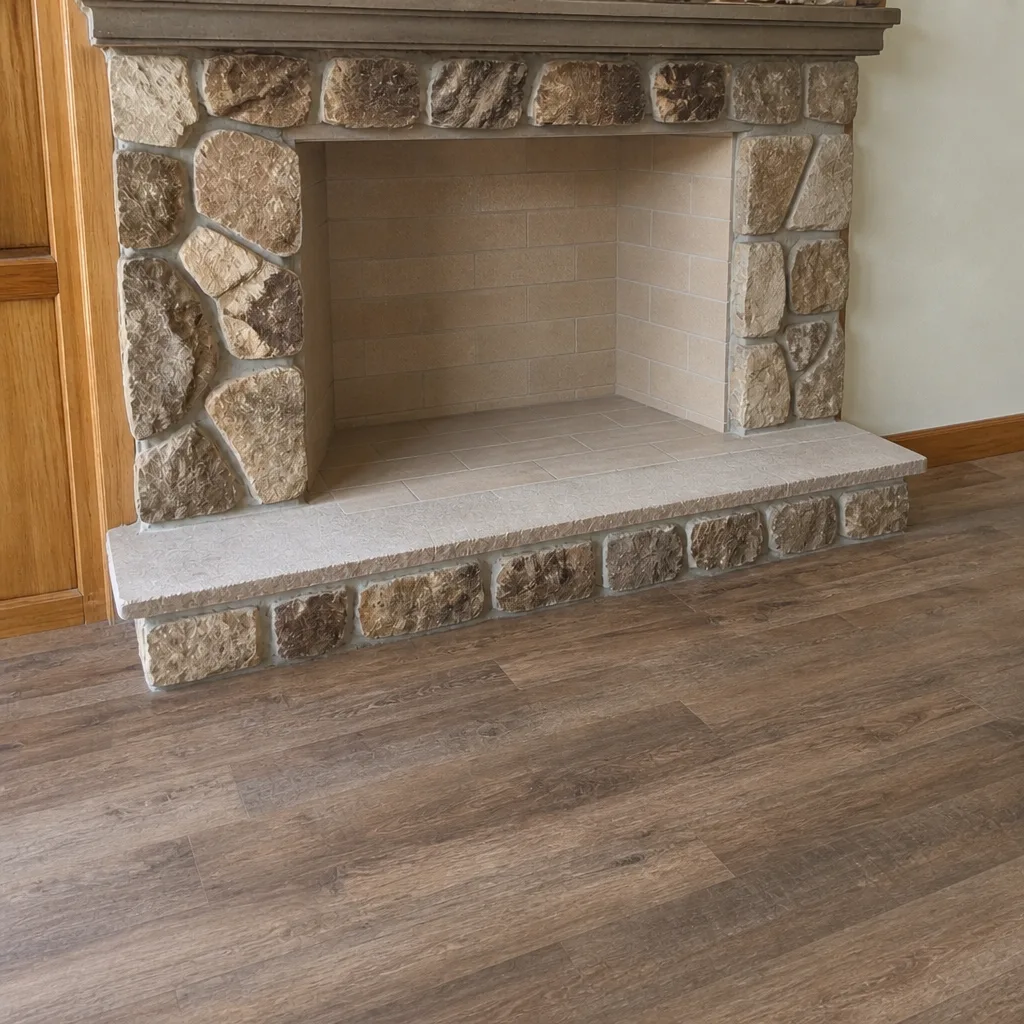 After
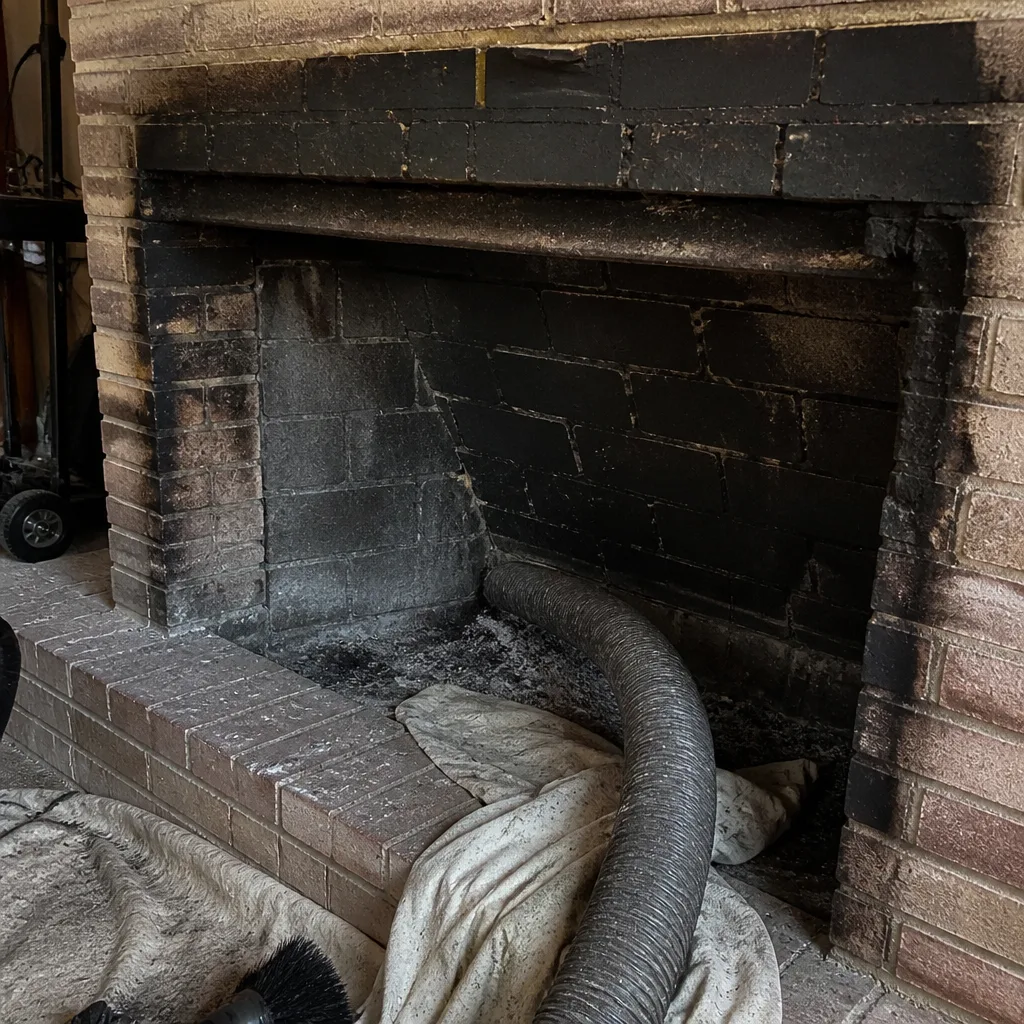 Before
 After
 Before
 After
When to Call a Professional
Some checklist items are jobs for a trained professional, full stop. Call when the camera shows a cracked or separated liner, when smoke backs into the room even after a clean flue, when the cap is loose or missing, or when the damper won’t close. Call when the post-summer check finds a damaged crown or cracked mortar that could run water into the masonry. And call before the burn season if the pre-burn sweep hasn’t been done. These are all jobs on the system that need a camera and the right tools, and they’re all part of what we handle. Chimney Sweep Enterprise offers free estimates in Enterprise, and the estimates are set per job by the written estimate. Call (855) 752-5896. We answer 24/7. Fast dispatch from 7am to 7pm, Sunday through Friday.
Frequently Asked Questions
A chimney in Enterprise should be swept before every burn season, and inspected at least once more after summer. That’s more than the common once-a-year advice, because the local heat and wind create two separate windows a single annual sweep can miss. The safe rule is: sweep before the first fire, inspect after the summer, and check the cap after any significant wind event. Call (855) 752-5896 for an exact quote – estimates are free.
The pre-burn-season sweep is the most important task, because it’s the one that directly prevents a chimney fire and a blocked flue. The post-summer inspection is what gives the sweep its useful targets. If you do nothing else from this list, do the pre-burn sweep, and call us to book it before the cold snaps arrive.
A sweep cleans the flue; a liner inspection is what shows you the inside of it. They’re different services and the checklist needs both. A sweep can’t tell you whether a liner has a gap it brushed straight past, and a camera inspection is what finds that. Our chimney repair service handles resurfacing and repair when the camera shows the liner needs it. Call (855) 752-5896 and we’ll set up the inspection – estimates are free.
Yes, and you should, for the safe ground-level items: the cap, the spark screen, the outside mortar, the smoke at the firebox, and how the fire burns. Anything above the cap or inside the flue needs a professional with a camera. We don’t recommend climbing the roof, in Enterprise or anywhere else. The safe move is to do the ground-level check and call (855) 752-5896 for the camera inspection.
A skipped crown touch-up lets water into the masonry, and water damage moves down the stack a little more each year. The crown is a wear surface and a small touch-up on schedule avoids the masonry repair it becomes otherwise. This is the routine repair that’s easiest to forget and easiest to prevent.
Keep a simple year-by-year log of dates, camera findings, and the products used for any repair – “liner resurfaced with HeatShield,” for example. The photo report from each inspection goes in the log. A buyer’s inspector wants to see a maintained system, and the log is how you show it. We can help you put it together from our reports; call (855) 752-5896 for the details of your next inspection.
The Bottom Line
Maintenance in Enterprise isn’t an annual event; it’s a sequence tied to local heat and wind. Post-summer inspection catches the heat stress. The pre-burn sweep clears the creosote before the first fire. The mid-season cap check catches the wind damage before it becomes a blocked flue. The post-season damper test closes the year and feeds the service log. Keep the crown touch-up on the list every year, keep the ground-level checks to the safe items, and log the camera findings as you go. A chimney treated as a system, maintained on its own local schedule, is a chimney that behaves. We’re Chimney Sweep Enterprise, and we’re in the chimney trade only – sweep, repair, and inspect, all from one specialist. For a free estimate in Enterprise, call (855) 752-5896.
Written by the team at Chimney Sweep Enterprise.