
Last updated November 16, 2026
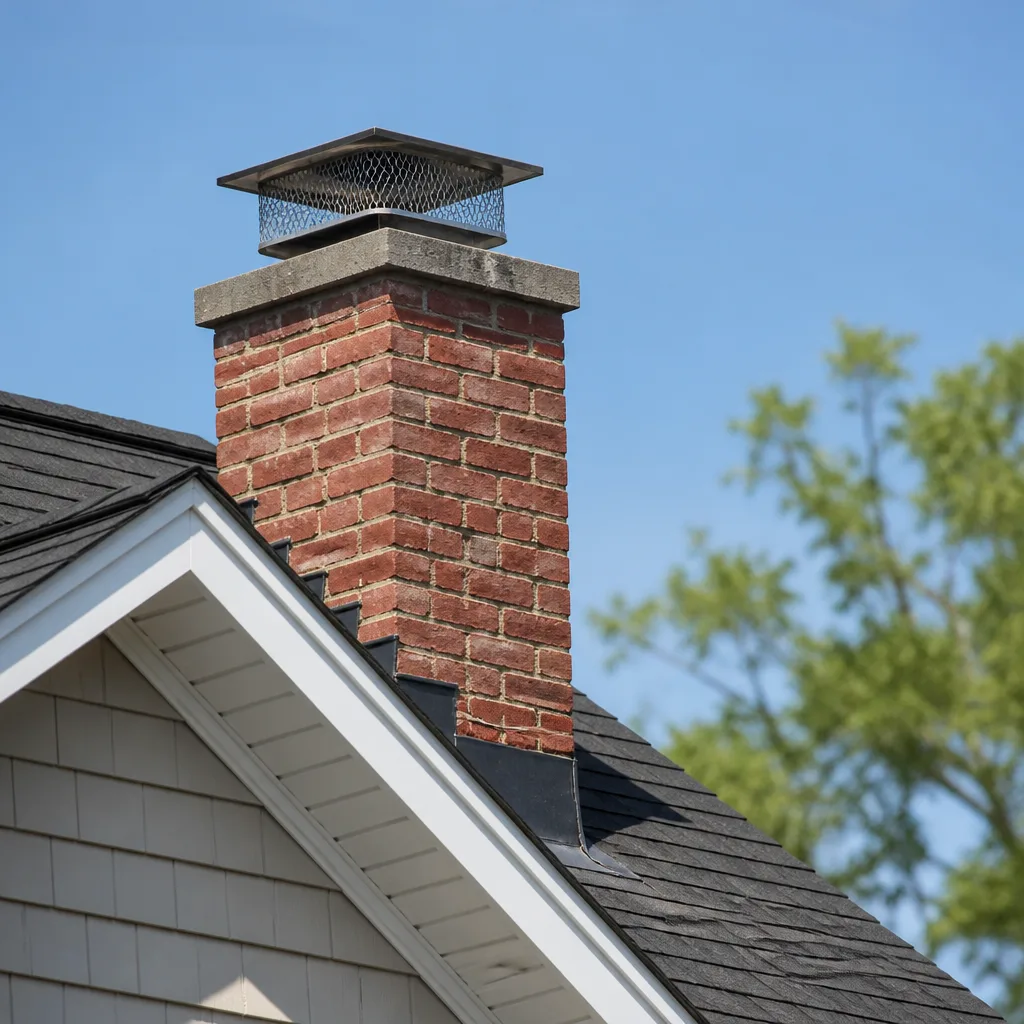 Sweep & inspection
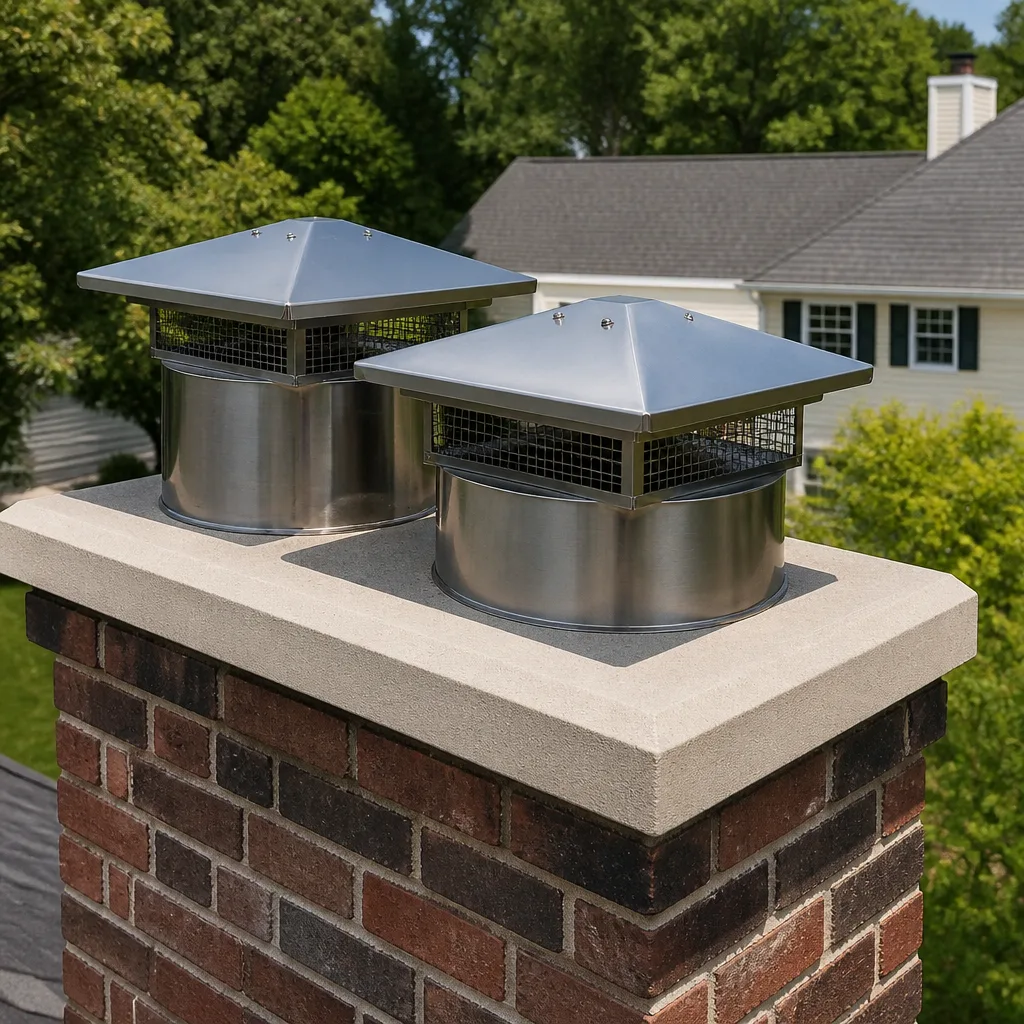 Caps & crowns
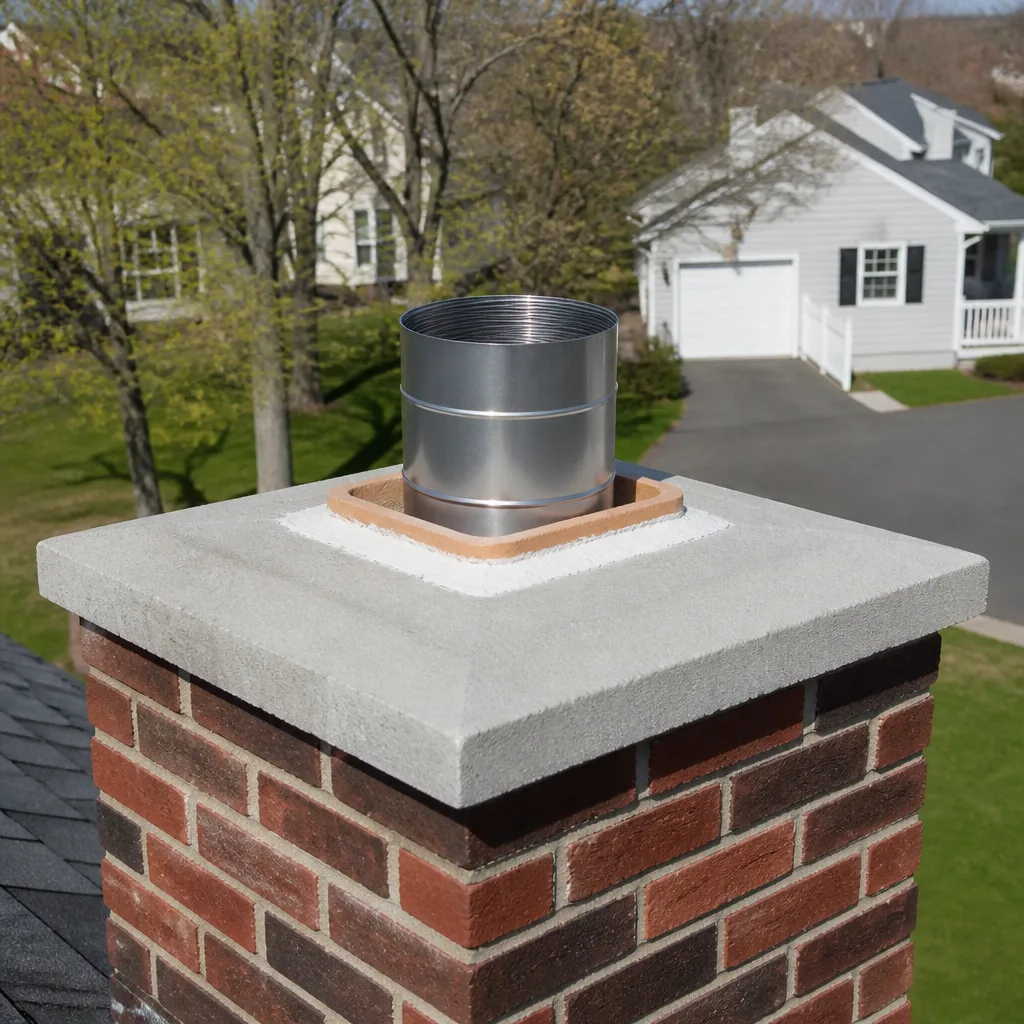 Flue relining
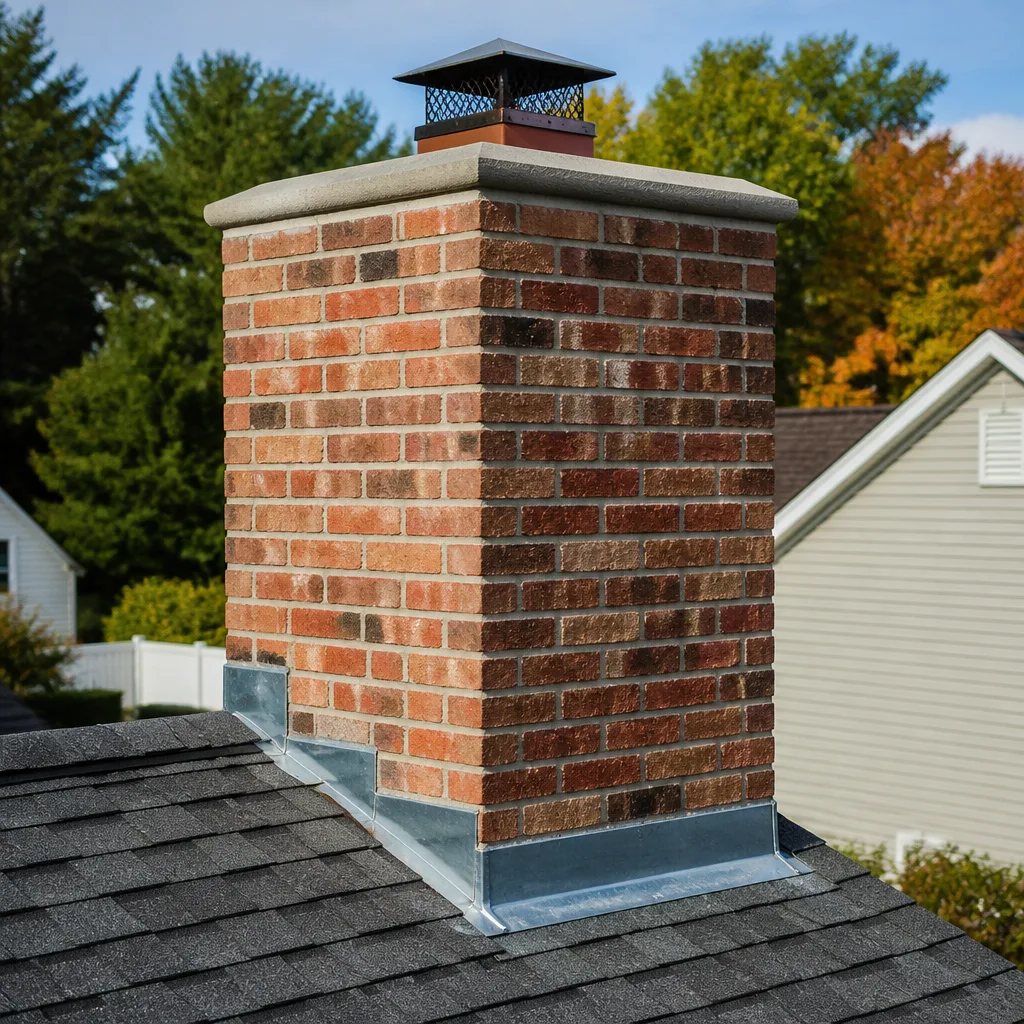 Masonry repair
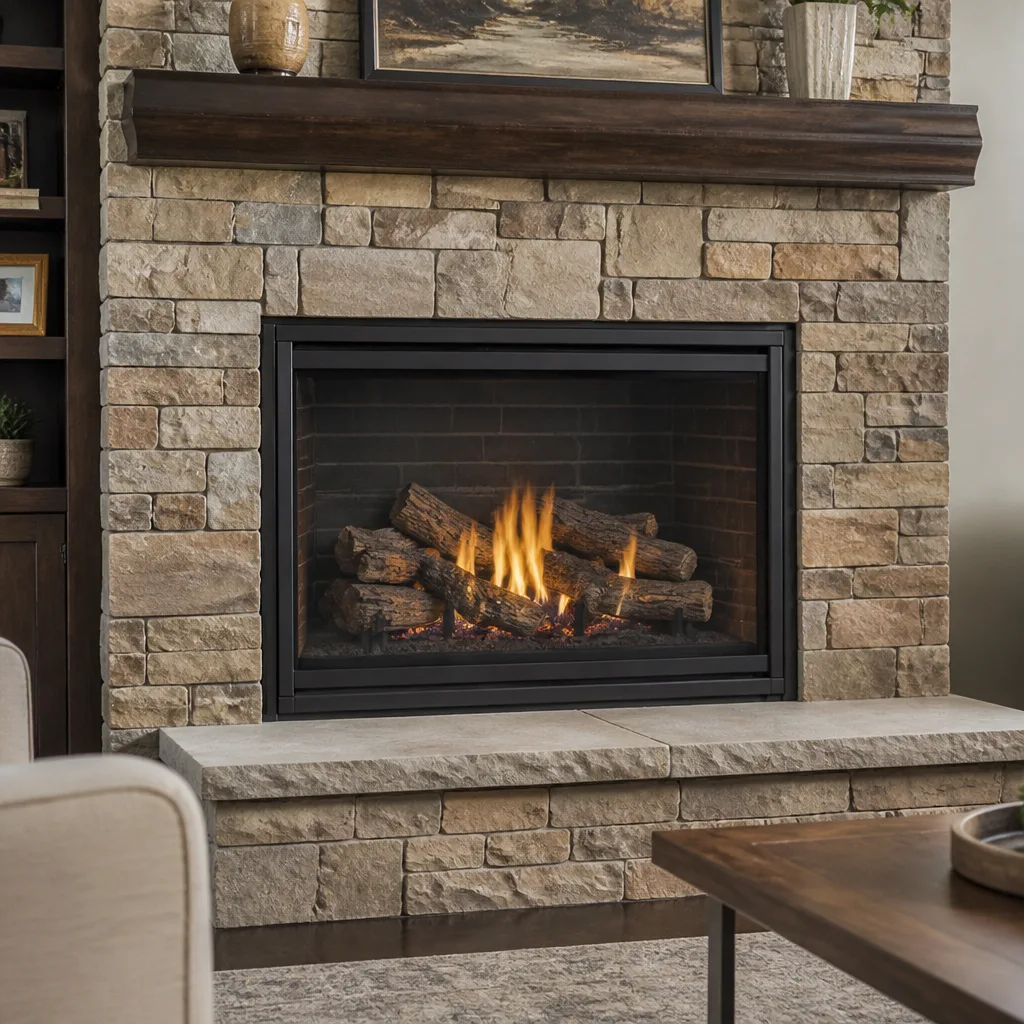 Gas fireplace service
Level 1 sweep and inspection to the NFPA 211 annual standard - flue, crown, cap, and flashing checked and photographed
Chimney sweep logs do not sweep chimneys. They loosen some creosote - which then falls where a brush and vacuum still have to collect it.
Chimney Cleaning Permits, Codes & Inspections in Enterprise, NV: What You Need to Know
A standard chimney sweep almost never needs a permit. That surprises people, and it’s the point where most homeowners stop asking questions. The moment a flue liner goes in, a firebox gets rebuilt, or a gas insert gets set into an existing chimney, the paperwork changes. Clark County treats those as construction work on a building system, and unpermitted construction has a way of resurfacing at the worst possible time – during an insurance claim investigation or an escrow file. This guide lays out where the line sits in Enterprise, how NFPA 211 fits into permit review, and when a Level 2 inspection becomes something you can’t skip.
Quick Answer
In Enterprise, a routine chimney cleaning does not require a permit – it’s maintenance, not construction. Structural work such as a liner replacement, firebox rebuild, masonry repair, or the installation of a gas fireplace or insert does fall under Clark County Development Services permit review, and NFPA 211 is the standard those reviewers reference when they look at a chimney system. A Level 2 CSIA inspection becomes functionally required in real estate transactions, insurance claims, and post-fire assessments.
Styles & brands we work with
- Sweep & inspection
- Caps & crowns
- Flue relining
- Masonry repair
- Gas fireplace service
Table of Contents
- Where Does a Chimney Cleaning Permit Start and Stop in Enterprise?
- What Does Clark County Development Services Actually Require?
- How NFPA 211 Governs Chimney Work and Permit Review
- When Is a Level 2 CSIA Inspection Required?
- Gas Fireplaces and Inserts: The Permit You Can’t Skip
- How Permit Records Protect You at Resale
- What Enterprise Desert Conditions Do to Inspection Findings
- The Three CSIA Inspection Levels, Explained
Where Does a Chimney Cleaning Permit Start and Stop in Enterprise?
Permits follow scope, not cost. A cleaning that removes creosote and soot from an existing flue is maintenance on a system that’s already there, and maintenance doesn’t require a building permit. That’s true whether the chimney serves a wood-burning fireplace, a wood stove, or a gas appliance. Nobody at the county needs to review a brush going down a flue.
The dividing line is whether the work changes, replaces, or adds a component of the chimney system. Once you cross it, you’re in permit territory. Here’s how that breaks down in practice:
- No permit typically needed: a routine sweep, a Level 1 inspection, a chimney cap replacement, a damper check, crown cleaning.
- Permit typically required: a flue liner installation or replacement, firebox or smoke chamber rebuild, masonry repair, chase modification, and any new or replacement gas appliance vented through the chimney.
Notice where a chimney cap sits on that list. Swapping a cap is a surface-level component change, not an alteration to the flue itself, so it generally doesn’t pull a permit. Resurfacing the inside of that flue with a product like HeatShield is a different conversation, because it’s a structural repair to the flue lining. That’s the kind of distinction we walk customers through before any work is booked, and it’s the reason a chimney repair estimate should always say plainly whether a permit is part of the job.
One honest caveat: permit thresholds are set locally and they can be interpreted differently depending on how a project is described on the application. The scope of your specific job, as written on the permit application, is what governs – not a general rule you read online, including this one. Ask the county before work starts. It’s a phone call, not a project.
What Does Clark County Development Services Actually Require?
Clark County Development Services is the permitting authority for unincorporated Enterprise. Most of the community sits outside Las Vegas city limits, which means county permitting rules apply rather than city rules. That matters because homeowners sometimes assume their address follows city process, and then a contractor files with the wrong jurisdiction.
When you file, the county reviews the chimney as part of the building envelope and its venting system. The review looks at a few practical questions:
- What is being changed? A like-for-like liner replacement reads differently on an application than a new appliance installation.
- What standard applies? The application is checked against the adopted mechanical and building code, which references NFPA 211 for chimney and venting systems.
- Who is performing the work? A licensed contractor is generally required for structural changes and for any gas appliance work.
- What does the inspection show? For permitted work, a county inspection usually closes the permit out, and that inspection is where undocumented damage tends to surface.
If a contractor tells you the county “doesn’t care” about chimney work, that’s a contractor telling you something about themselves. Enterprise homeowners filing permits get a paper trail: an application, a scope of work, a final inspection. That trail is the thing that protects you later, and it costs far less than a surprise during a property sale or an insurance claim.
How NFPA 211 Governs Chimney Work and Permit Review
NFPA 211 is the standard for chimneys, fireplaces, vents, and solid fuel-burning appliances. It’s the reference document most inspectors and permit reviewers work from when they evaluate a chimney system, and it covers clearances, liner integrity, vent height, and connector condition. It doesn’t exist in a vacuum – it’s woven into local building and mechanical codes, which is why a chimney that “looks fine” can still fail a review on clearance or liner condition alone.
In our experience, the items that most often show up in a permit review or inspection finding are:
- An unlined or deteriorated clay tile flue that no longer meets clearance requirements
- Missing or compromised chimney caps, allowing water and debris entry
- Improper clearances between the chimney and combustible framing or roofing materials
- Venting arrangements that don’t match the appliance the chimney was originally built for
That last one is common in Enterprise because so many homes have changed hands or had appliances swapped over time. A wood-burning fireplace gets converted to gas, or a new wood stove is dropped into an old flue built for something else, and the venting no longer matches the appliance. When a permit review pulls that apart, the fix is real work – a properly sized liner, for example, or a professionally specified venting component. This is where brand specification matters: a DuraFlex flexible liner or an Olympia Chimney venting component is traceable to a manufacturer and comes with documentation. Anonymous parts from a big-box shelf don’t.
None of this means a standard sweep needs a code review. It means that a code review, when it happens, is measuring your chimney against a real standard – and the results should be explained to you in plain language, with the paperwork behind it.
When Is a Level 2 CSIA Inspection Required?
A Level 2 inspection is required in three situations: a real estate transaction, an insurance claim involving the chimney or a chimney-related loss, and a post-fire assessment. It’s also required after any change to the appliance type or venting system, or after an event that could damage the chimney – a chimney fire, a nearby structure fire, a seismic event.
Level 2 means more than looking up the flue from the firebox. A Level 2 includes video scanning of the interior of the flue, and it covers accessible portions of the chimney exterior, attic, and crawl space. The video is the part that matters, because it shows you what the inspector sees: cracked tiles, gaps in the liner, deteriorated mortar joints, and any discontinuities that a visual check would miss.
Where this becomes functionally required in Enterprise:
- Buying or selling a home. Most purchase contracts give the buyer an inspection contingency, and a chimney is a common point of negotiation. If you’re selling, a Level 2 inspection up front avoids a surprise finding in the eleventh hour. If you’re buying, it’s the difference between knowing what’s behind the firebox wall and guessing.
- Filing a chimney-related insurance claim. Insurance adjusters typically want documentation – what the pre-loss condition was, what the damage is, what caused it. A Level 2 with a photo and video report gives them something to work from. Without it, the claim becomes a negotiation you may not win.
- After a chimney fire or suspected fire. Even a small chimney fire can compromise a flue without a visible symptom from the outside. A post-fire Level 2 is how you know whether the system is safe to use again.
A chimney inspection in Enterprise booked for any of those reasons should include the camera and the written record. That’s the standard we hold ourselves to on inspection work.
Gas Fireplaces and Inserts: The Permit You Can’t Skip
Any new gas fireplace, gas insert, or venting change for a gas appliance requires a permit in Clark County. There’s no shortcut here, regardless of how small the appliance looks or how straightforward the swap seems. Gas appliance installation is regulated work, and it is not the kind of thing a homeowner should have done informally.
Why the rule is so consistent on this point:
- Gas appliance installation involves fuel gas piping, venting, and combustion air – three different code areas in play at once.
- The venting arrangement is specifically matched to the appliance. A mismatch is a carbon monoxide concern, not a cosmetic one.
- The county inspection for a gas appliance is the point where the installation gets verified against the manufacturer’s installation instructions, which are part of the code requirement.
This is worth stating plainly because we’ve had conversations where a homeowner assumed that dropping an insert into an existing firebox was a “swap.” It isn’t. A gas insert is a new gas appliance, and it’s installed by a licensed contractor, permitted, and inspected. We’d rather tell you that on the front end than explain it after the fact.
If you’re weighing whether to convert a wood-burning fireplace to gas, do it as a project. Get the venting specified, get the permit pulled, and let the inspection close it out. Anything less leaves you with an appliance you can’t document and a home you can’t easily sell.
How Permit Records Protect You at Resale
Permit records attach to a property address. When a buyer’s inspector or their attorney pulls county records, the history is visible: what was permitted, what was inspected, what was closed. A clean record is a documentation asset. A gap in the record is a question mark, and buyers negotiate against question marks.
What happens when unpermitted chimney work surfaces during escrow:
- The buyer’s inspector flags the discrepancy. A liner replacement or a gas insert installation with no permit on file reads as unpermitted work, whether or not it was done well.
- The buyer’s lender may require correction. Lenders and their appraisers can require that unpermitted work be brought into compliance before the loan closes.
- You lose negotiating position. Unpermitted work shifts the burden of proof onto the seller, at a time when the seller has the least schedule flexibility.
- Worst case, the deal stalls. Not every escrow survives a midstream permitting issue, and the timeline is rarely in your favor.
The fix is straightforward if it’s planned: get the permit before the work, get it inspected at completion, and keep the closing documents with the house records. If you’re in Enterprise and you’re planning a repair this year, it’s worth pulling your county permit history now, before you’re on a clock. If you find something unpermitted, a Level 2 inspection is the first step toward a documented resolution – and the written report from that inspection tells you whether the work in question is actually a safety concern or just a paperwork gap.
What Enterprise Desert Conditions Do to Inspection Findings
Enterprise is dry, sunny, and prone to high winds and blowing dust. That environment shapes what a chimney inspection finds, and it’s a big reason a scheduled sweep is worth more here than in a wetter climate.
Dust and grit collect in the firebox and on top of the damper. When wind drives dust into a chimney cap that’s slightly out of position, it settles into the flue and can mix with creosote residue, producing a crusty deposit that a standard brush pass handles fine but a neglected chimney won’t. Cracked or deteriorating chimney caps are another common finding, because the sun and temperature swings degrade sealant and masonry over time. Gelco chimney caps are one of the products we specify specifically because the cap is doing the outdoor work in a climate that punishes it – and a well-fitted cap keeps water, dust, birds, and debris out of the flue.
There’s also the seasonal pattern: Enterprise homeowners run their fireplaces in the cooler months, then let them sit for the rest of the year. That idle season is when a small problem becomes a bigger one – a cracked crown, a shifted flue tile, a cap that’s no longer seated. The inspection finds those while they’re still small. That’s not a scare tactic, it’s the whole point of a scheduled check. Waiting until a fire in the firebox smokes back into the room is a late-stage signal.
Wind exposure matters too. Chimney caps, spark arrestors, and vent terminations take a beating in exposed locations, and a cap that comes loose is both a weather intrusion risk and a small obstruction hazard. Any chimney sweep in Enterprise should be checking the cap and the crown at every visit, not just running a brush and leaving.
The Three CSIA Inspection Levels, Explained
CSIA inspections come in three levels, and which one applies depends on what’s happening with the property rather than on how the chimney looks.
- Level 1: A visual inspection of accessible portions of the chimney system, with no tools beyond basic hand tools. This is the routine inspection that accompanies an annual sweep. It’s appropriate when the appliance hasn’t changed and nothing event-related has occurred.
- Level 2: Everything in Level 1 plus video scanning of the flue interior and inspection of accessible portions of the attic and crawl space. Required for real estate transactions, insurance claims, post-fire assessments, changes in appliance type, and after any event that could have damaged the chimney.
- Level 3: Everything in Level 2 plus removal of components when necessary to access concealed areas – for example, removal of a section of crown or an interior wall covering. A Level 3 is not routine; it’s a targeted diagnostic when a Level 1 or Level 2 finding points at something that can’t be seen otherwise.
In practice, the most common thing we see is a homeowner who only ever gets a Level 1 and never sees what the inside of their flue actually looks like. If you’ve never had a Level 2 and the chimney is serving an appliance venting through an older flue, having the video is worth it – you get a record you can hand to a buyer, an insurer, or a permit reviewer.
Common Mistakes to Avoid
- Assuming every repair needs a permit, or that none do. Both assumptions get homeowners into trouble. The line is structural scope, not cost. A cleaning is maintenance; a liner replacement is construction. Ask about the permit upfront, and expect a clear answer.
- Skipping the permit on a gas insert because the work “looks small.” Gas appliance installation requires a permit and a licensed contractor regardless of scope. There is no “quick swap” exemption for fuel gas and venting work.
- Trusting a verbal inspection report. If an inspector can’t show you the video and provide a written report, you’re working on assumption. Ask for the camera footage and the paperwork before any repair is recommended.
- Buying a home with no chimney paperwork. In Enterprise, a home can have decades of undocumented appliance changes. Insist on a Level 2 inspection during your purchase contingency – it’s the only way to know what’s in the flue.
- Assuming the county permit history is empty when it isn’t reviewed. People assume there’s no record because nobody’s ever shown it to them. Pull the address history and see what’s documented before you decide.
- Treating a repair as a cosmetic fix. Chimney repair that doesn’t address the underlying flue condition isn’t a repair, it’s a delay. A HeatShield resurfacing project, for example, is designed to restore flue performance – not to paint over cracked tiles.
- Skipping the sweep because nothing “seems wrong.” The whole point of a scheduled evaluation is to find problems while they’re small. Creosote deposits and deteriorating tiles don’t announce themselves.
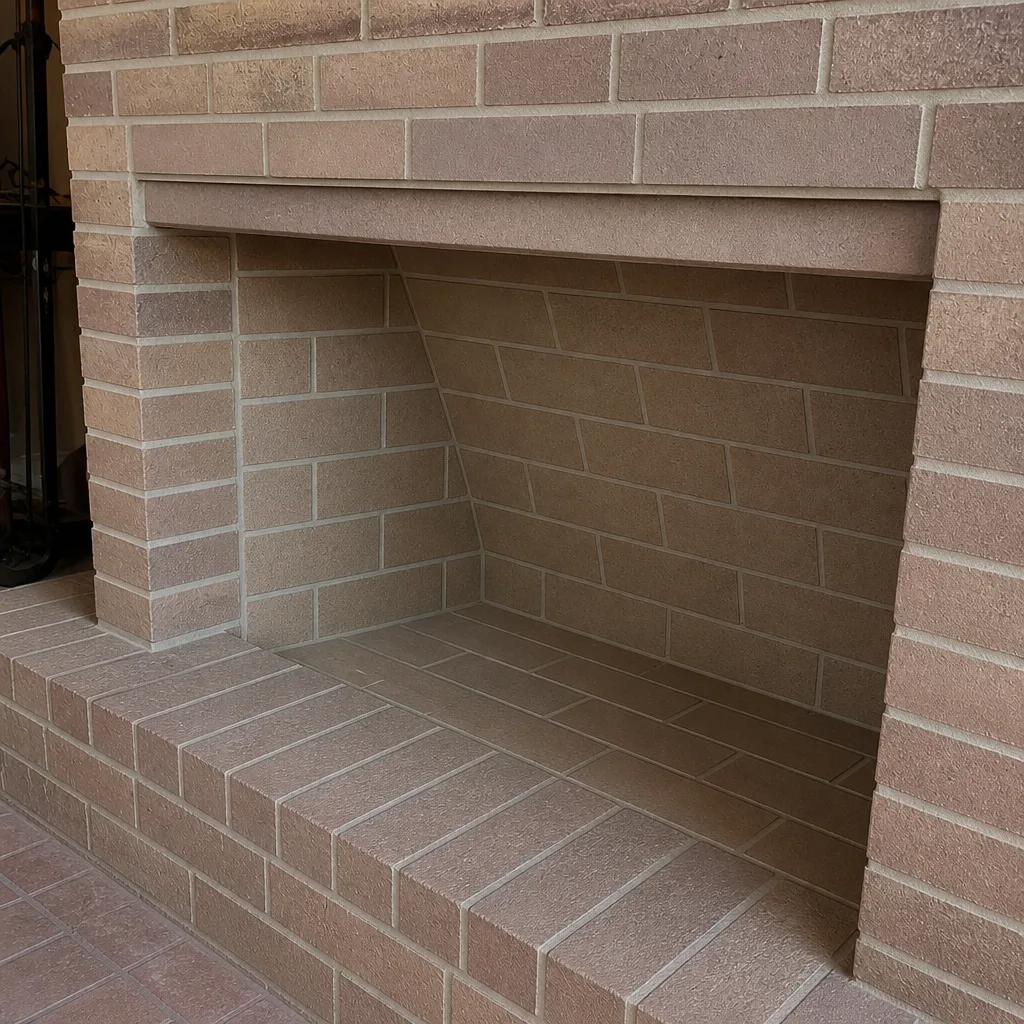
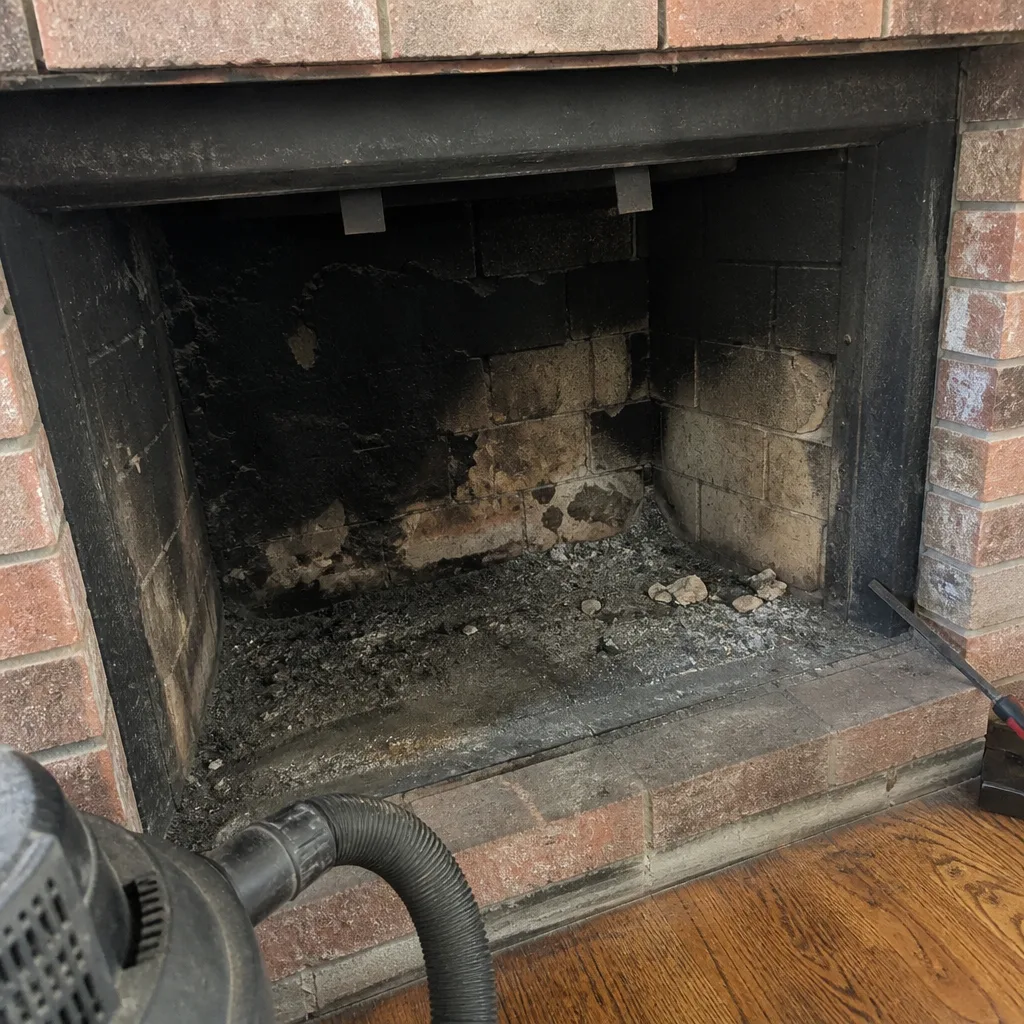
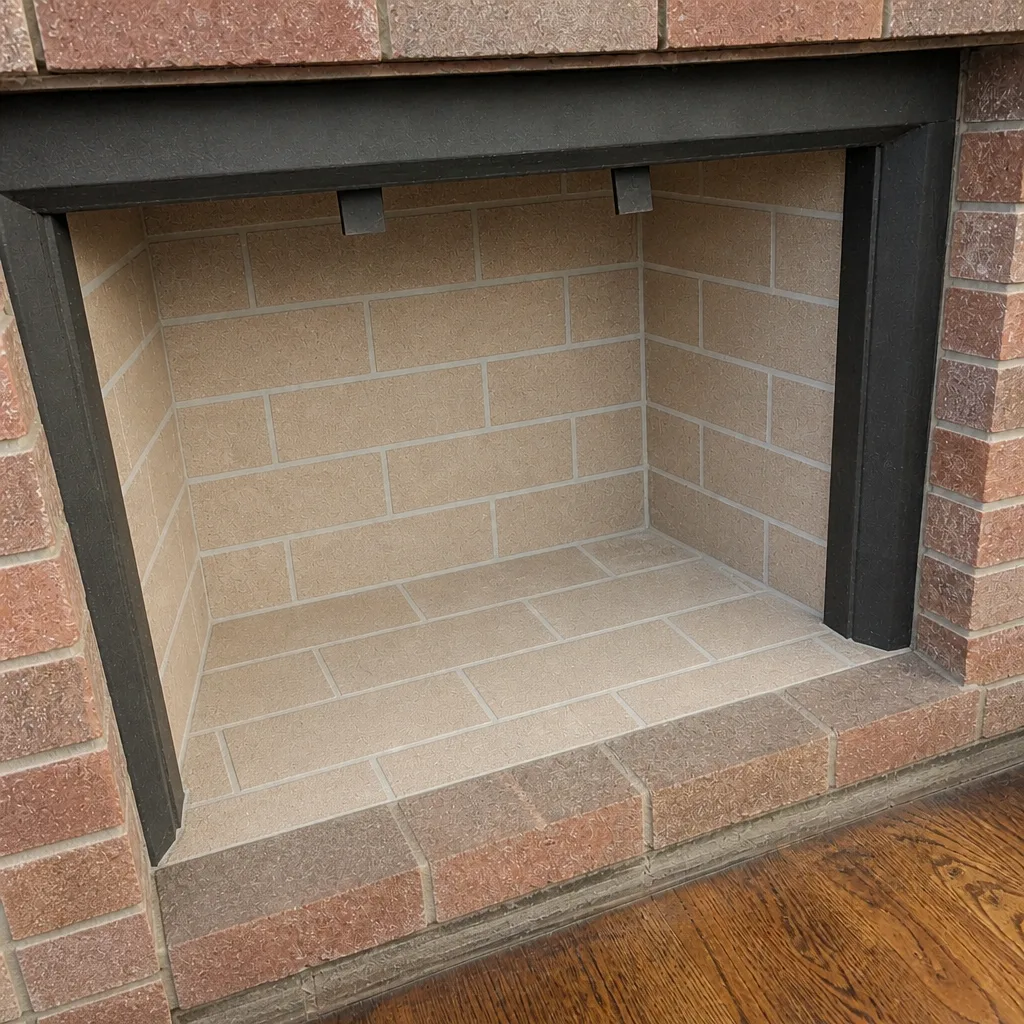
See the difference
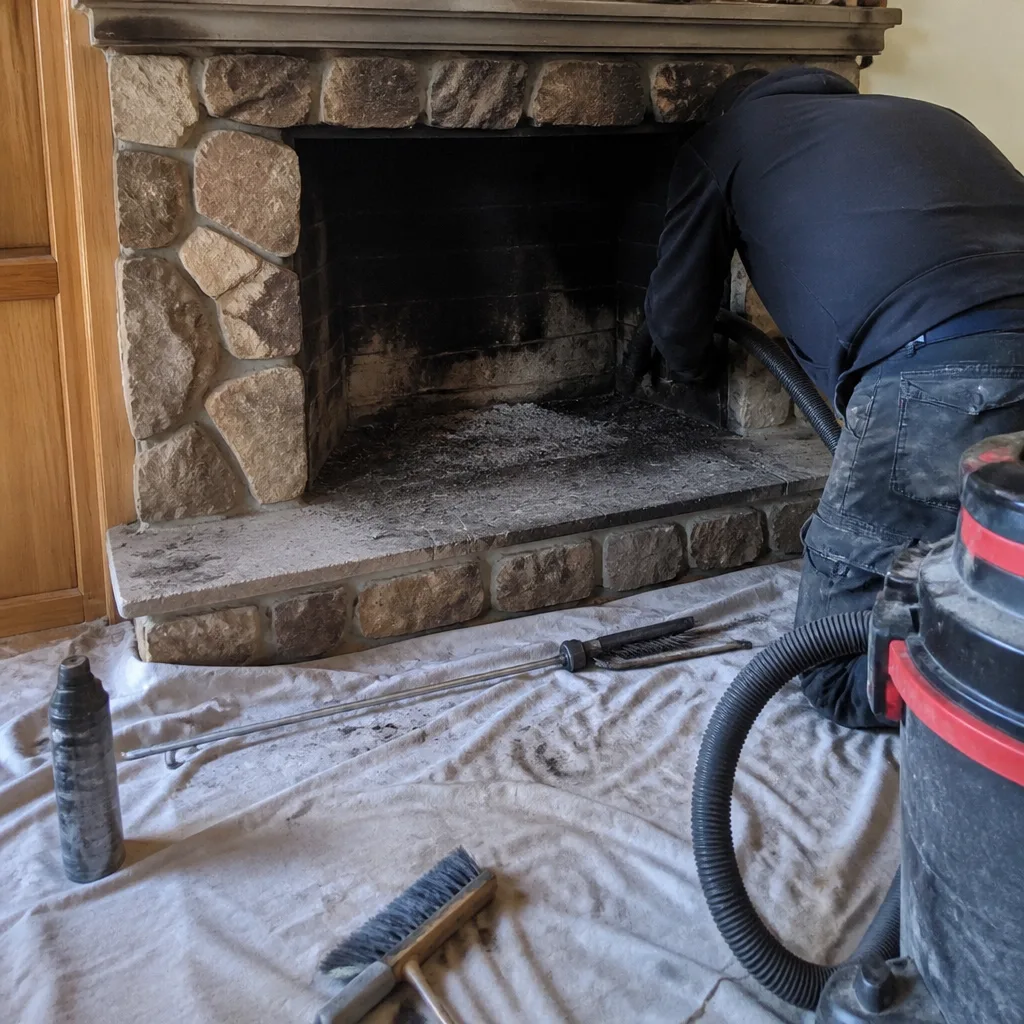 Before
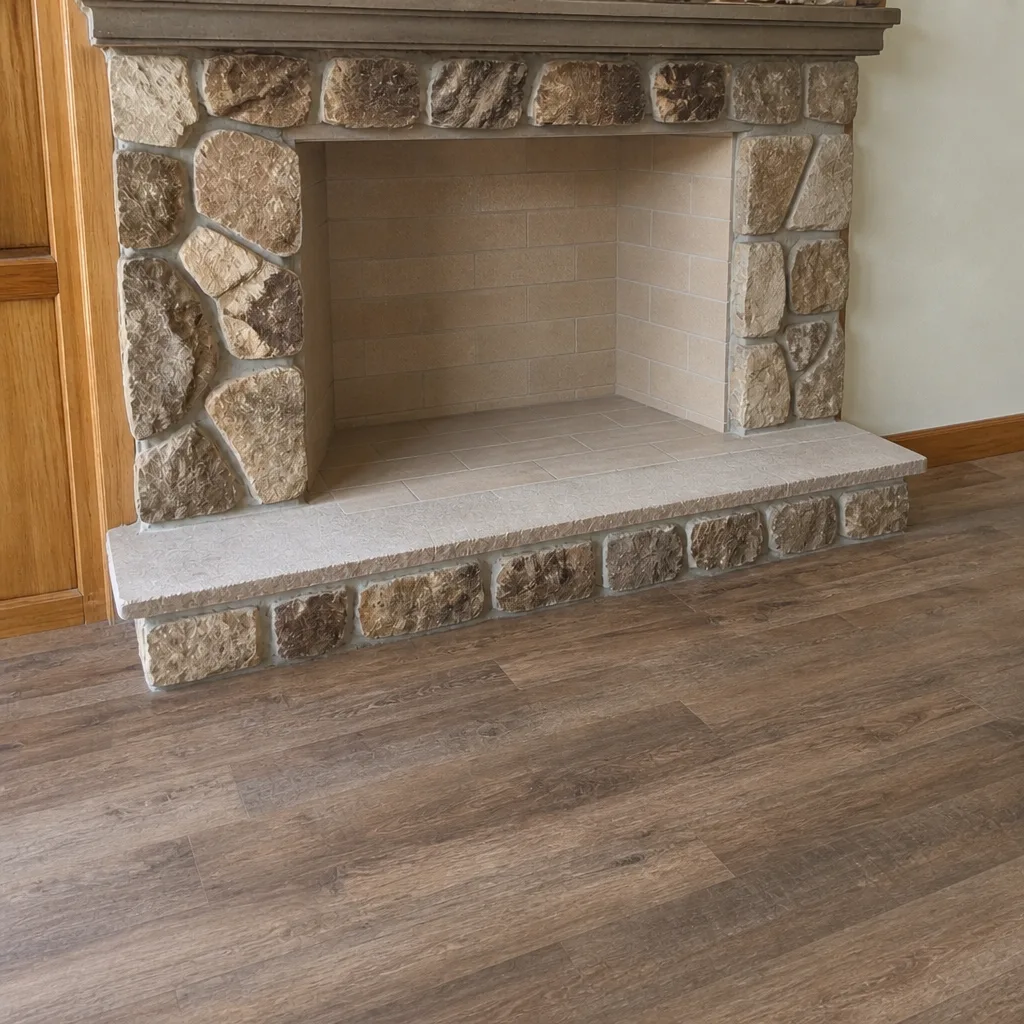 After
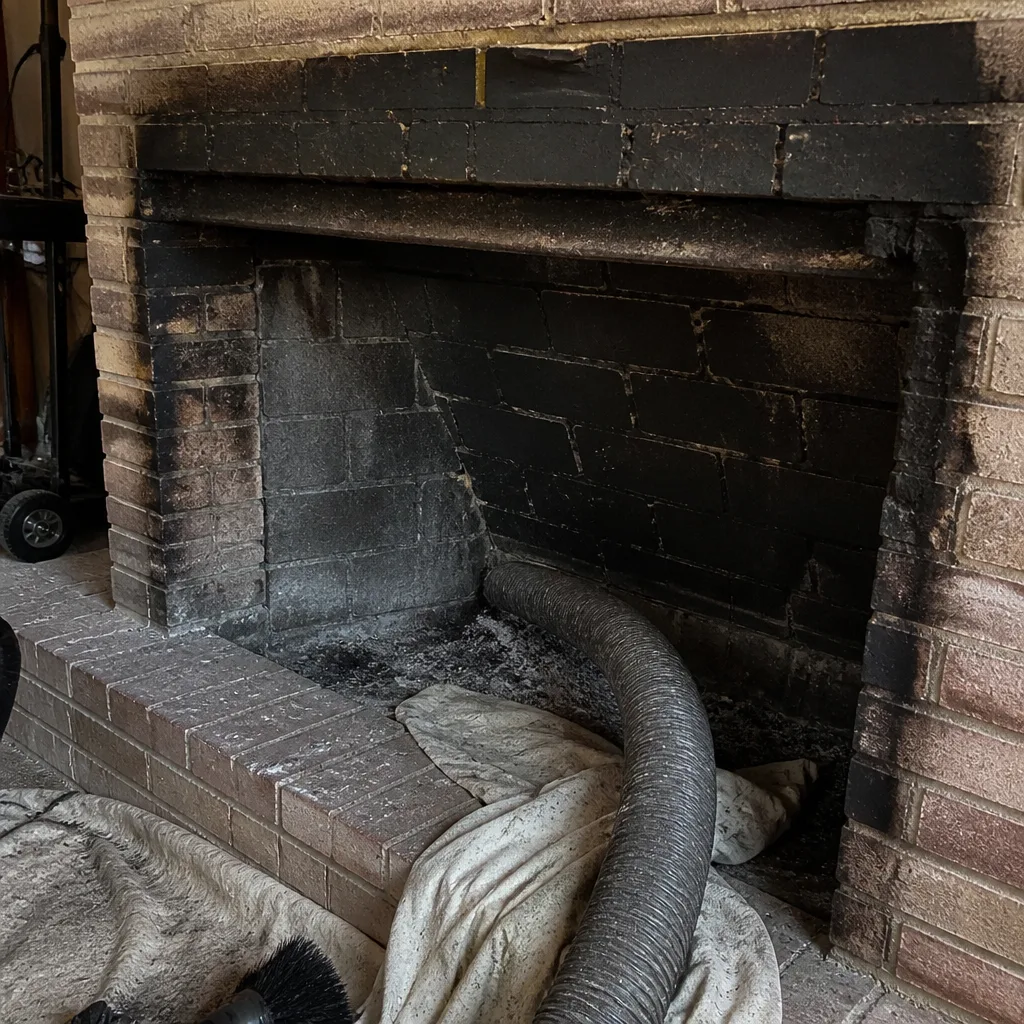 Before
 After
 Before
 After
When to Call a Professional
Call in when you’re buying or selling a home in Enterprise and have no chimney records, when your insurer asks for documentation after a chimney-related claim, or when a permit reviewer is asking you for a Level 2 inspection report. Call in after any chimney fire, even a small one, before the fireplace goes back into service. Call in when a gas appliance is being installed or converted, because that work requires a permit and a licensed contractor. And call in for the routine annual sweep, because the routine visit is how you avoid the emergency one.
Chimney Sweep Enterprise offers free estimates in Enterprise – call (855) 752-5896. Our technicians have up to experience, and every recommendation is grounded in a camera inspection and a written report you can keep with the house records. We answer 24/7, and dispatch runs 7am to 7pm, Sunday through Friday.
Frequently Asked Questions
No. A routine chimney cleaning in Enterprise is maintenance and does not require a permit. Permits attach to structural changes – liner replacement, firebox rebuild, masonry repair, or new gas appliance installation – not to a sweep. If a contractor tells you otherwise, ask exactly what scope of work they’re describing.
Usually yes. A liner replacement changes a component of the chimney system, which puts it under Clark County Development Services permit review as construction work. It’s also the kind of permit that turns a homeowner’s insurance claim from a fight into a documented process. Confirm the scope with the county before work starts, or have your contractor confirm it in writing. Call (855) 752-5896 for a free estimate on liner work in Enterprise.
NFPA 211 – the standard for chimneys, fireplaces, vents, and solid fuel-burning appliances – is the reference document most permit reviewers and inspectors work from in Clark County. It’s adopted into local building and mechanical codes, which is why a chimney can fail a review on clearance or liner condition even when it “looks fine.”
A Level 2 CSIA inspection is required in three core situations: a real estate transaction, an insurance claim involving the chimney, and a post-fire assessment. It’s also required after any change in appliance type or venting system. A Level 2 includes video scanning of the flue interior and a written report – which is what you want in hand when a buyer, an adjuster, or a permit reviewer asks for chimney documentation.
It surfaces during the buyer’s inspection and shifts the negotiating burden onto the seller. Buyers can require correction, lenders can require compliance before a loan closes, and the timeline is rarely in the seller’s favor. Getting permits on the front end is a low-cost way to avoid a mid-escrow problem. If you suspect unpermitted work in Enterprise, a Level 2 inspection is the first step toward resolving it. Call (855) 752-5896 for a free estimate.
Yes. A gas insert is a new gas appliance, and gas appliance installation in Clark County requires a permit and a licensed contractor regardless of scope. The existing firebox doesn’t change that – the insert has its own venting requirements and combustion air requirements, and the county inspection verifies both against the manufacturer’s installation instructions.
Look for manufacturer-traceable products: DuraFlex for flexible liner systems, HeatShield for flue resurfacing, Olympia Chimney for venting, and Gelco for chimney caps. Traceable products come with documentation, and documentation is what a permit reviewer, an inspector, or a buyer actually accepts. Generic parts from a retail shelf don’t carry that paper trail.
The Bottom Line
A chimney cleaning in Enterprise is maintenance and needs no permit. A liner replacement, firebox rebuild, or gas insert installation is construction work under Clark County Development Services, and NFPA 211 is the standard those reviews use. Skip the permit and the gap shows up later – at resale, on an insurance claim, or in a county inspection. A Level 2 inspection gives you documentation that a buyer, adjuster, or permit reviewer accepts. Sweep, repair, inspect – all from one specialist, with professional-grade materials specified by name. Built to last, not just to pass inspection.
Chimney Sweep Enterprise handles all three service categories – cleaning, repair, and inspection – under one company, so the findings from a camera inspection are acted on by the same team that did the inspection. No referrals out. For a documented, permit-aware approach to chimney work in Enterprise, call (855) 752-5896 for a free estimate. We answer 24/7. Fast dispatch from 7am to 7pm, Sunday through Friday.
If you’re ready to book, our chimney sweep team will confirm scope, permit requirements, and inspection level before any work is scheduled. To check our full-service coverage in Enterprise, or to review repair options on our chimney repair page, or to start a Level 2 walkthrough, head to Chimney Sweep Enterprise and call (855) 752-5896. We answer 24/7 for scheduling questions, and dispatch runs 7am to 7pm, Sunday through Friday.
Written by the team at Chimney Sweep Enterprise.