
Last updated November 16, 2026
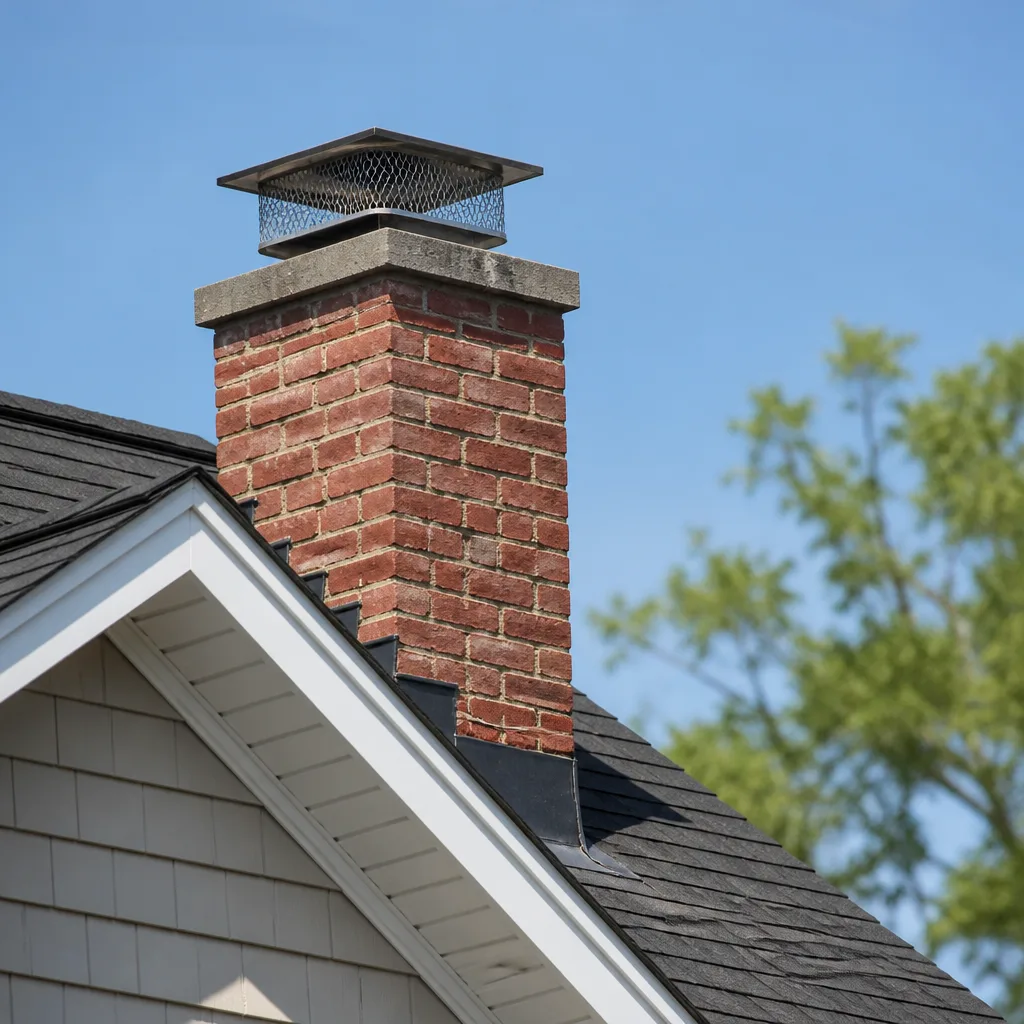 Sweep & inspection
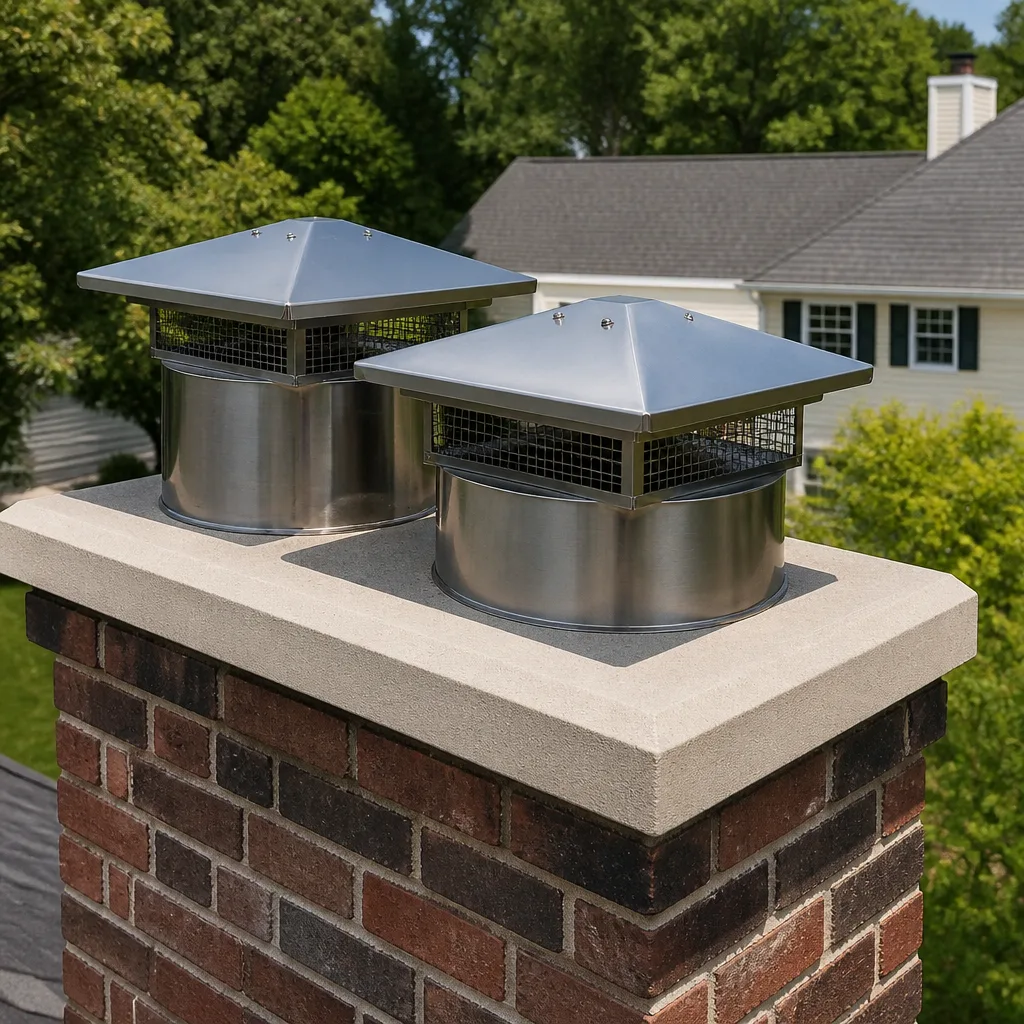 Caps & crowns
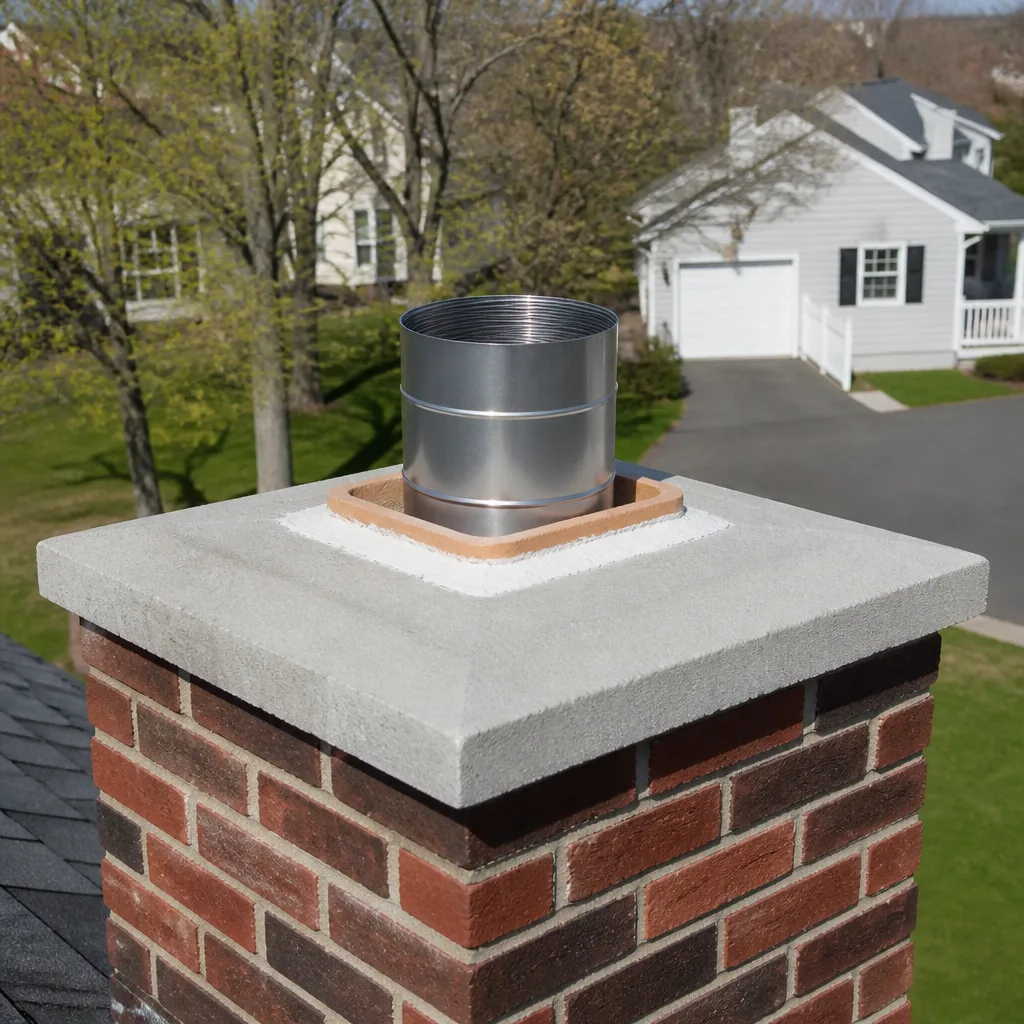 Flue relining
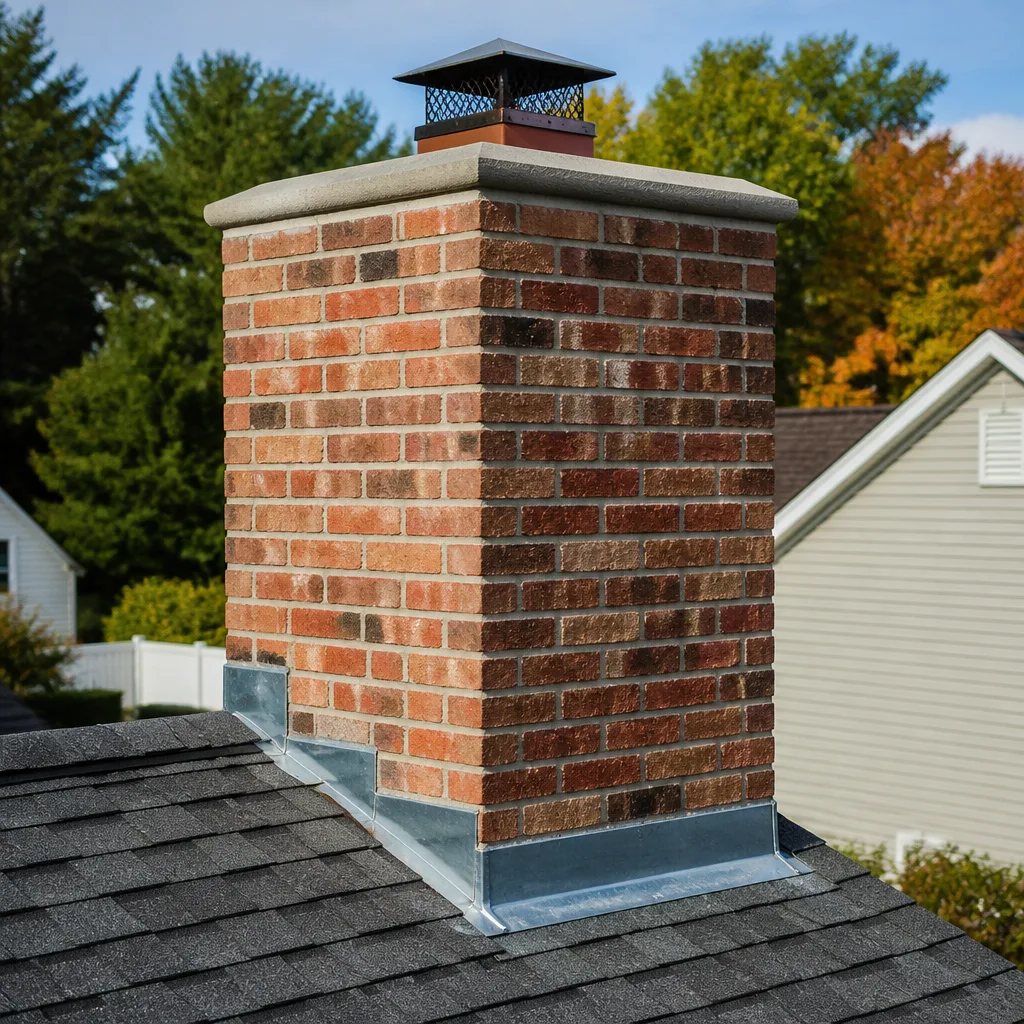 Masonry repair
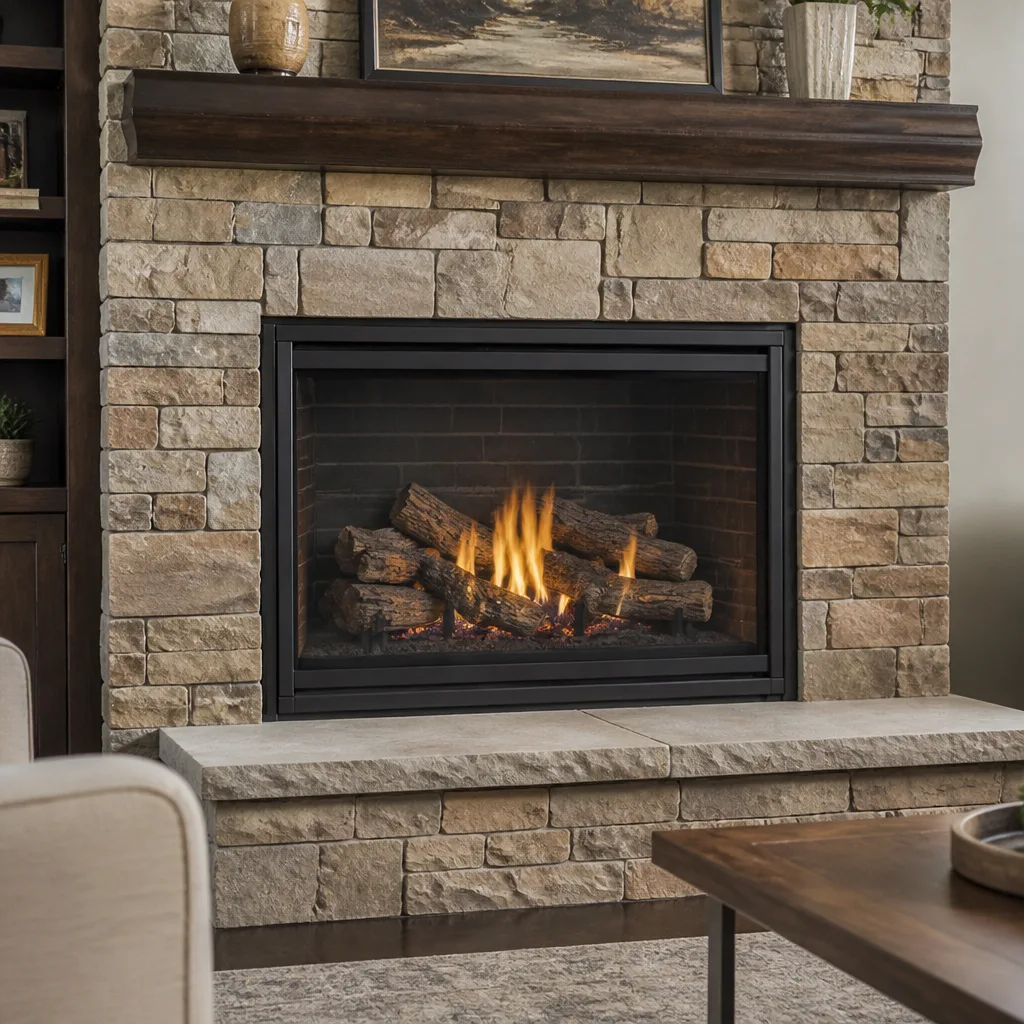 Gas fireplace service
Level 1 sweep and inspection to the NFPA 211 annual standard - flue, crown, cap, and flashing checked and photographed
Chimney sweep logs do not sweep chimneys. They loosen some creosote - which then falls where a brush and vacuum still have to collect it.
Choosing the Right Chimney Cleaning Brand: A Buyer’s Guide for Enterprise
There are chimney products sold at big-box retail and there are chimney products that certified sweeps order through industry distributors. They are not the same products, they don’t perform the same way, and they aren’t meant to solve the same problems. Most online buyer’s guides blur that line by listing hardware-store brands next to professional-grade lines as if they were interchangeable. This guide draws a hard line between consumer products and the professional-grade materials a specialist actually specifies, breaks the category down by what each product type is for, and shows you how to verify that the brand named on an estimate is the brand that ends up in your chimney. If you own a wood-burning fireplace, gas fireplace, or wood stove in Enterprise, knowing which tier of product solves your problem is how you spend money intelligently.
Quick Answer
The right chimney cleaning brand depends on the problem you’re solving, not on a single “best” label. For routine sweeping and creosote removal, consumer products are legitimate. For liner repair, resurfacing, smoke chamber work, and crown repair, the materials that hold up are professional-grade lines specified by name: HeatShield, DuraFlex, Gelco, Olympia Chimney, Famco, and Copperfield. The distinction that matters is whether a specialist can name the product, the manufacturer, and the listing behind it.
Styles & brands we work with
- Sweep & inspection
- Caps & crowns
- Flue relining
- Masonry repair
- Gas fireplace service
Table of Contents
- Which Product Category Solves Which Problem?
- Consumer-Grade vs. Professional-Grade: Where the Line Is
- Why Brand Specification Signals Accountability
- How to Verify the Brand You Paid For
- CSIA and UL Listings: Why They Matter for Insurance
- What a Desert Climate Does to Chimney Materials in Enterprise
- When a Product Won’t Save You
Which Product Category Solves Which Problem?
Chimney products get marketed as a single blurry category. In practice they split cleanly by the part of the chimney system they address, and buying the wrong category is the most common way homeowners waste money. Here’s how the categories break down by use case.
- Liner repair and relining: HeatShield resurfacing and DuraFlex flexible liner systems. Liner work addresses a cracked or deteriorated flue interior and, on the relining side, a flue that needs a new continuous liner. These are professional-installed products, not homeowner-applied.
- Smoke chamber repair: Smoke chamber products, such as those in the Smoky Mountain Saver category, smooth and seal the sloped chamber above the firebox. This is a fire-safety repair, not a cleaning product.
- Crown repair: Crown repair materials, including Chimney RX in the crown category, seal the concrete cap that sheds water away from the chimney structure.
- Creosote treatment: Consumer-accessible chemical treatments such as Rutland and Anti-Creo-Soot help condition and loosen creosote buildup between professional sweeps. They support sweeping; they don’t replace it.
- Caps, ventilation, and specialty parts: Gelco chimney cap products, Famco ventilation components, and Copperfield specialty parts. These are the hardware tier of the system.
Notice the pattern. Cleaning and conditioning products are consumables. Repair and relining products are permanent components of your chimney system with a service life measured in decades. Treating the two as the same purchase is what leads to homeowner-applied patches that fail within a season and get paid for twice. Sweep. Repair. Inspect. All from one specialist is the model that keeps those categories in the right hands, and it’s the reason we name the brand on every repair line rather than describing a general type of part.
Our technicians have up to experience, and in that time the lesson holds: the version of a repair that lasts is almost always the version that used the correct category of product for the part, not the cheapest product in the wrong category.
Consumer-Grade vs. Professional-Grade: Where the Line Is
You can legitimately apply some chimney products yourself. You cannot legitimately apply others, and it isn’t a sales tactic to say so. The difference is about prep, conditions, and tooling, and it separates into three tiers.
- Tier one: homeowner-applicable consumables. Creosote treatments and basic brushing tools fall here. They support a cleaning routine and can help between professional sweeps. They are not repairs.
- Tier two: professional-installed hardware. Chimney caps, ventilation components, and specialty parts. The part is the same part, but correct sizing, secure seating, and proper clearances need a person who does this every day, especially where wind loads and seasonal dust are a factor.
- Tier three: professional-only structural materials. HeatShield resurfacing and DuraFlex liner systems belong here. These require a flue that’s been cleaned and prepped to a specific condition, measured, and then applied or installed to manufacturer specification. The reason these products have a service life worth paying for is that the prep and application conditions were met. Applied to a dirty flue or with a shortcut in the process, they don’t perform.
Here’s the useful rule: if the product becomes a permanent part of your chimney system, it isn’t a do-it-yourself purchase. If it cleans or conditions, it can be. Anything that calls for a specific prep condition, or that carries a manufacturer specification a retailer can’t confirm, belongs to a professional. We use HeatShield and DuraFlex because it’s what professionals specify for longevity, not lowest upfront cost, and because those product systems come with an application standard that a consumer-only purchase can’t provide.
That line is also the reason a genuine specialist can tell you when work can safely wait. If a category-two part just needs replacing and a category-three repair can wait a season, that’s useful information you won’t hear from someone selling you the most expensive line available.
Why Brand Specification Signals Accountability
A contractor who can name the product they’re using, and who names it before the work begins, is a fundamentally different kind of accountability than one who says “we use standard materials.” Standard materials is not a brand. It’s an absence of a claim.
Naming the product gives you three things: traceability, a manufacturer’s published specification you can read, and a record you can check. If you’re told a resurfacing job will be done with HeatShield, you know what to expect on the invoice. If you’re told a lining job will use DuraFlex, the product name is on the paperwork and on the container. If someone says “standard materials,” there’s nothing to verify and no manufacturer’s standard to hold anyone to.
This is part of why we specify the brands we do. Gelco chimney cap products, Famco ventilation components, and Copperfield specialty parts aren’t anonymous substitutes because we can point to a traceable product behind each one. Copperfield and Olympia Chimney supply lines give trade-account access to professional product tiers, which is a different thing from what sits on a retail shelf. When a repair is specified by name, you’re not just buying the part. You’re buying the manufacturer’s standard that the part came with.
Famco and Olympia Chimney round out the professional tier. Six recognized industry suppliers is a meaningful number when the alternative is walking into a retail aisle and picking whatever box fits. It means the product tiers we work from are the ones the trade orders, not the ones marketed to the weekend shopper.
How to Verify the Brand You Paid For
You don’t have to take a brand name on faith. There are concrete things to check, and the point of writing them down is that verification should be easy, not a research project.
- Ask for the brand and product line on the written estimate, before work is booked. HeatShield, DuraFlex, Gelco, Famco, Copperfield, and Olympia Chimney are names. If the estimate says “lining materials” or “standard parts,” ask again for the specific product line.
- Check the container and the packaging at the work site. The product container or label is the closest thing to a receipt for what actually went in. If the named brand isn’t there, that’s your cue to pause and ask.
- Look for the manufacturer listing on the product or its documentation. A professional product will identify its maker. If there’s no brand on the packaging, it isn’t a brand-specific install.
- Ask whether the issue is detected by camera first, where it can be. Verification starts before the product. If the problem isn’t visible on camera, don’t accept a specification for a product you can’t see a reason to need. You should be shown the evidence, not told you have to trust it.
- Keep the invoice and the product documentation together. If a question comes up later about a repair, the brand and product line on the invoice is the record that resolves it.
Verification has a limit and it’s worth being honest about. Some installs are not visible from a homeowner’s vantage point. HeatShield resurfacing and DuraFlex systems live inside the flue, so the proof of what was specified comes from the written estimate, the invoice, and the product documentation rather than from a visual inspection after the fact. If a company can’t or won’t state the brand before the work starts, that’s the answer to your question. Specifying by name is the transparency.
CSIA and UL Listings: Why They Matter for Insurance
Not every product on the market carries a listing from a recognized testing body. CSIA and UL listings are the two that matter most, and the difference between a listed product and an unlisted one has a practical consequence: insurance.
A UL listing means the product has been tested to a published safety standard by Underwriters Laboratories. A CSIA-affiliated product or process ties back to the Chimney Safety Institute of America, the body that sets the professional standard for chimney work. When a product carries one of these listings, it’s a documented safety claim, not a marketing claim. When it doesn’t, you’re relying on the seller’s word.
Here’s where this matters for homes in Enterprise and across Clark County. Nevada’s dry, windy conditions put special stress on chimney components, and chimneys get worked on year-round. If a covered loss occurs and an insurer reviews the cause, a repair done with an unlisted product or an install that doesn’t match manufacturer specification can complicate a claim. A listed product with the documentation behind it is far easier to stand behind in that conversation.
In practice, that means asking about a listing before a repair, not after. For a lining or resurfacing job, ask which product will be used, whether it carries a UL or CSIA-linked listing, and whether the manufacturer’s specification will be followed. If the answer is clear, you’ve got a product worth paying for. If the answer is vague, the product is probably vague too.
What a Desert Climate Does to Chimney Materials in Enterprise
Enterprise’s dry air, seasonal wind, and wide temperature swings work on chimney materials in ways that a buyer’s guide written for a wetter part of the country gets wrong. Selecting the right brand isn’t only about fire safety. It’s about whether the product will still be doing its job in five or ten years.
Heat and dry air are hard on concrete and sealant. The crown, the mortar joints, and the interior lining all take a beating from thermal cycling, and a product specified for a damp, cold climate won’t necessarily perform the same way here. HeatShield resurfacing and DuraFlex liner systems are selected for their material stability under repeated heating and cooling, which is why they’re specified for professional installs in the first place. Gelco caps and Famco ventilation components matter for the same reason: they control airflow and shed seasonal debris, which keeps the chimney working the way it should.
Dust and wind load also change what a cap has to withstand. A chimney cap that doesn’t seat correctly or that’s undersized for local wind conditions can fail or loosen, and a loose cap on a chimney lets weather and debris in. That’s the practical argument for specifying a real cap product rather than a generic cover, and for having a specialist check that the seating and clearances are right.
Our technicians have up to experience working in Southern Nevada, and the pattern is consistent: the repairs that last in this climate are the ones where the product was chosen for the conditions, installed to specification, and then inspected. The repairs that don’t last are the ones specified generically and applied without prepping the surface. Same amount of money, very different outcome.
When a Product Won’t Save You
There’s a point where no product, at any tier, fixes the problem and a professional inspection has to come first. High-tension chimney components are genuinely dangerous, and a structural failure in a flue is not something to experiment with.
Creosote buildup that’s reached the hardened, glazed stage is a chimney-fire risk. Chemical treatments and brushing help with ordinary creosote, but a glazed heavy buildup is a professional-sweep problem and may point to a condition a product can’t correct. A cracked or deteriorated flue liner is another. Once the flue interior has failed, the question isn’t what product to apply. It’s whether the flue can be relined or resurfaced at all, and that’s a judgment that belongs to a specialist who can see the interior, not to a homeowner looking at a retail shelf.
Anything involving compromised structure, a smoke chamber that’s failing to contain combustion products, or carbon monoxide concerns needs a trained professional on site. If there’s any chance of a gas appliance or a flue involved in a carbon monoxide issue, get professional help immediately. This is not a do-it-yourself repair, and no product recommendation changes that.
Common Mistakes to Avoid
- Buying a professional category of product at retail. A retail shelf may carry a similar-sounding item, but the product tier that holds up to the manufacturer’s standard is the professional one. The wrong tier usually means paying twice.
- Accepting “standard materials” as an answer. If the estimate doesn’t name the brand and product line, there’s nothing to verify. Ask for the name before you book, not after.
- Letting a smoke chamber repair get treated as a cleaning job. Smoke chamber failure is a fire-safety repair. A cleaning product won’t correct it, and treating it as one leaves the danger in place.
- Skipping the camera inspection because the sweep “looked fine.” In a dry desert climate, interior damage isn’t visible from the firebox. Evidence you can see should come before a recommendation.
- Ignoring the cap and ventilation hardware. In a windy, dusty climate, a cap that’s undersized or loose is a real problem. Specify a real cap product and have the seating checked.
- Assuming a repair quote is urgent. Some jobs need doing soon and some can safely wait a season. Ask which. A specialist should tell you plainly, and nothing should be recommended without camera evidence you’ve seen.
- Forgetting to keep the product documentation. The invoice and manufacturer paperwork are what you show to an insurer if a question ever arises. File them with your home records.
Each of these mistakes is avoidable with one habit: ask for the name before you say yes. That single question turns a vague purchase into a verifiable one, and it’s the same question a good specialist expects to be asked.
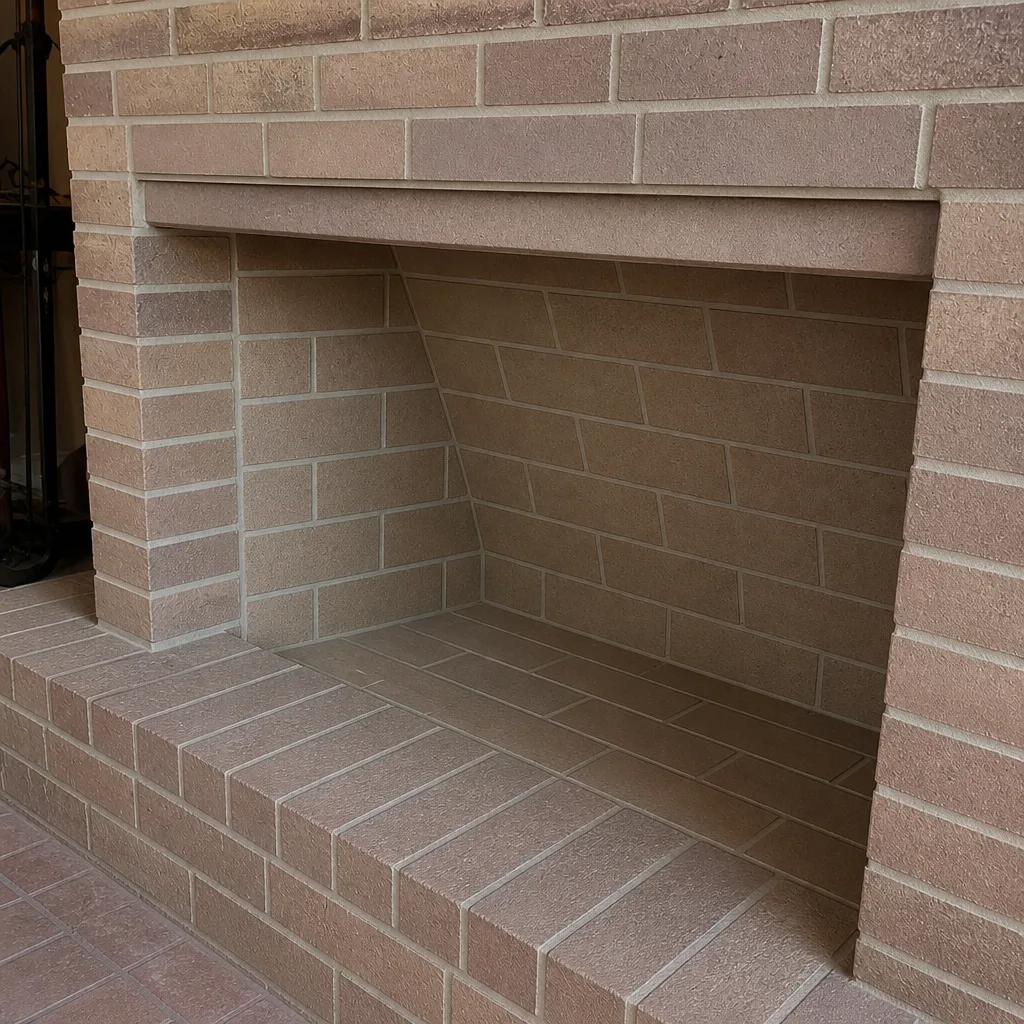
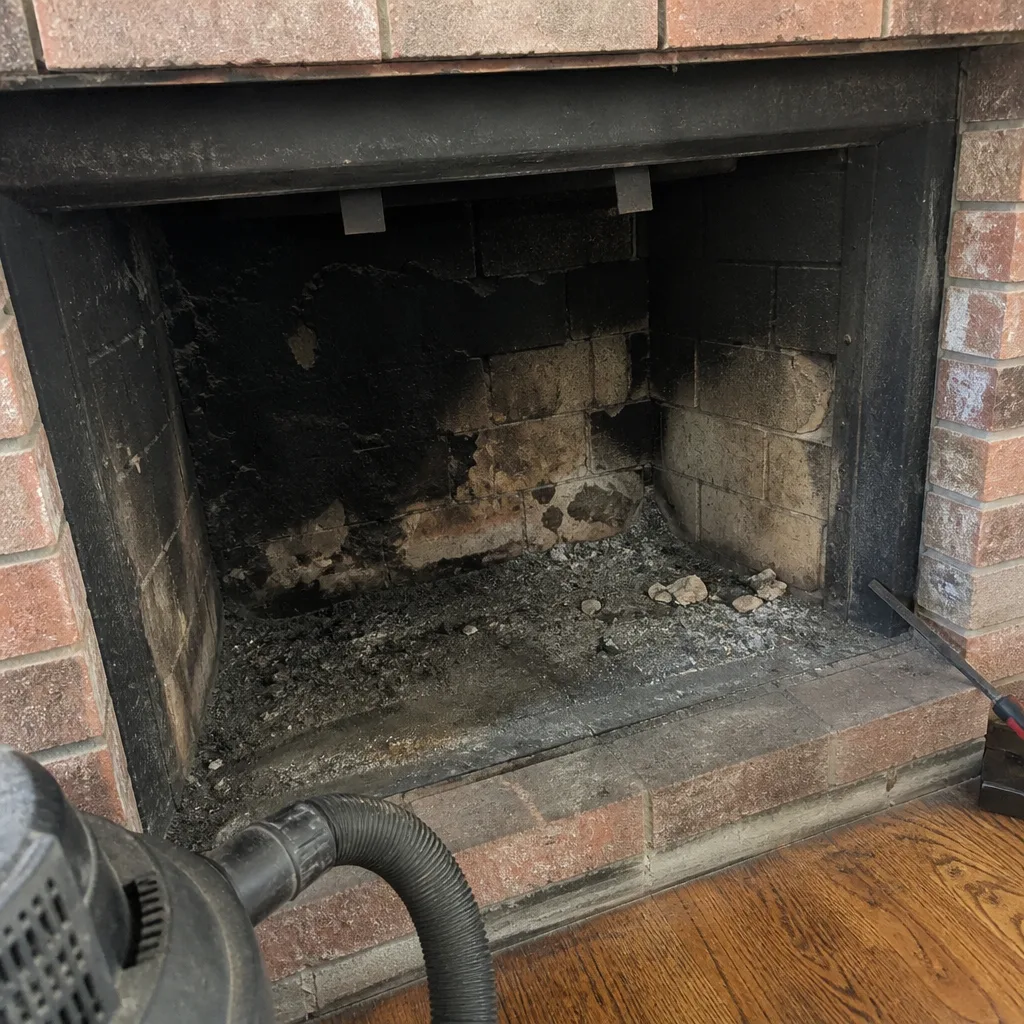
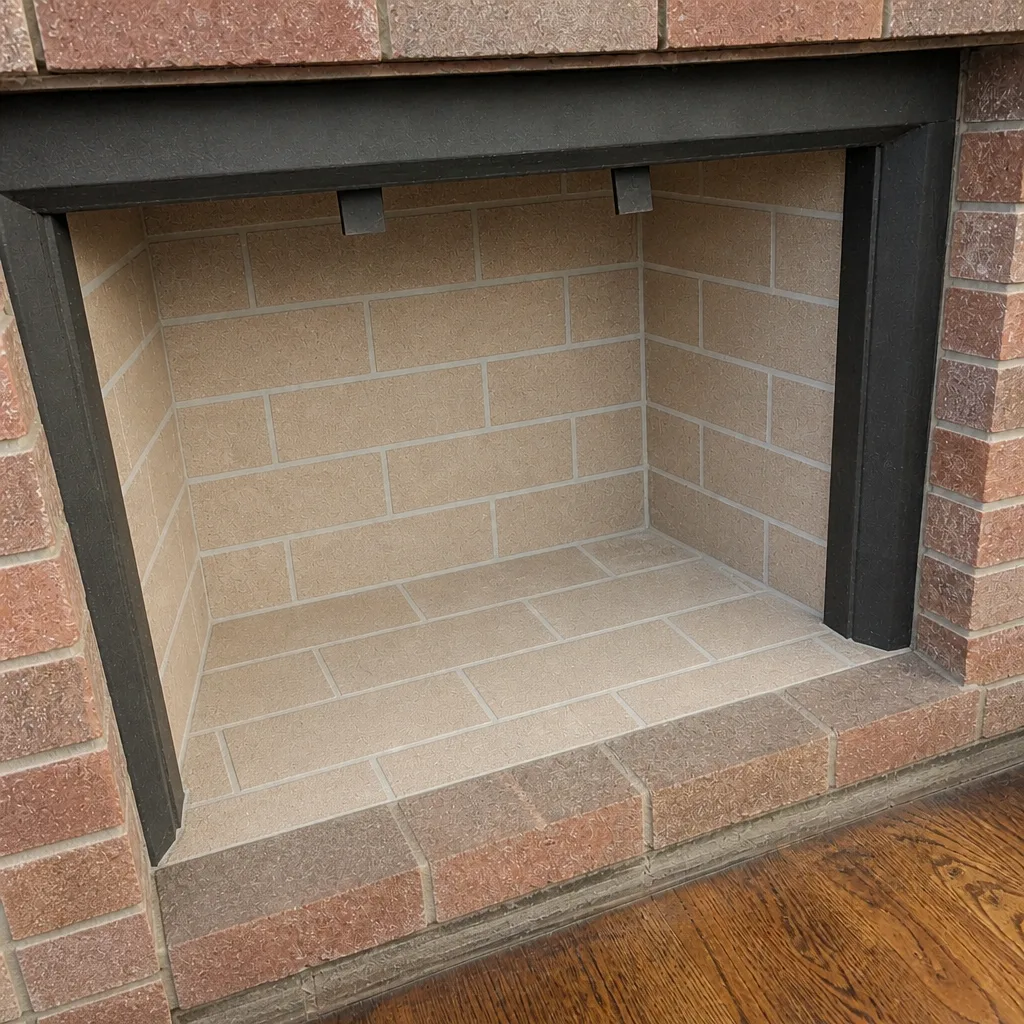
See the difference
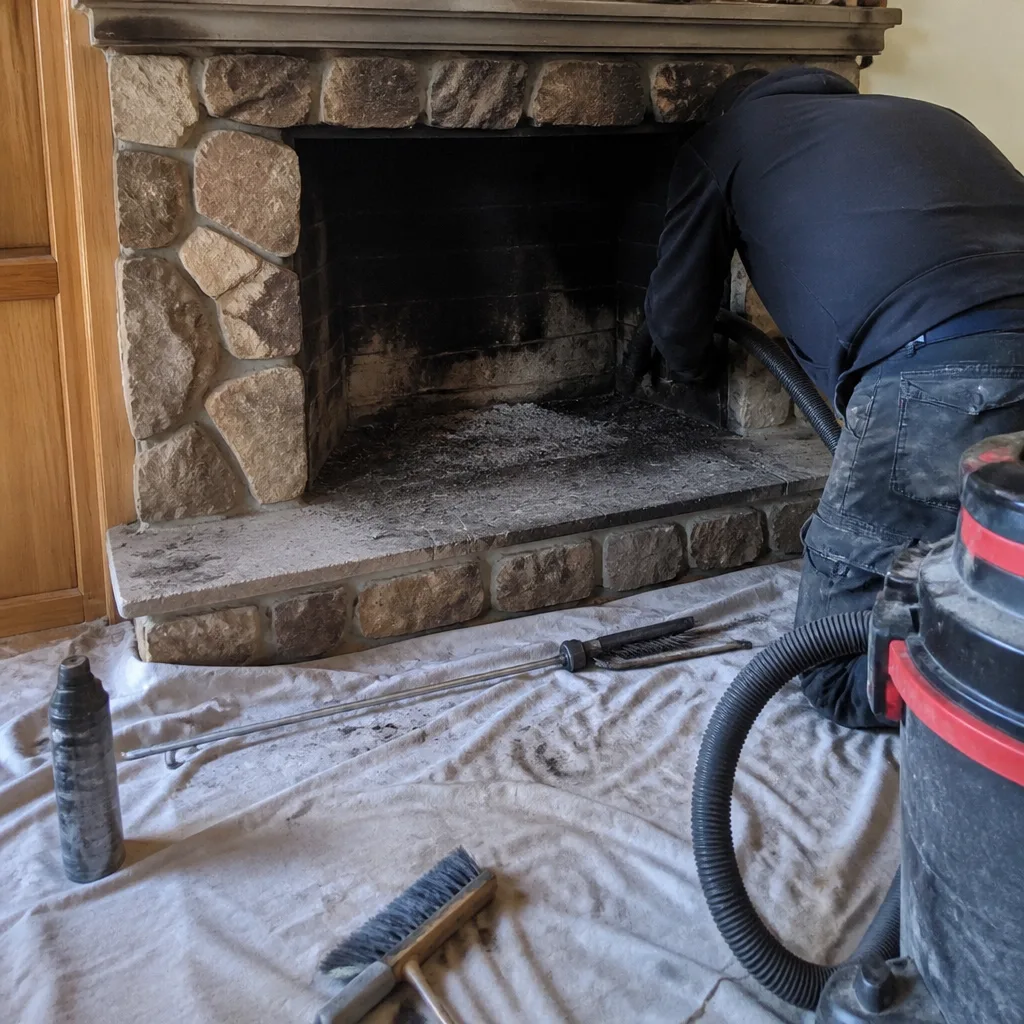 Before
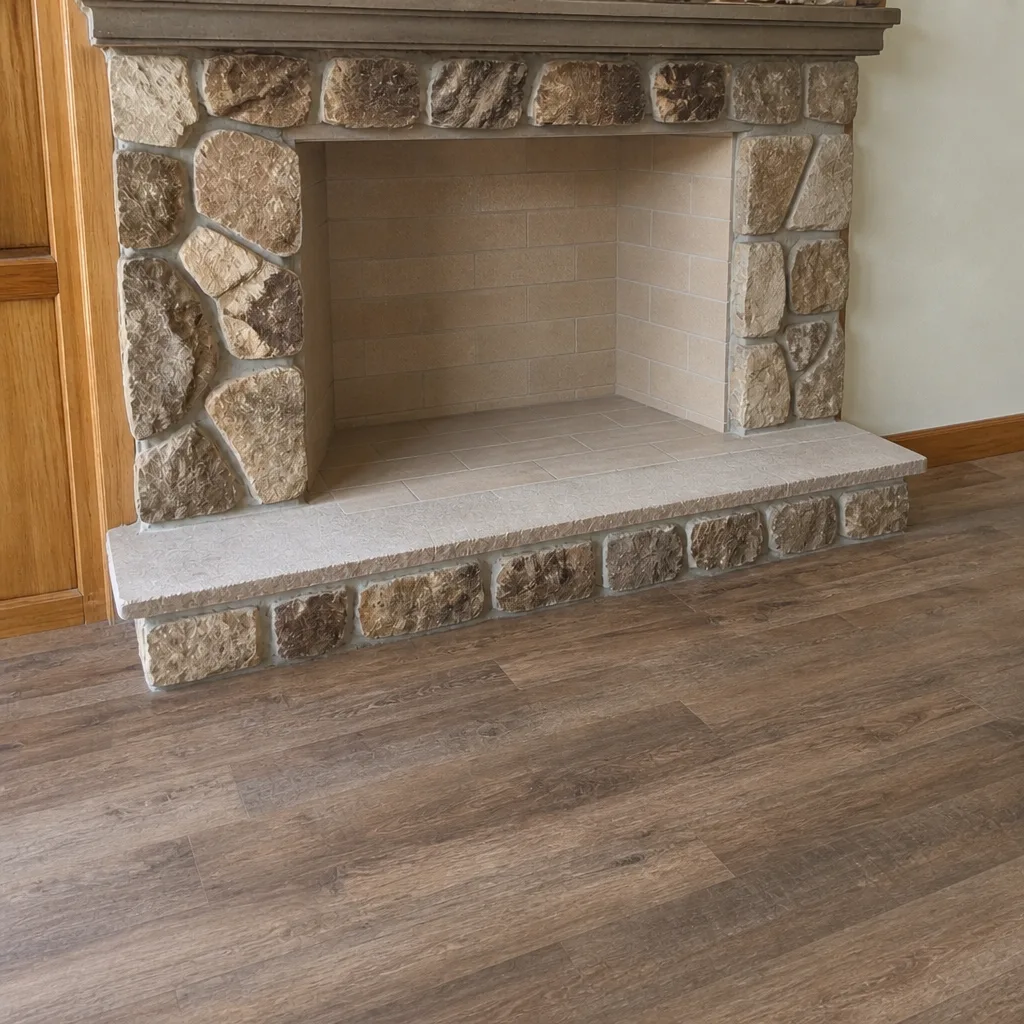 After
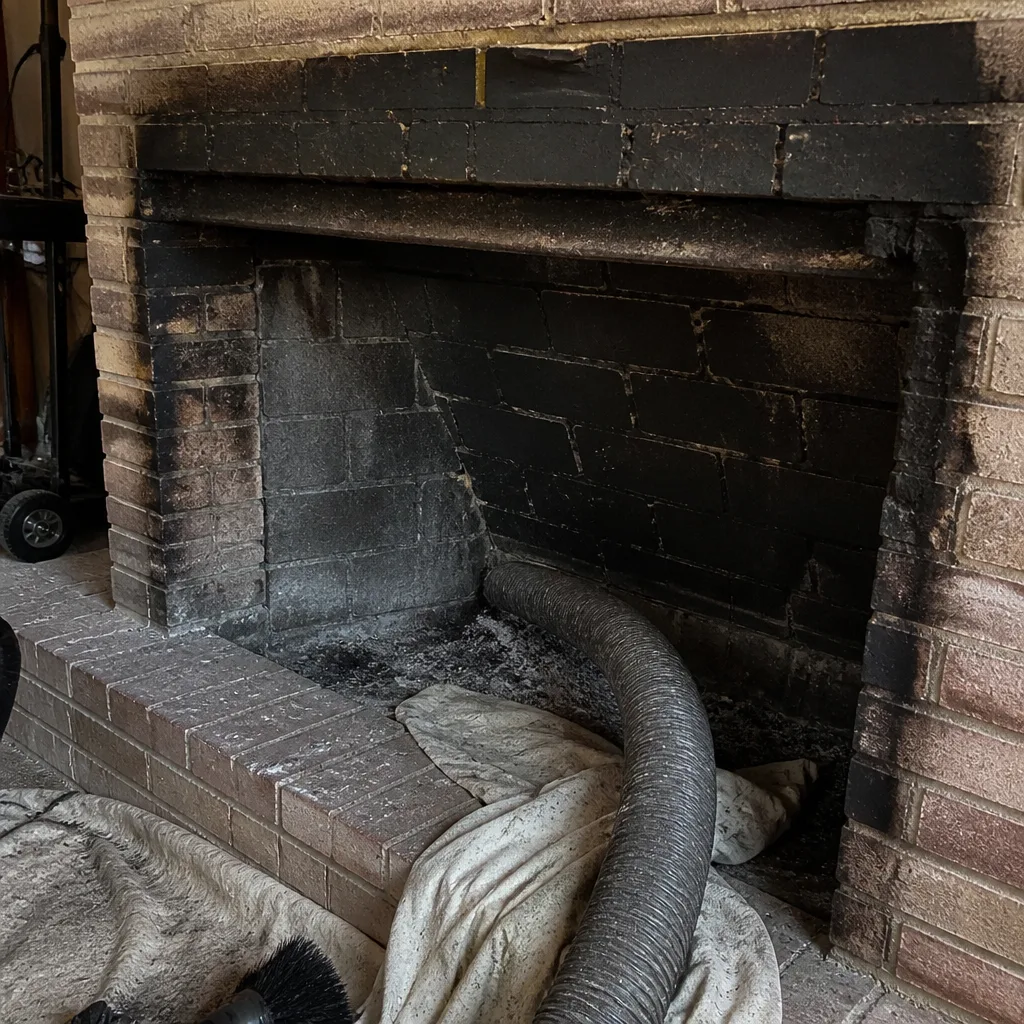 Before
 After
 Before
 After
When to Call a Professional
Call a trained chimney professional when you see or suspect any of these: glazed creosote, a cracked or missing flue liner, a failed smoke chamber, a damaged crown, a loose or missing cap, smoke entering the room, or any carbon monoxide concern with a gas appliance. Call if a “freshen-up” has turned into a repair estimate you can’t verify. Call before you buy a product for a structural part of the chimney, because the wrong category costs more later. And call if it’s simply been longer than you can remember since the last inspection, because an inspection is how you find out where you stand.
Safety is the reason to act. Chimney fires and carbon monoxide are the two real risks in this trade, and both are preventable with an inspection and a sweep done by someone who knows what they’re looking at. Chimney Sweep Enterprise offers free estimates in Enterprise. Call (855) 752-5896. We answer 24/7. Fast dispatch from 7am to 7pm, Sunday through Friday.
Frequently Asked Questions
There isn’t one best brand across the board, because different products solve different problems. For liner repair and resurfacing, HeatShield and DuraFlex are what professionals specify. For caps and ventilation, Gelco and Famco are the hardware tier. For specialty parts, Copperfield and Olympia Chimney. The right brand is the one matched to your specific repair, named on the estimate, and documented after the work.
Consumables like creosote treatments and basic brushing tools are fine to apply yourself between professional sweeps. Structural materials like HeatShield resurfacing and DuraFlex liner systems require professional prep and application conditions and shouldn’t be a homeowner purchase. If the product becomes a permanent part of the chimney, it belongs to a professional. Call (855) 752-5896 for an exact quote on any repair.
A brand name is a manufacturable standard. When a product is specified by name, you get traceability, a published specification from the maker, and documentation for insurance. “Standard materials” gives you none of that. The brand is what lets you verify that what you paid for is what went in. Call (855) 752-5896 if you want the brand named before you book.
Chemical treatments help with ordinary creosote and support routine sweeping. They don’t repair a cracked or deteriorated flue, and they don’t address a failed smoke chamber. If a camera inspection shows damage to the liner or the flue interior, the answer is a repair or relining specification, not a treatment. Our technicians have up to experience and nothing gets recommended without camera evidence you can see. Call (855) 752-5896 for a free estimate.
They mean the product was tested to a recognized standard and the listing is documented. In Clark County, a repair done with a listed product and the manufacturer’s specification behind it is much easier to stand behind in an insurance conversation. An unlisted product or an install that doesn’t match spec can complicate a claim. Ask about listings before a repair, not after.
Yes. Heat, dry air, and wide temperature swings are hard on concrete, sealant, and the flue lining, and the materials that hold up here are the ones specified for repeated thermal cycling. DuraFlex liner systems and HeatShield resurfacing are chosen for material stability under those conditions. Gelco caps and Famco ventilation components matter for wind and dust loads. Our technicians specify for the climate you’re actually in.
The Bottom Line
Spending money intelligently on your chimney starts with one distinction: cleaning and conditioning products are consumables, and repair products are permanent parts of your system. The best chimney cleaning brand isn’t a label you pick off a shelf. It’s the product that matches the actual problem, is specified by name before the work begins, carries a recognized listing, and is documented afterward. HeatShield, DuraFlex, Gelco, Olympia Chimney, Famco, and Copperfield exist in the professional tier for a reason. When a specialist can name the product, you can verify it, and when you can verify it, you’re buying a repair that holds up in Enterprise’s climate instead of a patch that needs replacing next season. Our technicians have up to experience and work the chimney trade exclusively.
Ready to move from guessing to knowing? Call (855) 752-5896 for a free estimate. We answer 24/7. Fast dispatch from 7am to 7pm, Sunday through Friday. A written estimate sets the final price, and nothing is recommended without evidence you can see for yourself.
Written by the team at Chimney Sweep Enterprise.