
Last updated November 16, 2026
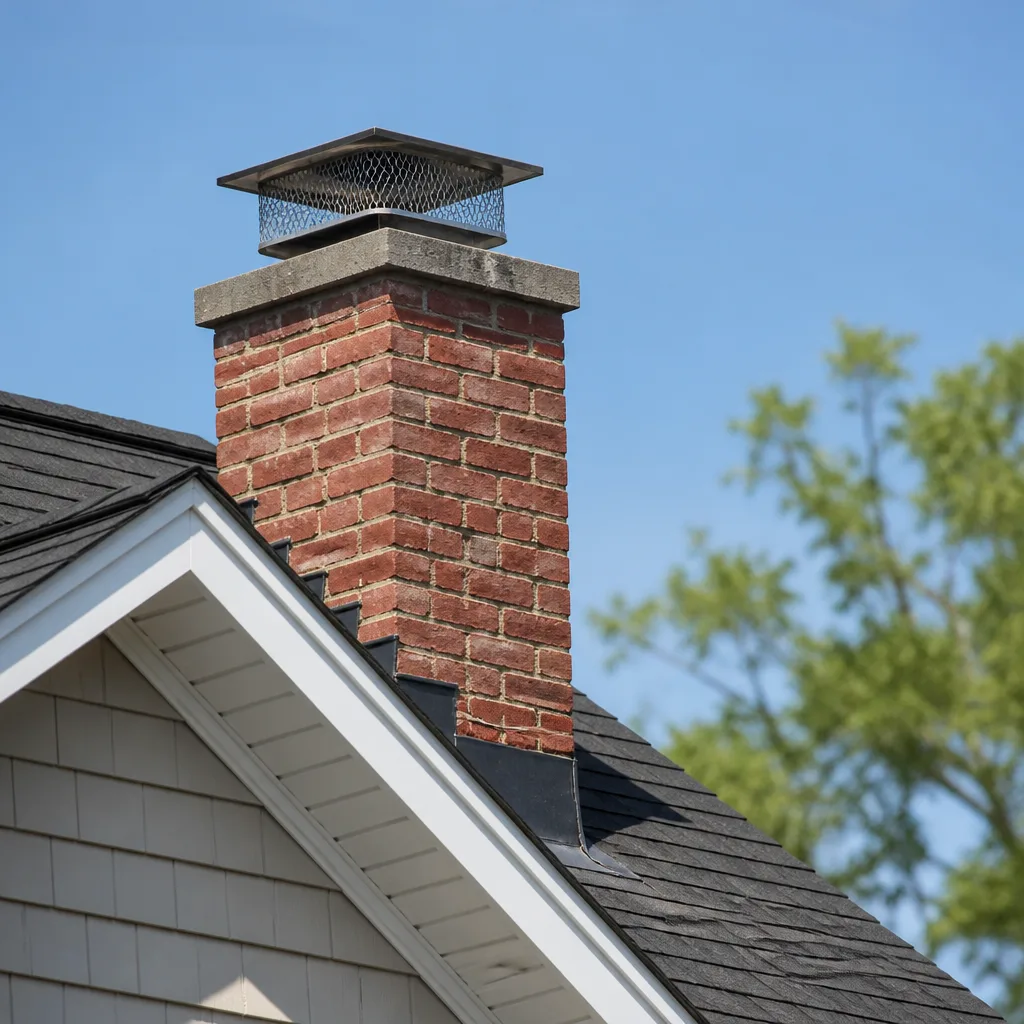 Sweep & inspection
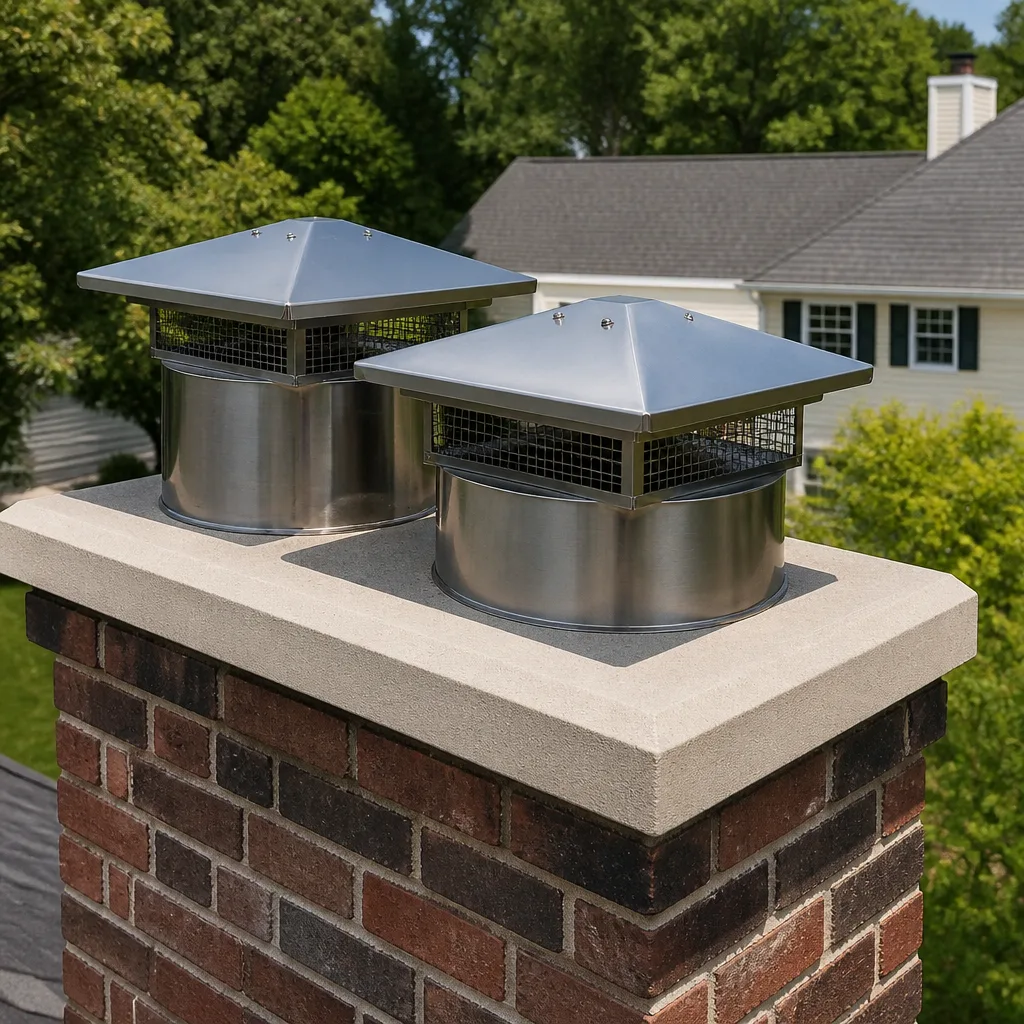 Caps & crowns
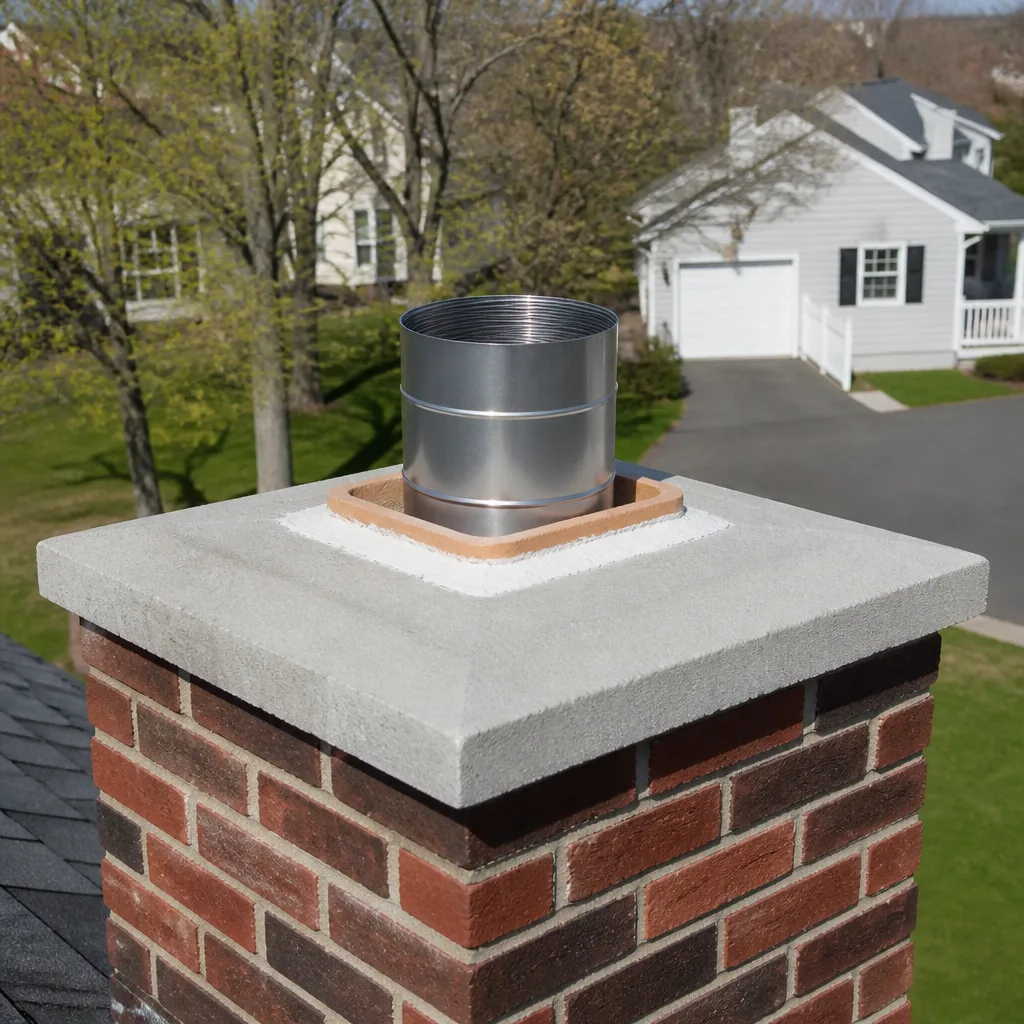 Flue relining
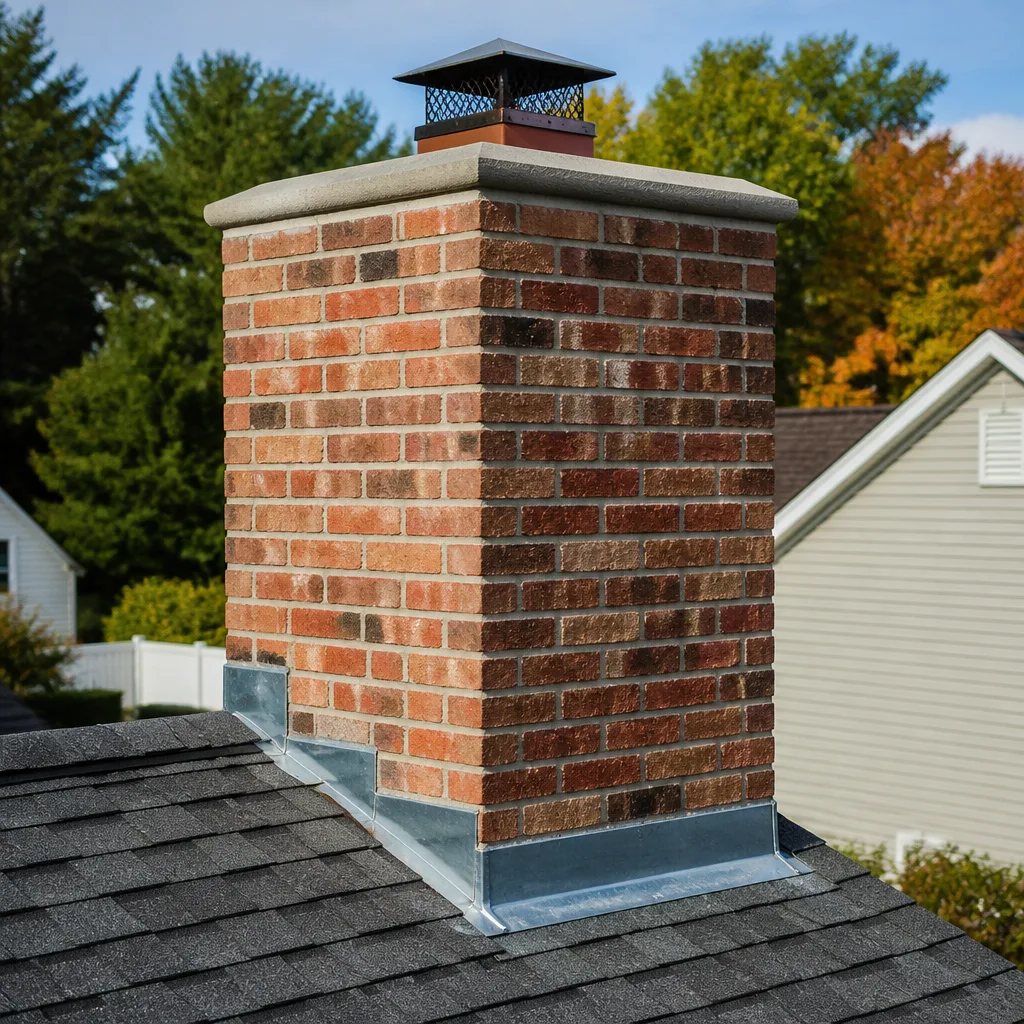 Masonry repair
 Gas fireplace service
Level 1 sweep and inspection to the NFPA 211 annual standard - flue, crown, cap, and flashing checked and photographed
Chimney sweep logs do not sweep chimneys. They loosen some creosote - which then falls where a brush and vacuum still have to collect it.
Chimney Cleaning Emergency Preparedness Guide for Enterprise Homes
Most chimney emergencies don’t start in the chimney. They start months earlier, in a sweep appointment nobody followed up on. A homeowner hears a low roar behind the damper, or the carbon monoxide alarm near the fireplace chirps at 2am, and suddenly they’re making decisions at the worst possible moment with the least possible information. What this guide does is move those decisions earlier. You’ll learn how to recognize an active chimney fire by sound, smell, and smoke behavior, the exact sequence to follow in the first three minutes, why detection placement matters more than most people realize, and how a proper record from your last sweep in Enterprise can turn a panic into a controlled response.
Quick Answer
Chimney fire preparedness in Enterprise comes down to three things done before burn season: a documented inspection showing what’s in your flue, a carbon monoxide detector positioned near the fireplace rather than only in a hallway, and a rehearsed three-step response (call 911, get everyone out, close the damper only if it’s safe). After any thermal event, the chimney stays out of service until a Level 2 inspection confirms the liner and surrounding framing.
Styles & brands we work with
- Sweep & inspection
- Caps & crowns
- Flue relining
- Masonry repair
- Gas fireplace service
Table of Contents
- How to recognize an active chimney fire
- The first three minutes: a step-by-step sequence
- Creosote sweeping logs and repair products: prevention, not emergency tools
- Carbon monoxide detection: placement for fireplace use
- Documenting chimney condition before burn season
- After a thermal event: the Level 2 inspection protocol
- What makes Enterprise homes different
- Building the annual routine that prevents emergencies
How Do You Know If You Have a Chimney Fire?
A chimney fire can burn hot and loud or smolder quietly enough to fool everyone in the house, which is exactly why you can’t rely on a single warning sign. The loud version is unmistakable. The quiet version kills people.
The sound signature is the first thing most people notice: a low rumble like a freight train or a distant roar, sometimes with a popping or cracking sound as creosote ignites in stages. It can also present as a rhythmic whooshing, similar to a gas burner being turned up inside the flue. If you hear any of that coming from behind a closed damper, treat it as a chimney fire until proven otherwise.
The smell is the second tell. A hot chimney fire produces an acrid, tar-like odor that’s noticeably different from normal woodsmoke. Some homeowners describe it as burning plastic or hot metal. It’s the kind of smell that gets into the room even when the damper is closed.
Then look at what’s coming out of the top of the chimney from outside, if you can safely get a look:
- Dense black or brown smoke that doesn’t dissipate quickly
- Sparks or flames visible at the crown
- Puffs of smoke pushing out from cracks or joints in the masonry
- A visible glow through the flue tile from the roof line
Our technicians have up to experience, and the pattern we hear from homeowners after a fire is nearly always the same: one warning sign was noticed and rationalized away. A roar you didn’t hear again. A smell you assumed was old wood. In an Enterprise home with a mature pinyon or juniper firewood pile, creosote loads build fast, and the signs don’t always repeat.
The First Three Minutes: A Step-by-Step Sequence
The 90 seconds before you call 911 matter. So do the 90 after. Here’s the sequence, in order, without editorializing.
- Get everyone out of the house. Everyone. Pets included. Do not stop to close the damper, gather belongings, or grab a phone charger. The door comes first.
- Call 911 from outside. Tell the dispatcher you believe you have an active chimney fire and give the full address. Mention if you smell gas or if the walls near the chimney feel hot.
- Close the damper only if the fire is confined and everyone is already out. A closed damper starves a chimney fire of oxygen, which can slow it. But if you’re not certain everyone is clear, skip this step.
- Do not spray water into a hot flue. A sudden thermal shock can crack masonry or flue tile and turn a contained event into a structural problem.
- From outside, check for extension. Look for smoke escaping through roof joints, attic vents, or the siding near the chimney chase. Point any of it out to the fire department when they arrive.
- Once the fire department is on scene, give them your chimney documentation. This is where the next section earns its keep.
The single biggest mistake in the first three minutes isn’t what people do, it’s what they delay. We’ve seen homeowners wait to see if the roar “happened again” before calling. That minute is the difference between a chimney fire and a house fire in a wood-frame home.
Are Creosote Sweeping Logs or Liner Repair Products Emergency Tools?
No. A creosote sweeping log and a repair product like Rutland Chimney Liner Repair are preventive and cosmetic tools, not firefighting tools, and treating them as emergency equipment is a category error that has cost homeowners their homes.
Creosote sweeping logs work by releasing a chemical catalyst when burned. The catalyst softens and flakes a portion of the glaze-stage creosote in a chimney over multiple burns, so it’s easier for a brush to remove at your next professional sweep. That’s the entire job. It does not extinguish a burning chimney. It does not starve a fire of fuel. It does not do anything at all to an active fire, because you’re not going to be burning a log while your flue is roaring.
Liner repair products in the consumer category are meant to seal small cracks and pin-holes in a damaged liner surface, and even that’s a limited application. They are not designed to restore a flue that has just experienced a thermal event. A fire can delaminate a flexible liner, spall clay tile, or open hairline cracks in a masonry flue that no tube of repair paste will close. Using a repair product as a post-fire fix is the chimney equivalent of putting a bandage on a stress fracture.
What the professional tools look like when repair is genuinely needed is different. We specify HeatShield for chimney resurfacing because it’s a system designed to restore the interior flue surface to a serviceable condition, not to mask damage. We install DuraFlex liner systems because they’re a professional-grade product line built to handle the thermal cycling of wood-burning appliances. Those are long-term repairs done by a specialist, not emergency patches.
The distinction matters because it shapes what you keep on hand. The right emergency kit for a chimney is a phone number, a CO detector, and documentation. Not a product in the firebox.
Where Should a Carbon Monoxide Detector Go in a Home With a Fireplace?
Carbon monoxide detectors belong in the room with the fireplace, in addition to the standard placement in sleeping areas and on every level of the home. General home placement alone can be too far away to catch CO backing into the living space from a compromised flue before symptoms start.
Carbon monoxide is a combustion byproduct, and backdrafting is the specific risk in a fireplace-equipped home. When a flue is blocked by creosote, a bird’s nest, or a collapsed liner section, or when negative pressure from a bath fan or dryer pulls exhaust back into the room, CO enters the living space silently. It has no color and no smell. Itself, a smoke detector won’t catch it.
For fireplace-equipped homes, the placement that makes sense is:
- A CO detector in the same room as the fireplace, positioned at a height where you breathe (roughly seated head height, not at the ceiling or the floor)
- A CO detector in or near each sleeping area
- One detector on every level of the home, including basement and attic-adjacent spaces if they’re occupied
The detector itself matters less than the placement, but NFPA-aligned product lines are what you want to specify. Look for detectors that carry a current listing from a recognized testing laboratory and that have a digital readout so you can tell the difference between a low-level warning and a real event. Photoelectric smoke alarms are generally preferred near the fireplace because they’re less prone to nuisance alarms from smoke that’s pulled into the room during a reload. Replace the batteries on the same schedule as your smoke alarms, and replace the entire unit at the interval the manufacturer specifies. Never disable a CO detector because it’s “going off for no reason.” A detector that chirps when you light a fire is telling you something about your chimney.
How Do You Document Chimney Condition Before Burn Season?
The single best piece of emergency prep in an Enterprise home is a documented chimney inspection from the last time a technician was on the roof. If a thermal event happens, that record tells first responders exactly what materials they’re dealing with and helps the post-event inspector determine what’s salvageable.
The reason is simple: chimney materials burn, spall, and delaminate differently, and knowing what’s in the flue changes how a fire behaves and what a repair will involve. A pre-fabricated metal chimney with a DuraFlex liner is a different animal than a clay tile flue in an older masonry chimney. A fire in one can require a full reline; the other might survive with a resurfacing. First responders who know what’s in your flue can make better decisions about where to vent, where to attack, and what’s happening inside the chase.
Here’s what to have on hand, and where to keep it:
- A copy of your last inspection report, printed and stored with your home documents or in the glovebox of the car.
- The liner material and make-up, if known – “clay tile,” “DuraFlex stainless liner,” “HeatShield-resurfaced flue,” etc. Ask the sweep to note this in the report.
- Any repair history, including cap installation, crown repair, or masonry flashing work.
- The date of the last sweep, and whether the chimney passed inspection or was flagged for follow-up.
- Your appliance type, wood fireplace, wood stove, gas insert, etc., because the venting and CO risk profile differ.
The companion piece of documentation is a photo set. A technician on the roof should be taking pictures of the crown, the flashing, the flue interior via camera, and the firebox. Chimney Sweep Enterprise includes a camera inspection and photo report with every sweep, which means you walk away from each appointment with a current visual record. If something happens later, you can show first responders what the flue looked like the last time it was seen.
After a Thermal Event: Why the Chimney Stays Off Until a Level 2 Inspection
When a chimney fire has happened, the chimney is out of service until a Level 2 inspection has been completed and cleared. Period. That’s not a sales tactic, it’s the minimum after any event involving high heat inside a flue.
A Level 2 inspection is the level that includes camera inspection of the entire flue interior, the firebox, the smoke chamber, the damper assembly, the crown, the flashing, and the accessible exterior of the chimney. It’s more thorough than the basic visual sweep inspection and less involved than a Level 3, which requires access panels and is triggered when the first two levels find a problem that can’t be diagnosed visually.
What a post-event Level 2 specifically looks for:
- Flue tile cracks and spalling, including hairline cracks that open under heat
- Liner delamination in flexible liners – visible as separation, bubbling, or a change in color from the stainless finish
- Smoke chamber and damper damage, which can warp under high heat
- Crown cracks and masonry joint failure, where heat has migrated outward
- Pyrolysis in adjacent framing, meaning wood that has been chemically altered by repeated exposure to heat and will ignite at a lower temperature than normal wood
- Creosote re-accumulation in areas the fire didn’t reach clean
Pyrolysis is the one that catches homeowners off guard. It’s invisible from the surface, and it doesn’t require flame contact. It’s the reason a Level 2 inspection after a fire is about the house, not just the chimney.
If the inspection finds damage, the fix is a professional repair, not a consumer product. HeatShield resurfacing is one option for restoring a damaged flue interior. A full reline with a DuraFlex system is another, depending on the extent of the damage. We don’t decide which one is right until we’ve seen the camera footage. Neither should anyone else.
What Makes Enterprise Homes Different in a Chimney Emergency?
Enterprise is high desert, and that changes the chimney picture in some specific ways.
The temperature swing between a cold high-desert night and a warm afternoon puts masonry through repeated expansion and contraction cycles. That cycling is hard on mortar joints, crowns, and flue tile over years of use. Cracks that develop in the crown let in water between burns, and water freezes and expands in the same mortar that protects the flue. The next fire finds those weaknesses.
Local firewood matters too. Pinyon pine and juniper, common in the hills around Enterprise, burn hot and resinous when not properly seasoned. Green or damp wood deposits more creosote per cord than dry hardwood, and in the dry air of the valley, wood that looks dry on the outside can hold surprising moisture inside. When you’re burning locally-sourced pine or juniper, brush the flue at the start of every burn season rather than assuming a two-year interval like you might in a wetter climate.
That said, the fundamentals of chimney fire response are identical anywhere: get out, call 911, document, don’t reuse the chimney until a Level 2 inspection clears it. What Enterprise adds is a fire-risk profile that rewards being more conservative than you feel like being. Dry air, high-desert wood, and hard freeze/thaw cycles on masonry all argue for annual service.
How Do You Build an Annual Routine That Makes Emergencies Unlikely?
The best emergency plan for an Enterprise chimney is a boring one. It’s built on routine, done on the same schedule every year, and it treats the chimney as a system rather than a series of one-off cleaning appointments.
Here’s the annual rhythm we recommend:
- Book a sweeping and inspection before burn season. For most Enterprise homes, that means scheduling in late summer or early fall, before the first serious cold snap. The sweep removes creosote buildup, and the inspection identifies problems before you need to fire the appliance.
- Review the camera report before you fire. Look at the photos. Ask questions. If something is flagged for repair, decide whether it’s a this-season repair or a next-season repair. Nothing should be recommended without camera evidence you can see yourself.
- Test your CO and smoke detectors, and replace batteries. Confirm the fireplace-room detector is working and hasn’t wandered off its mount.
- Have the cap and crown checked. A cap from a name-brand line like Gelco keeps water, wildlife, and debris out of the flue. A cracked crown lets water in. Both inspections belong in the annual visit.
- Update the documentation file with the new inspection report, photo set, and any repairs.
- If a repair is needed, plan it before burn season starts. A slipped liner section or a damper problem discovered in October is a fixable problem. The same problem discovered in January is a closed fireplace and an expensive hassle.
If a technician finds something mid-season that could wait until the next scheduled visit, ask for the case for waiting. We’ve told plenty of homeowners their chimney could safely finish out the season, and we’ve told plenty that it couldn’t. The honest answer is more useful to both of us than a padded proposal.
Common Mistakes to Avoid
- Waiting to confirm the sound before calling 911. Noises that stop and restart during a chimney fire aren’t a sign the fire’s out. They’re a sign the fire is in and out of creosote pockets. Call.
- Relying on a hallway CO detector alone. A CO event that starts at the fireplace can reach dangerous levels in that room before a hallway unit picks it up. Add a fireplace-room detector to the mix.
- Burning a creosote sweeping log instead of booking a sweep. Fuel additives can help loosen glaze creosote, but they don’t replace brush-and-camera work. In a home with a wood stove or a chimney eating pinyon wood, they’re still no substitute for the annual appointment.
- Treating a post-fire chimney as “fine because it still drafts.” A working draft is not an indication that the flue is safe. Cracks and delamination can be invisible from the firebox.
- Skipping the Level 2 inspection “to see how it burns.” Pyrolysis and hairline flue fractures don’t show up as a draft problem until they do. Have the inspection before the next fire.
- Not documenting the last inspection. If a fire starts, being able to hand first responders a photo report of the flue is genuinely useful. Don’t let the report live in an inbox you no longer check.
- Letting a cap ride without a look. A damaged or missing cap lets water and animals into the flue and changes the fire risk profile of the whole chimney. It’s a two-minute check on the annual visit.
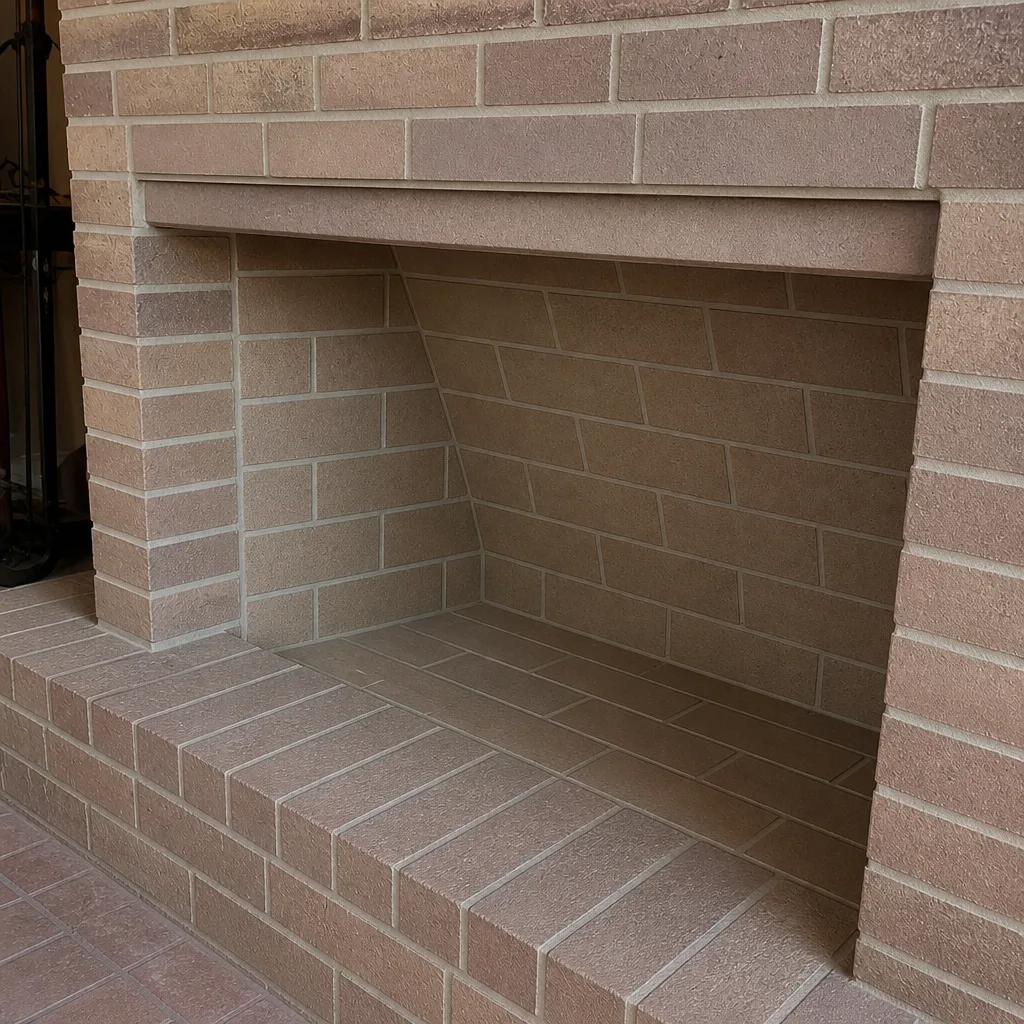
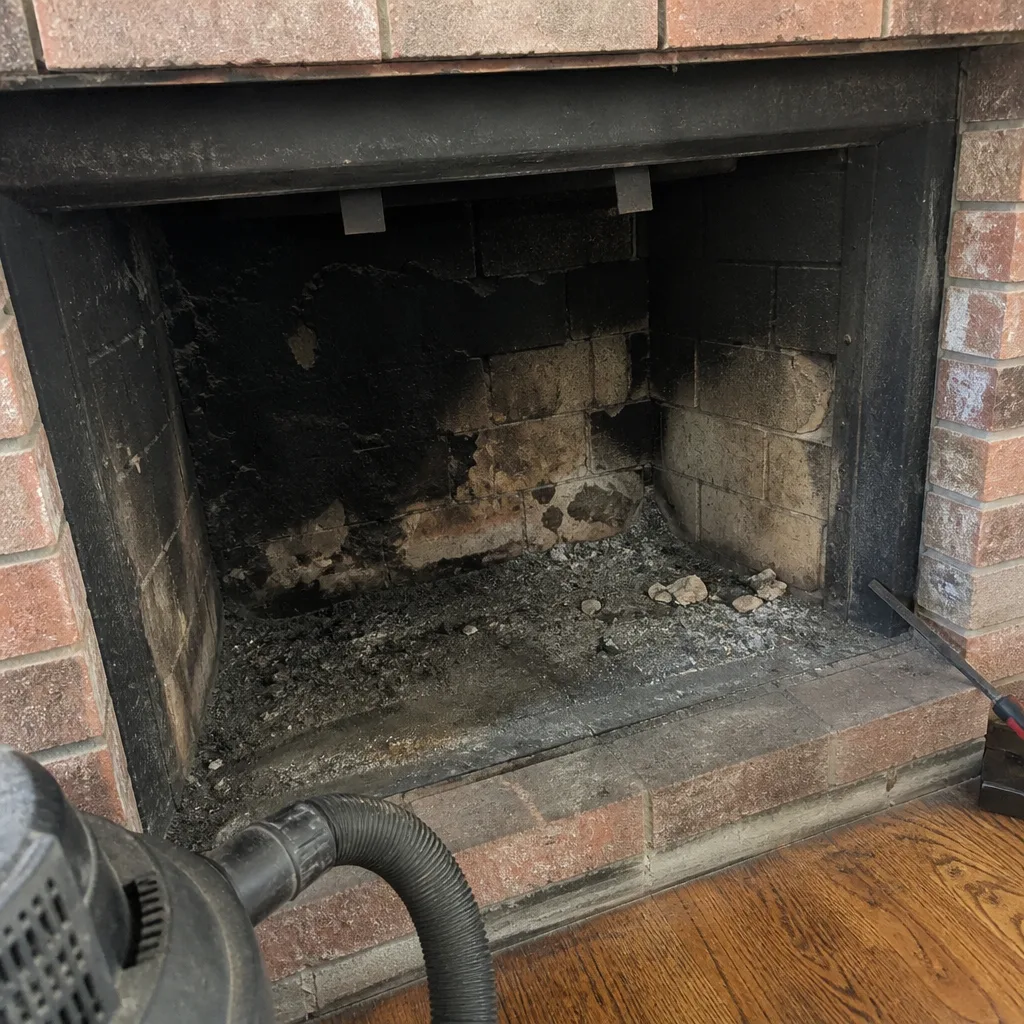
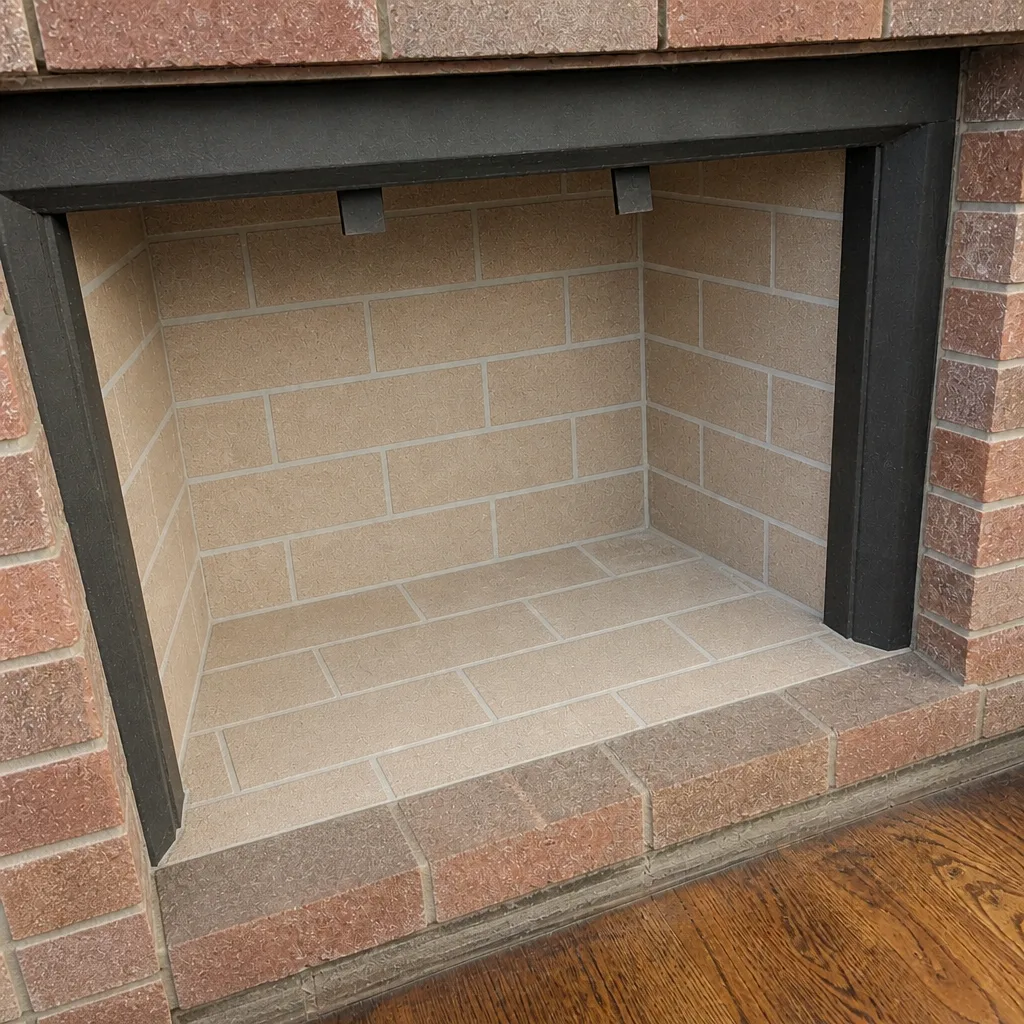
See the difference
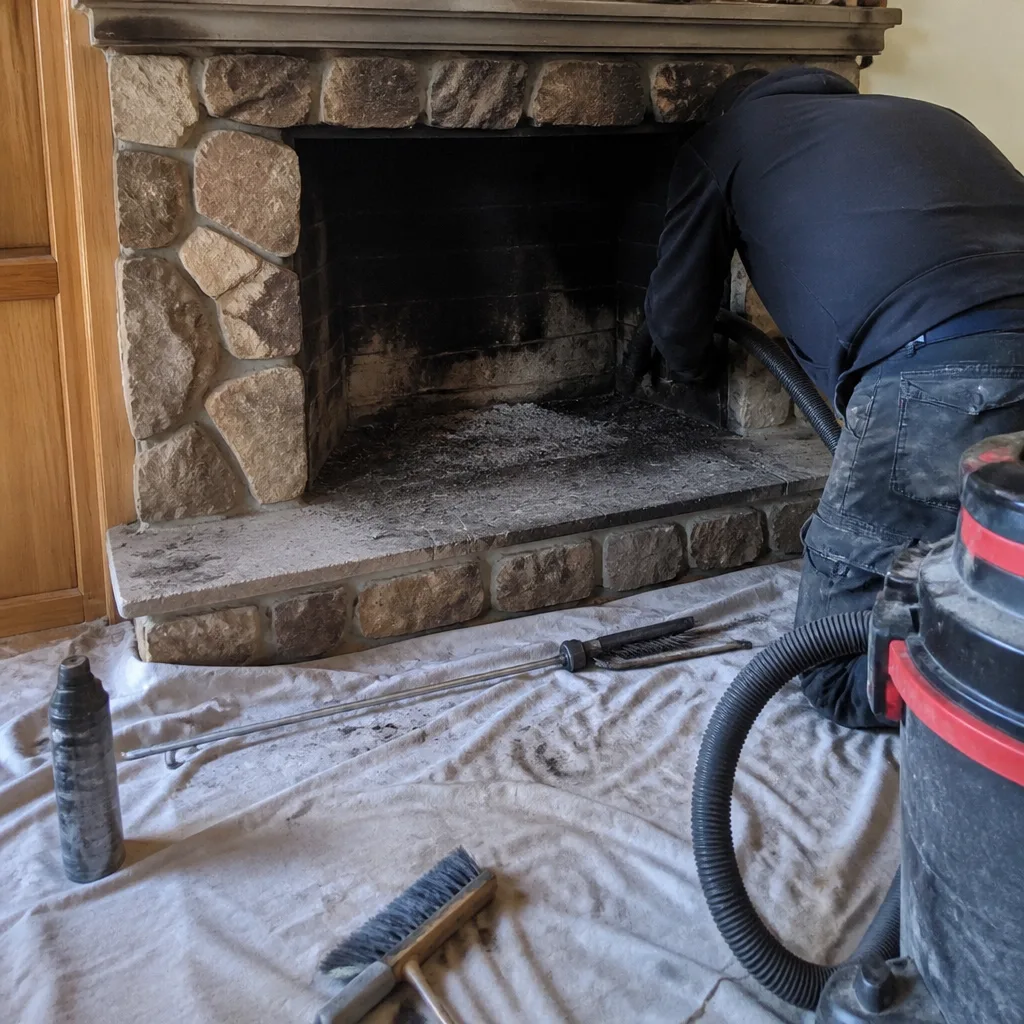 Before
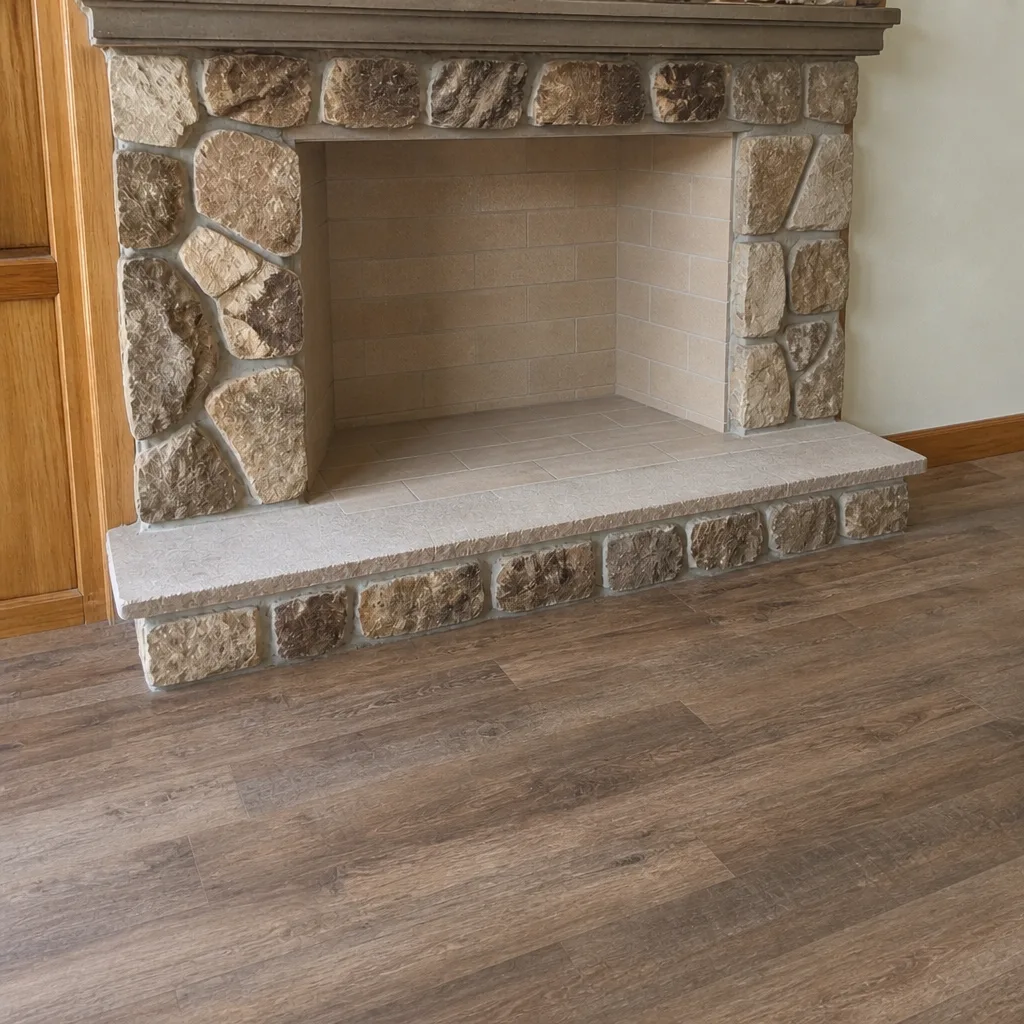 After
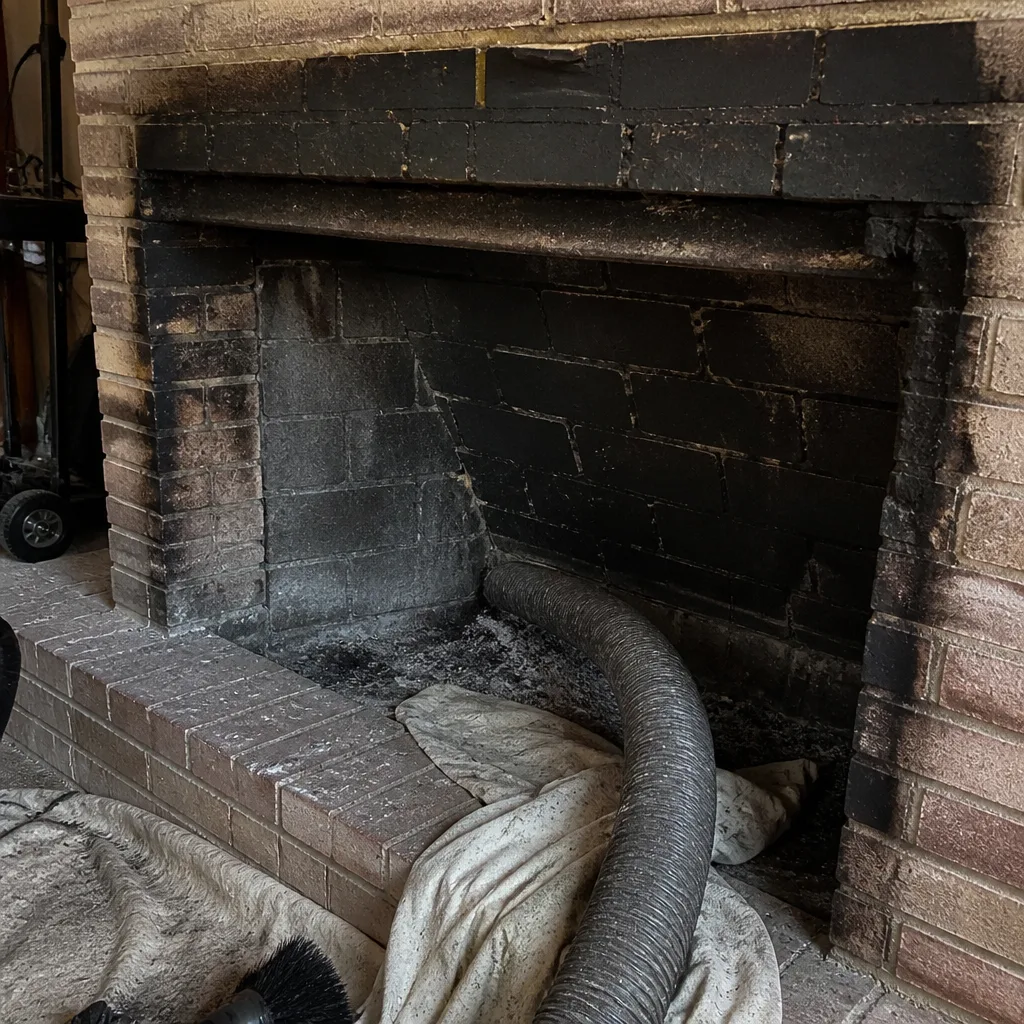 Before
 After
 Before
 After
When to Call a Professional
Call a chimney professional when any of the following is true: you’ve had an active chimney fire (Level 2 inspection required, no exceptions); you notice new smoke stains above the firebox or on the chimney chase; your CO detector has activated near the fireplace without an obvious source; you’ve changed appliance type, added a wood stove, or switched to a different fuel; it’s been more than a year since your last sweep; you’re buying or selling the home; or you’ve noticed a creosote odor that wasn’t there last season. If you’re unsure, the safe answer is a sweep and inspection, because the cost of a sweep is the cost of a sweep and the cost of a missed problem isn’t.
Chimney Sweep Enterprise offers free estimates in Enterprise. We’ll put eyes on the chimney, shoot the camera footage, and tell you honestly whether a repair is urgent, scheduled, or skippable. Call (855) 752-5896. We answer 24/7. Fast dispatch from 7am to 7pm, Sunday through Friday.
Frequently Asked Questions
Get everyone out of the house and call 911 from outside. The single biggest mistake in a chimney fire is delay. Close the damper only if you’re certain everyone is already out and you can do it safely. From outside, give the fire department any documentation you have on the flue materials in your chimney.
No, and they’re not designed to. Creosote sweeping logs are a maintenance product that softens glaze-stage creosote between burns so a brush can remove it at your next sweep. They do nothing to an active fire. If you have an active chimney fire, the response is 911, not a product in the firebox.
You need the Level 2 inspection before the chimney is used again. A Level 2 inspection includes camera inspection of the entire flue interior, the firebox, the smoke chamber, and the accessible exterior. It looks specifically for flue tile cracks, liner delamination, crown damage, and pyrolysis in adjacent framing. A chimney that “still drafts fine” after a fire can still be unsafe. Call (855) 752-5896 to book one.
Add a CO detector in the room with the fireplace, at roughly seated head height, in addition to the detectors in sleeping areas and on every level of the home. General home placement alone can be too far from the firebox to catch a CO event early. Look for a listed detector with a digital readout, and don’t disable it when it chirps during a burn.
For most Enterprise homes burning wood, once per year, before burn season, is the standard. Homes burning locally-sourced pine or juniper, or burning frequently through the winter, should treat that as a hard annual minimum rather than a target. Every sweep we perform includes camera inspection and a photo report, so you always have a current record of what the flue looks like.
Not always. Depending on the extent of the damage, we may recommend HeatShield resurfacing to restore the flue interior, or a full reline with a DuraFlex system. The right answer comes from the camera footage, which you’ll see before any recommendation is made. Nothing is recommended without evidence, and we’ll tell you plainly if the work can safely wait.
What Actually Happens If You Skip It?
If you skip the annual sweep and inspection, the honest answer is that you’re rolling dice on creosote. Glaze-stage creosote is the fuel for a chimney fire, and it builds faster in homes that burn hot wood, damp wood, or wood on a wood stove with an extended burn cycle. A chimney that’s been fine for three years without a sweep can still be a creosote load waiting on the wrong reload. The prep you do before the emergency is what determines whether a chimney fire is a contained event or a structure fire, and in either case, a Level 2 inspection and repair plan. None of this is dramatic. It’s a phone call, an appointment, and a report you keep in a folder. That’s the whole preparedness plan.
The Bottom Line
The first three minutes of a chimney fire are shaped by what you did the last time a technician was on your roof. Get the annual sweep, review the camera report, note what’s in your flue, position a CO detector in the fireplace room, and keep the documentation where you can grab it. If a fire does happen, the response is simple: out, 911, close the damper only if everyone’s clear, and no reuse until a Level 2 inspection clears the chimney. Sweep, repair, and inspect, all from one specialist, with professional-grade materials specified by name. That’s the plan that makes an emergency less likely and less consequential.
Call (855) 752-5896 for a free estimate. We answer 24/7. Fast dispatch from 7am to 7pm, Sunday through Friday. Chimney Sweep Enterprise handles chimney sweep, chimney repair, and inspection as one specialist, so nothing falls between visits. If you’re new to the area, start with our Enterprise service page and we’ll walk through the schedule from there. You can also read more about the team at Chimney Sweep Enterprise.
Written by the team at Chimney Sweep Enterprise.