
Last updated November 16, 2026
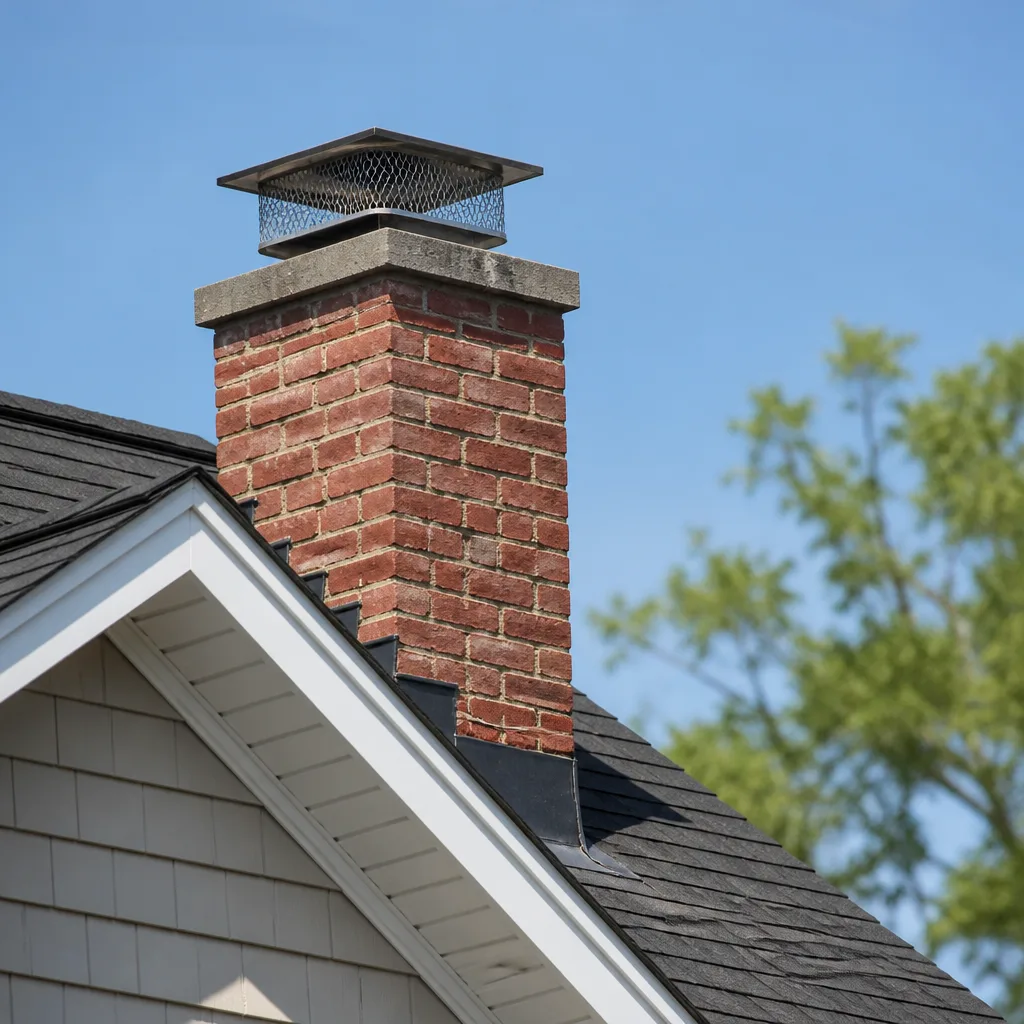 Sweep & inspection
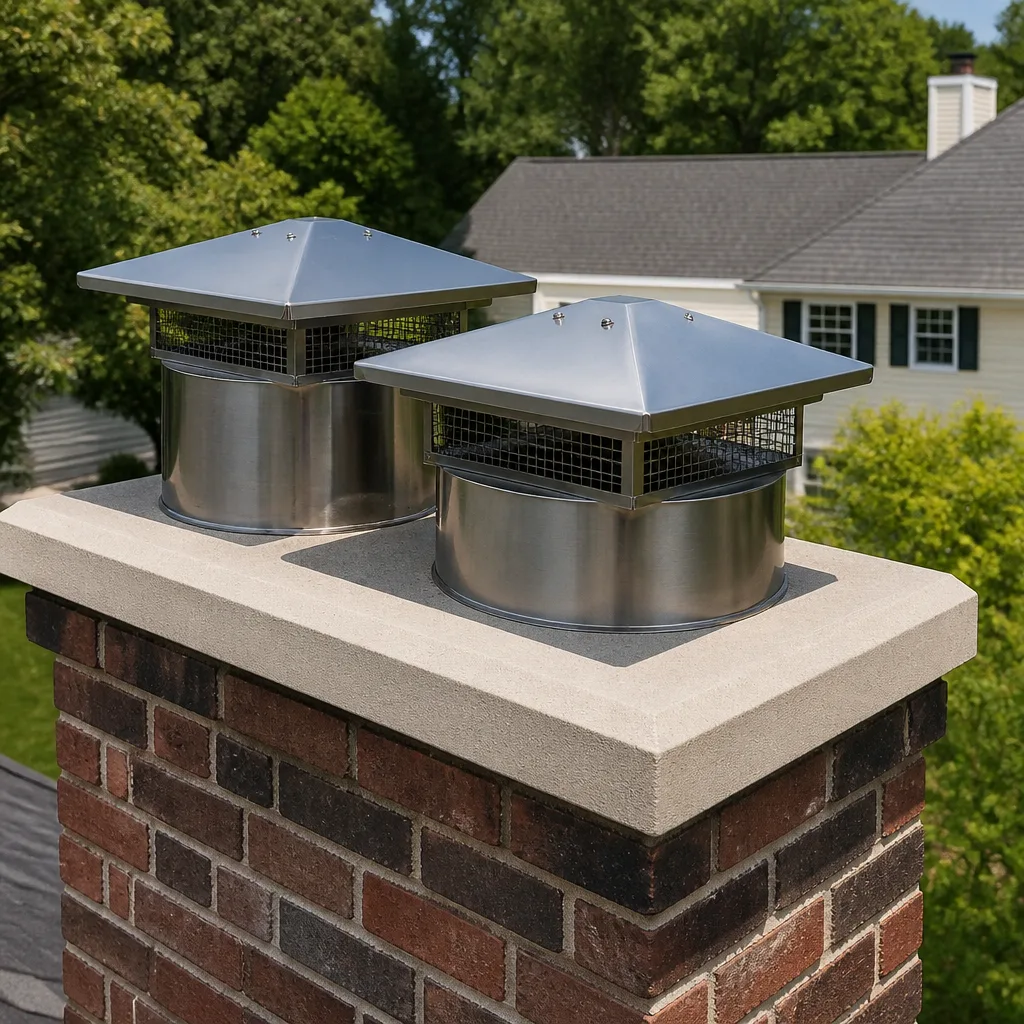 Caps & crowns
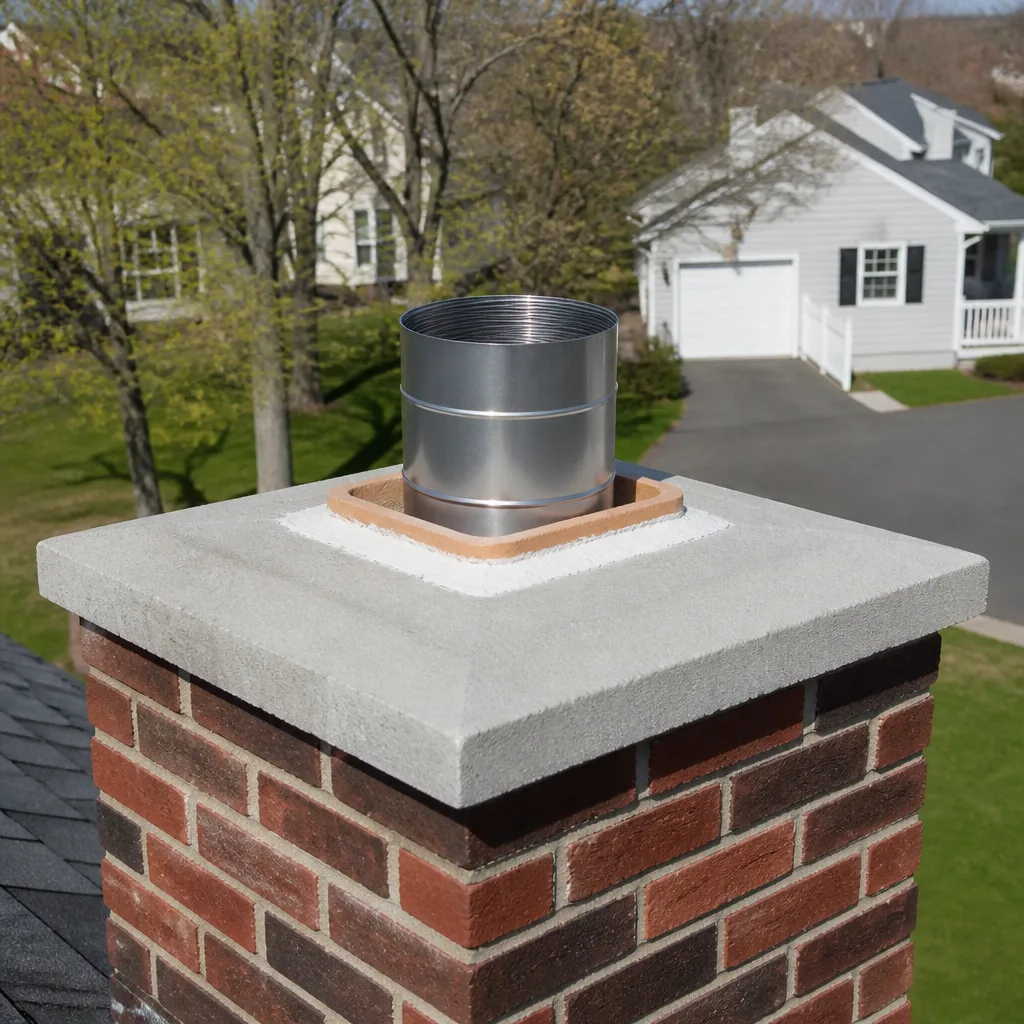 Flue relining
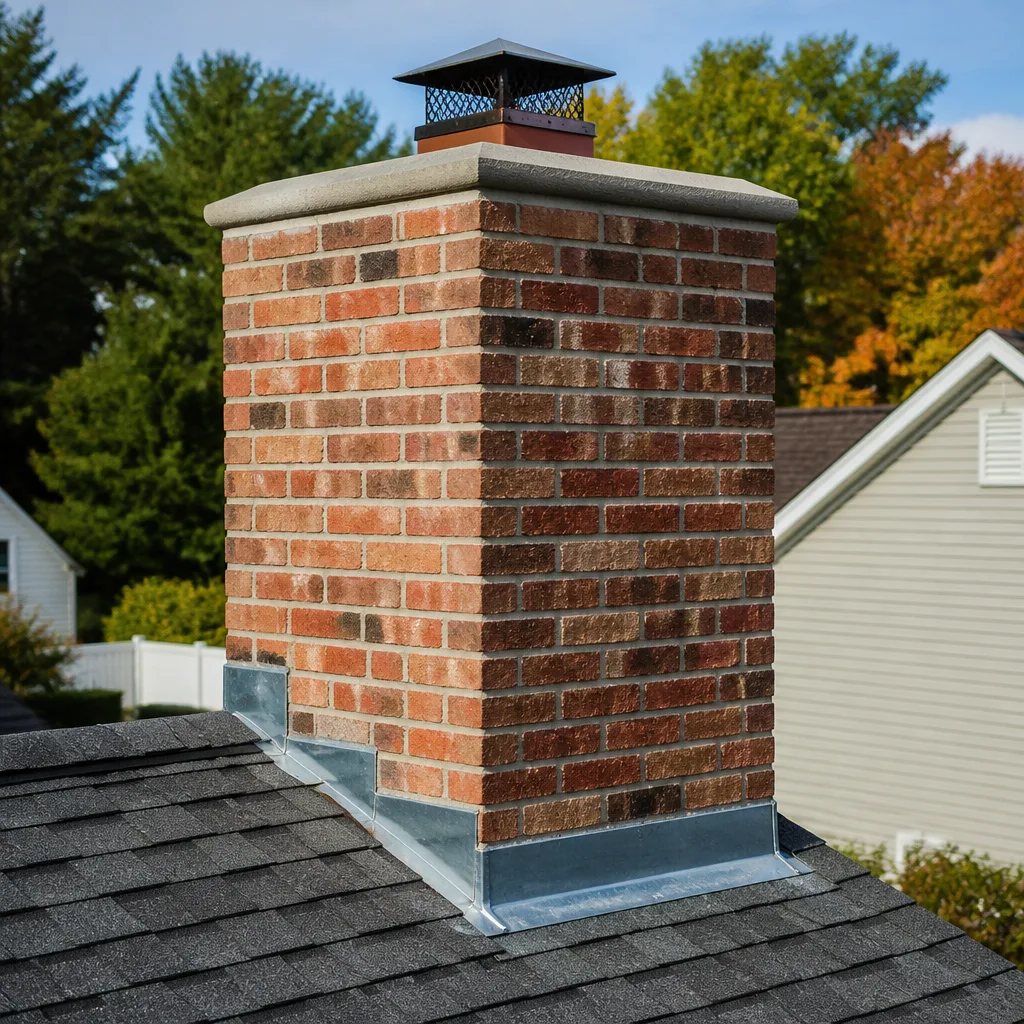 Masonry repair
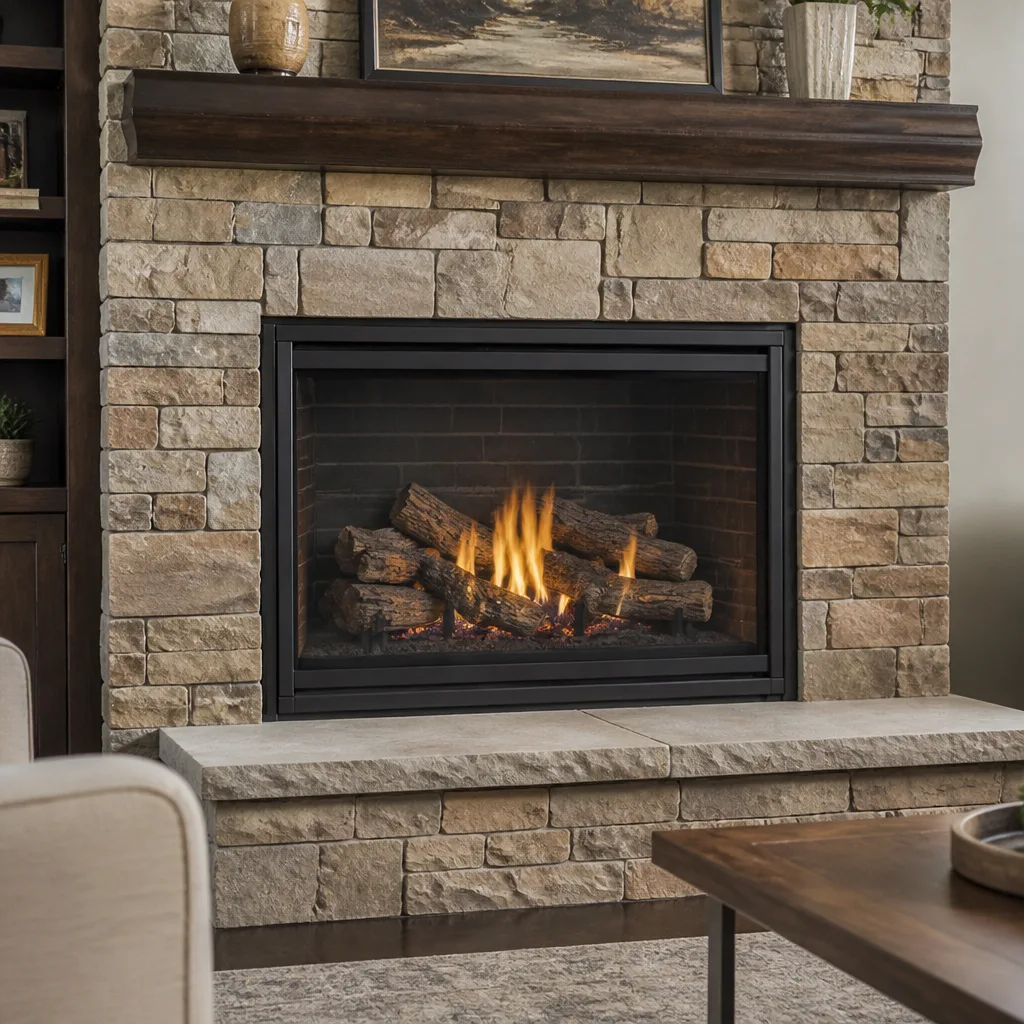 Gas fireplace service
Level 1 sweep and inspection to the NFPA 211 annual standard - flue, crown, cap, and flashing checked and photographed
Chimney sweep logs do not sweep chimneys. They loosen some creosote - which then falls where a brush and vacuum still have to collect it.
Seasonal Chimney Cleaning Care for Enterprise: Year-Round Homeowner’s Guide
Enterprise homeowners use their fireplaces for roughly 90 days a year. The other 275 days, the chimney sits in temperatures that routinely exceed 105°F, and that’s when most of the structural damage happens, quietly, before a single fire is lit. Most chimney advice you’ll read was written for places with four real seasons and a wet spring. That calendar doesn’t fit the Mojave. Here, the work that protects your chimney happens in the heat, not in the cold. This guide walks through a full year of chimney care in Enterprise, from the crown-coat window in summer through the pre-season sweep in October, the burn season itself, and the dust-sealing step most homeowners skip in March.
Quick Answer
Chimney care in Enterprise runs on a desert calendar: inspect and resurface the crown in late spring and summer before the worst heat, sweep and camera-inspect the flue in early October before the first fire, monitor creosote through the burn season, and seal the damper in March to keep spring dust out. The July and August monsoon is the one window when water can get into a chimney that looks fine from the ground, so cap and crown condition matters more here than in a place with steady rain.
Styles & brands we work with
- Sweep & inspection
- Caps & crowns
- Flue relining
- Masonry repair
- Gas fireplace service
Table of Contents
- Why Enterprise’s Chimney Calendar Doesn’t Match the Standard Advice
- Summer (May to September): The Crown Coat Window
- The Monsoon Micro-Season: July and August Water Risk
- Early Fall (October): Sweep First, Then Camera
- Active Burn Season (November to February): Watching Creosote
- Post-Season (March): Sealing Out Spring Dust
- Inspection and Sweep Aren’t the Same Job
- Common Mistakes to Avoid
Why Enterprise’s Chimney Calendar Doesn’t Match the Standard Advice
Most chimney guides tell you to book a sweep in spring after the last fire and again in fall before the first. That advice assumes a climate with a wet spring, a mild summer, and a long heating season. Enterprise doesn’t have any of those. It has a short, intense burn season and a long, hot off-season that does its own kind of damage.
The core difference is what the heat does to the top of the chimney. A masonry crown, the concrete cap at the very top of the stack, is exposed to direct sun and to surface temperatures well above air temperature for months at a stretch. Concrete and mortar expand in that heat and contract hard when the desert night drops thirty degrees or more. Over enough cycles, hairline cracks open. They’re small enough that you won’t see them from the yard. But a cracked crown is the number one way water gets into a chimney in a place that only sees a few inches of rain a year.
So the calendar flips. In a cold climate, the chimney’s worst enemy is freeze-thaw in winter. In Enterprise, the chimney’s worst enemy is ultraviolet exposure and thermal cycling in summer, followed by the monsoon, followed by a rush to get everything done in the narrow window before the first cold night.
That’s the reason we built this guide around the actual seasons here and not the generic spring-and-fall schedule. If you’ve been following advice written for the Midwest, you’ve probably been doing the right work at the wrong time of year. Here’s the sequence that fits Enterprise. If you’d rather see how the Chimney Sweep Enterprise approach maps to it, the rest of this guide is the same logic we work from.
What the year actually looks like
- May to September: crown and cap inspection, crown-coat application, water testing.
- July and August: monsoon. This is when a failing crown or a loose cap lets water in.
- October: the pre-season sweep and liner camera inspection, in that order.
- November to February: burn season. Creosote accumulates and gets watched.
- March: post-season cleaning and damper sealing against spring dust.
- April: the quiet month. Good time to schedule repairs found in the fall.
Summer (May to September): The Crown Coat Window
The single most useful thing you can do for a chimney in Enterprise happens in the heat of summer, not during the burn season. That’s when the crown and the top of the flue are most vulnerable, and it’s the right time to address them before temperatures peak.
The crown is the sloped concrete or mortar cap at the top of a masonry chimney. Its job is to shed water away from the flue and the brick below. When it cracks, water runs straight down into the chimney structure instead of off the edge. In a wet climate, you’d notice this quickly. Here, you get a handful of monsoon storms a year and a few winter sprinkles, and the water finds those cracks over and over. Over several seasons, that’s how a crown crack becomes spalling brick, a rusted damper, and eventually a stained ceiling on the inside of the house.
What a crown coat does
A crown coat is a resurfacing application that covers the existing crown with a flexible, crack-bridging material designed to move with the concrete instead of cracking off it. We use HeatShield for this kind of resurfacing work because it’s formulated to bond to the crown and stay bonded through thermal cycling, which is exactly what the desert throws at it. It’s not a paint. It’s a repair layer that extends the life of the crown and, by extension, the chimney below it.
Here’s the sequence we follow when a crown needs attention in Enterprise:
- Inspect the crown at close range. From the ground, a crown looks like a flat cap. Up close, cracks, chips along the edge, and a crown that’s pulling away from the flue are all visible.
- Note any rust on the cap or chase cover. Rust is the tell that water has been sitting where it shouldn’t.
- Clean the crown surface. A crown coat needs a sound, clean surface to bond to.
- Apply the resurfacing material. The slope of the crown has to be preserved or re-formed, because a flat or back-sloped crown just holds water.
- Check the cap while you’re up there. If the cap is loose or the wrong size, it comes off and a properly fitted one goes on.
Doing this in late spring or early summer gets the crown sealed before the worst heat and before the monsoon. If you wait until fall, you may already have a season of water intrusion behind you. That’s the logic behind the timing: chimney repair on the crown is a pre-monsoon job, not a pre-winter one.
The Monsoon Micro-Season: July and August Water Risk
Enterprise gets most of its annual moisture in a short window in July and August, when afternoon storms roll in fast and drop a lot of water in a short time. Those storms don’t look like the steady rain people picture when they think about water damage. They’re brief, intense, and driven sideways by wind. That changes what your chimney has to withstand.
The danger window is specific. A chimney that sheds water fine in a gentle rain can still let water in during a monsoon downpour, because the volume is higher and the wind drives it against surfaces that a normal rain never touches. Two components decide whether your chimney handles it:
- The cap. A cap that’s the right size, properly fitted, and in good condition keeps rain out of the flue opening while letting smoke out. A missing, undersized, or rusted-through cap lets rain straight down the flue. We specify Gelco chimney caps for this reason: the fit and the material have to survive the sun and the storm cycles here, and a cheap cap won’t.
- The crown. A crown with hairline cracks is fine until the downpour, and then the cracks become channels. This is why the summer crown check comes before monsoon, not after.
You can see the evidence of monsoon water entry yourself after a storm. Look for:
- Damp or discolored brick on the outside of the chimney, especially in a band below the crown.
- Water stains on the firebox floor or the damper frame.
- A musty smell in the firebox after a storm.
- Staining on the ceiling or wall near the chimney chase inside the house.
- Rust on the damper or the firebox grate after a summer with no fires.
Any one of these is a reason to get the top of the chimney looked at before the next storm season. A homeowner in Enterprise who sees water stains in July has a crown or cap problem that’s been developing for a while. The fix is usually the same crown and cap work covered above, but the longer it waits, the more of the structure it reaches. For the wider picture on how water and storm damage get handled, the chimney sweep and inspection services cover the diagnostic side.
Early Fall (October): Sweep First, Then Camera
October is the busiest month on the chimney calendar in Enterprise, and it’s the one where the order of operations matters more than homeowners realize. The sequence is sweep first, then camera inspection of the liner. Doing it the other way around wastes the inspection.
Here’s why. The camera inspection is looking at the inside of the flue liner for cracks, gaps, and misaligned sections. If there’s a layer of soot and creosote on the liner walls, the camera is looking at the soot, not the liner. You can’t tell a crack from a shadow under a coat of creosote. Sweeping first clears the liner walls so the camera sees the actual surface. Then inspection findings mean something.
The correct pre-season sequence
- Book the sweep for October. Before the first fire, so the flue is clear when the burn season starts.
- Sweep the flue. This removes the soot and creosote that built up the season before.
- Run the camera down the liner. Now the liner walls are visible and the inspection can find real defects.
- Review the inspection findings. Any cracks, gaps, or liner problems get documented.
- Address what was found before the first fire. Not next spring. A liner defect that shows up in October is a safety issue for the season ahead.
That last point is the one that separates a full-service chimney company from a sweep who hands you a report. When the inspection turns up a problem, the same specialist should be able to act on it, because a documented liner defect in October shouldn’t wait until April when you’ve already burned through a season with it. That’s the practical argument for having sweep, repair, and inspection handled by one chimney specialist rather than three separate visits.
October in Enterprise also gives you a buffer. If the inspection finds a liner that needs relining, you have weeks before the first cold night, not days. Book the sweep as early in the month as you can. If you’re also wondering what to check on the firebox and damper before the season, that’s part of the same inspection.
Active Burn Season (November to February): Watching Creosote
Once the fires start in November, the job shifts from structural care to creosote management. Creosote is the residue that forms when wood smoke cools on the way up the flue. It builds in stages: a light, flaky soot first, then a crusty layer, then, in the worst case, a hard, tarry glaze that’s difficult to remove and burns hot.
The single biggest variable in how fast it builds is how you burn, not how often. A fire that’s starved of air produces more creosote than a hot fire, because the smoke is cooler and deposits more residue on the flue walls. Seasoned wood, a hot fire, and an open enough air supply all reduce the rate of buildup. Green or wet wood, a smoldering fire, and a closed-down damper all speed it up.
When a mid-season cleaning is warranted
Most homes in Enterprise get through a season on the October sweep. But the burn season can run four months, and if you’re burning frequently, creosote accumulates enough by mid-season that it’s worth checking. These are the signs that a mid-season cleaning is worth booking:
- You’re burning most days. Heavy use, especially daily fires through the cold stretch, builds creosote faster than occasional weekend fires.
- The firebox smells stronger than usual. A stronger smoke smell when the fireplace is cold can indicate a heavier creosote layer.
- You see visible buildup. A flashlight up the flue from the firebox, where you can see, will show how thick the layer has gotten.
- You’ve had a chimney fire before. A chimney that’s had a fire needs closer monitoring the following season.
- The draft has gotten weaker. A drop in draft over the season can mean the flue is narrowing with buildup.
It’s worth being plain about what a chimney fire is, because it’s the reason creosote matters. A chimney fire happens when the creosote in the flue ignites. It can be a loud, roaring event or a quiet one that you barely notice, and either way it can damage the liner. The liner is what stands between the fire in your firebox and the structure of your house. That’s the whole argument for monitoring creosote through the season rather than only sweeping in the fall. It’s not scare tactics. It’s the reason the inspection exists.
For the repair side of what happens when the liner has been compromised, that’s covered under chimney repair, including relining with DuraFlex flexible liner systems when a liner has failed.
Post-Season (March): Sealing Out Spring Dust
When the last fire goes out in March, most homeowners close the damper and forget the chimney until October. In Enterprise, that’s a mistake with a specific cause: spring wind. March and April bring the wind events that move desert dust across the valley. A chimney with an open or leaky damper is a direct path for that dust into the house.
A damper that seals properly keeps the dust out. A damper that’s rusted, warped, or sitting slightly open is a dust chute, and it’s also a draft problem the rest of the year. The post-season visit does a few things:
- Sweep out the season’s creosote. Creosote left sitting through the hot months can harden and become harder to remove in October. Clearing it now keeps the off-season cleaner.
- Check the damper seal. A flashlight test from below shows whether daylight comes through a closed damper.
- Repair or replace a failing damper. A damper that won’t seal needs repair now, before the spring wind.
- Check the cap again. The monsoon season has passed. Now’s the time to verify the cap and crown made it through.
Sealing the damper is a small job with an outsized effect in a dusty climate. It’s the difference between a firebox that’s clean and dry in October and one that needs a full sweep just to remove the dust that blew in over the summer.
Inspection and Sweep Aren’t the Same Job
The most common point of confusion in chimney care, and the one that costs homeowners the most in the long run, is treating a sweep and an inspection as the same appointment. They’re different jobs with different tools and different purposes.
- A sweep removes soot and creosote from the flue, the firebox, and the smoke chamber. It makes the chimney cleaner and reduces fire risk. It does not tell you whether the liner is cracked.
- An inspection uses a camera to look at the inside of the flue and documents the condition of the liner, the crown, the cap, the damper, and the firebox. It tells you whether the system is sound. It does not make the chimney cleaner.
In Enterprise, the sequence is sweep then inspection, for the reason covered above: you can’t inspect what’s covered in soot. A company that offers only a sweep is offering you half the service. A company that offers only an inspection without a sweep is looking at the wrong thing. The full loop, sweep then inspect, then repair what the inspection found, is what you want, and it’s the reason a chimney specialist does all three rather than sending the inspection findings somewhere else.
If you want to see how the full loop works in one place, Enterprise is where we run it.
Common Mistakes to Avoid
- Sweeping in spring and skipping the fall. The spring sweep is fine; the required one is the pre-season October sweep, because creosote builds during the burn season and the flue needs to be clean before it starts. Doing it in reverse leaves a season’s buildup sitting in the flue when you light the first fire.
- Inspecting before sweeping. The camera can’t see a cracked liner through a coat of creosote. If an inspection is done first, the findings are unreliable, and the crack that shows up later is a problem you didn’t know you had.
- Ignoring the crown until fall. The crown takes its worst sun exposure in summer and its worst water exposure in the monsoon. By fall, the damage that happened in July is already done. Check the crown in May, not September.
- Running an open or leaky damper through the spring. In a dusty valley, an open damper is a filter that pulls grit into the firebox. Sealing it in March keeps the spring wind out of the house.
- Hiring a general handyman for chimney work. Chimney work involves the liner, the crown, the damper, and the gas and venting systems, and it needs chimney-specific tooling and materials. A generalist who occasionally does a chimney is not the same as a specialist.
- Treating a sweep as a full inspection. A clean flue isn’t the same as a sound one. If you’re not getting a camera look at the liner, you don’t know the condition of the system.
- Waiting for a problem to show up inside the house. Stains on the ceiling and a rusted damper are late signals. The crown crack that leads to them is visible in summer, before it rains.
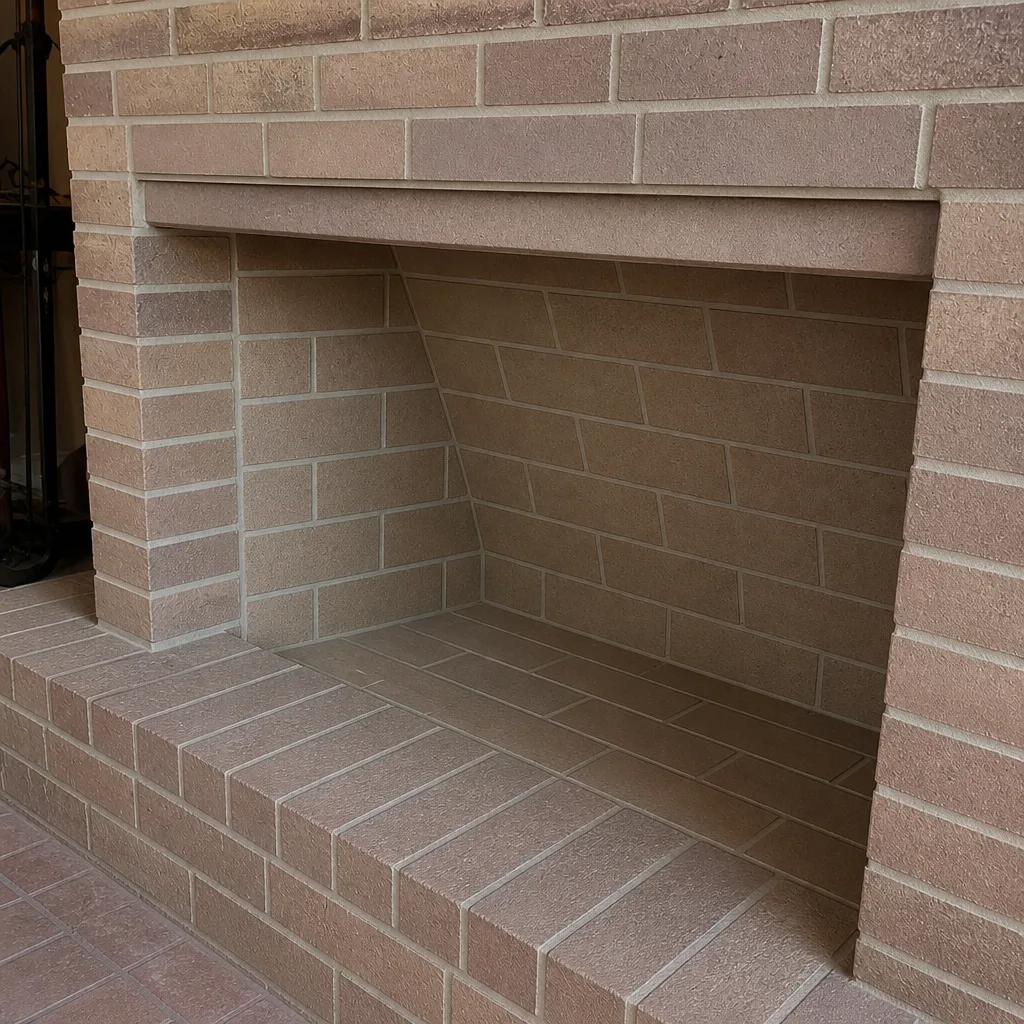
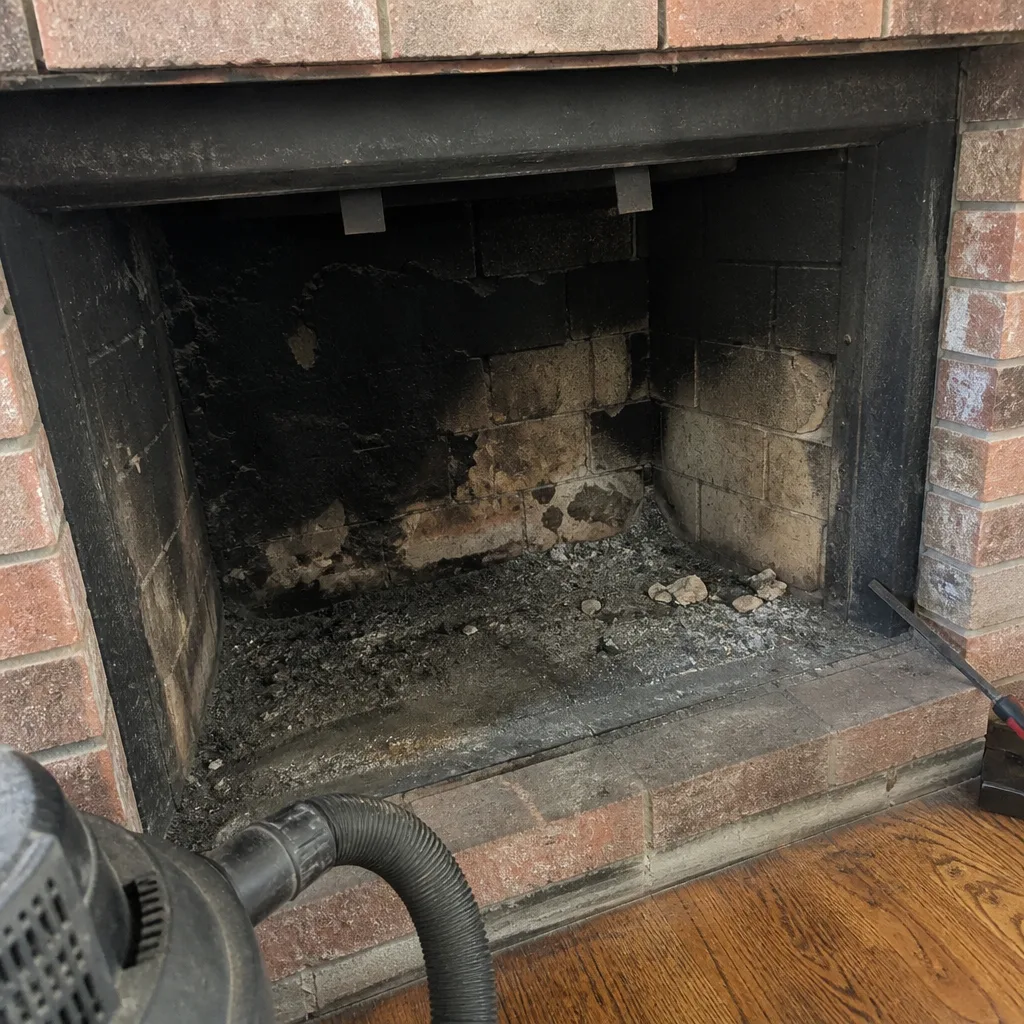
See the difference
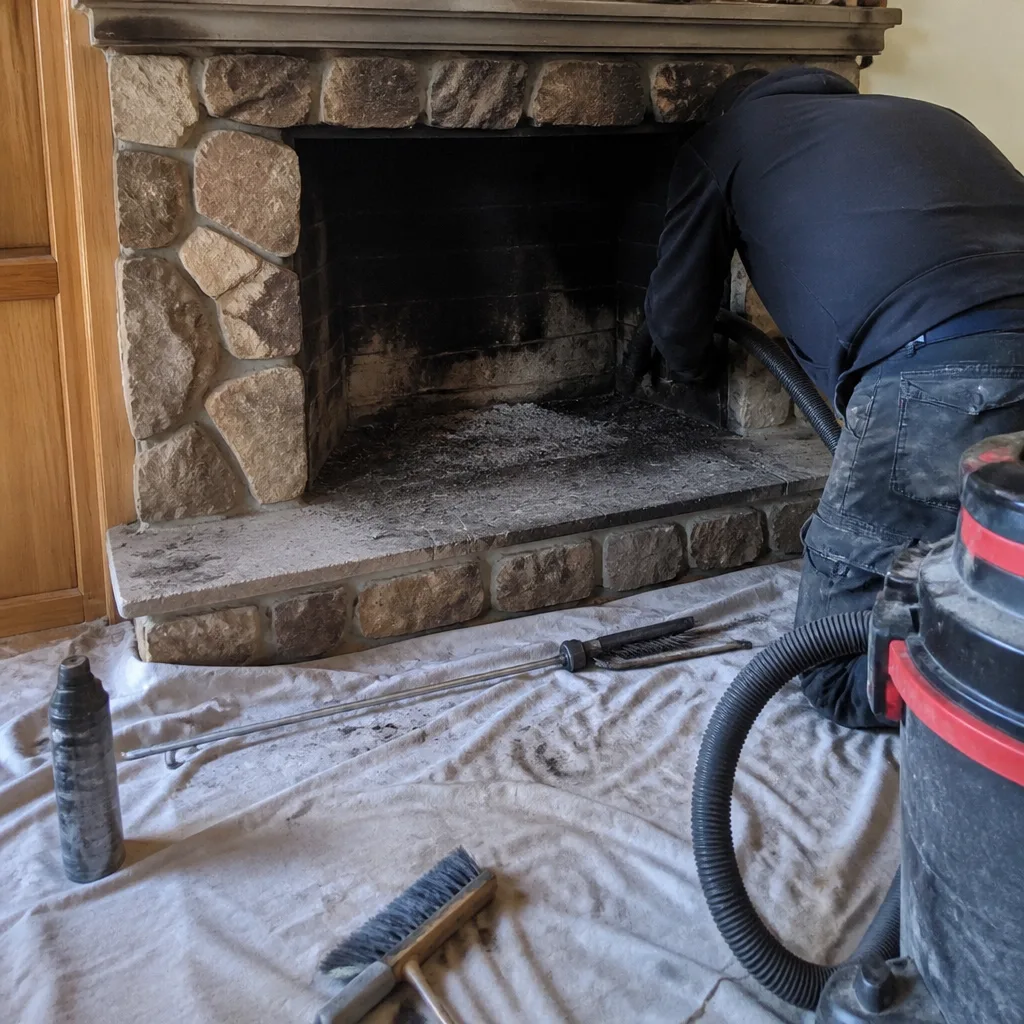 Before
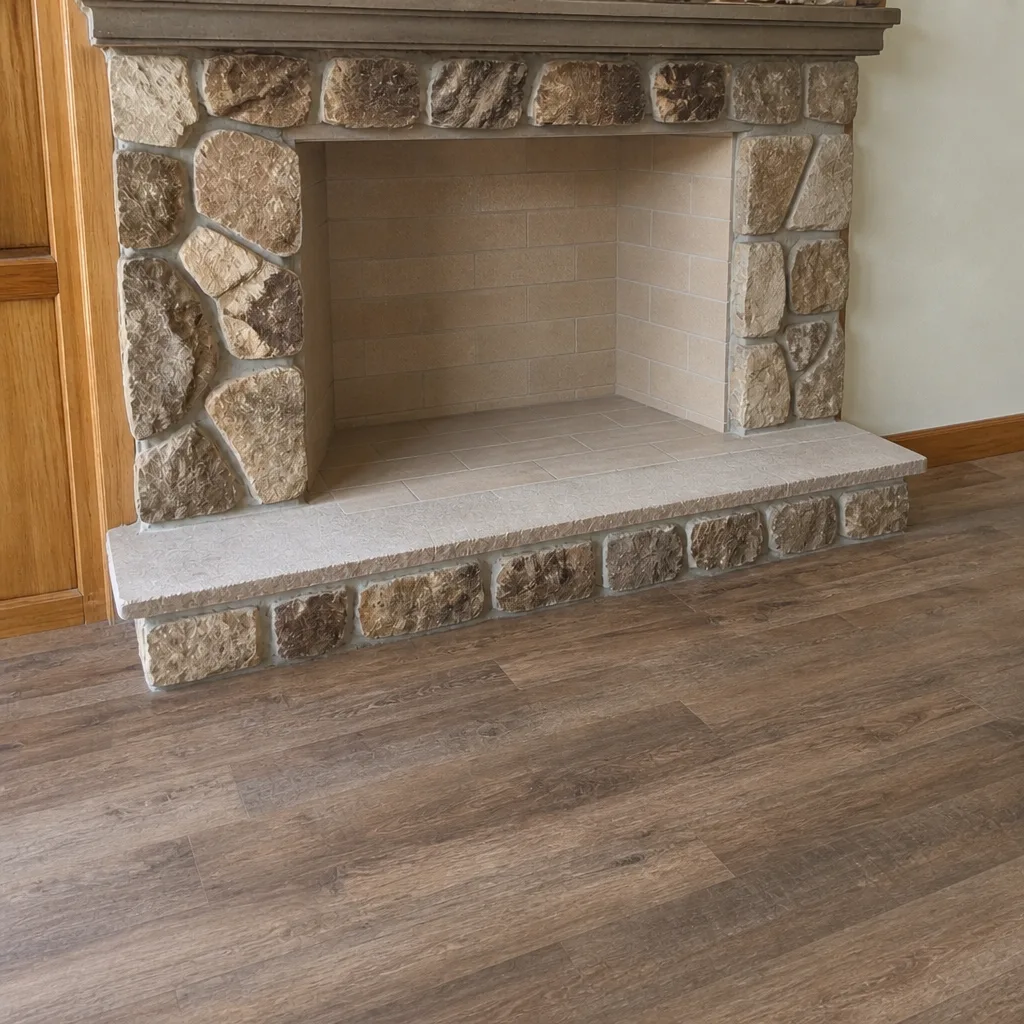 After
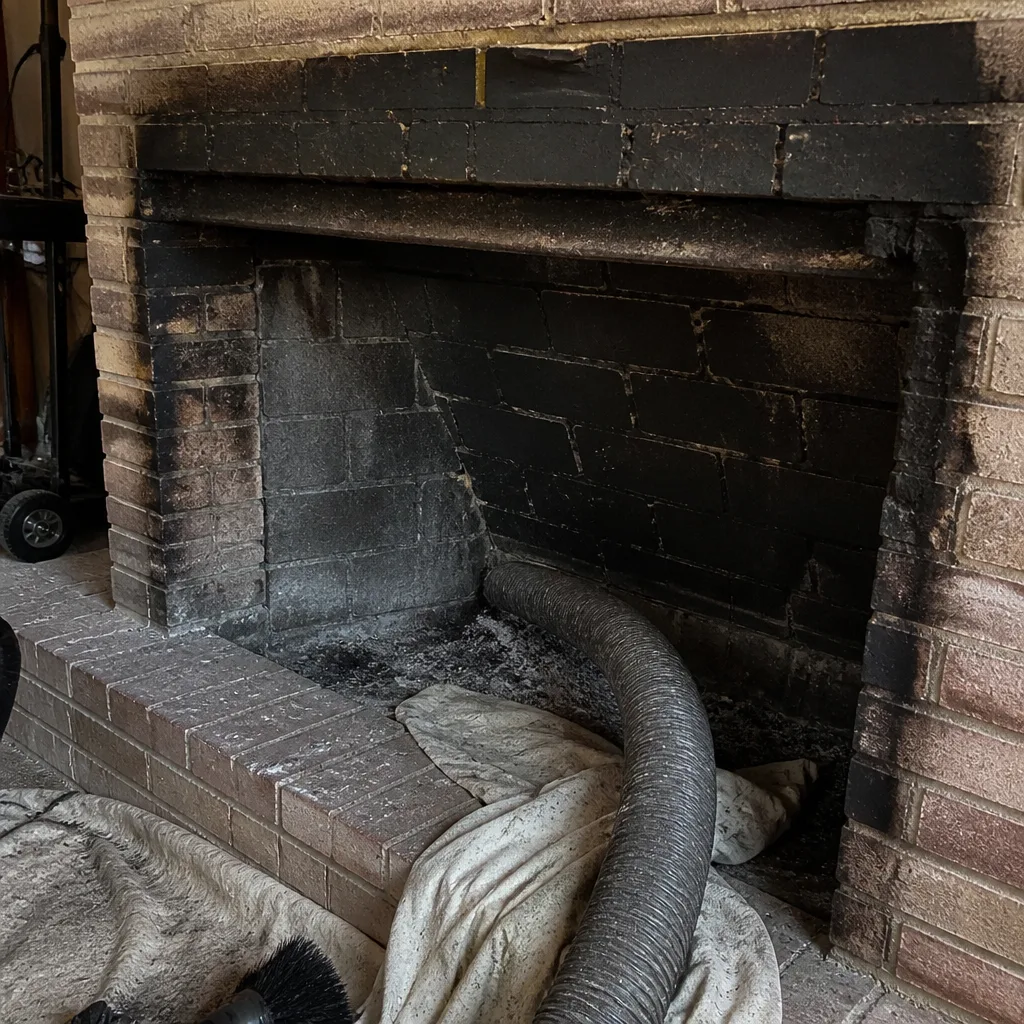 Before
 After
 Before
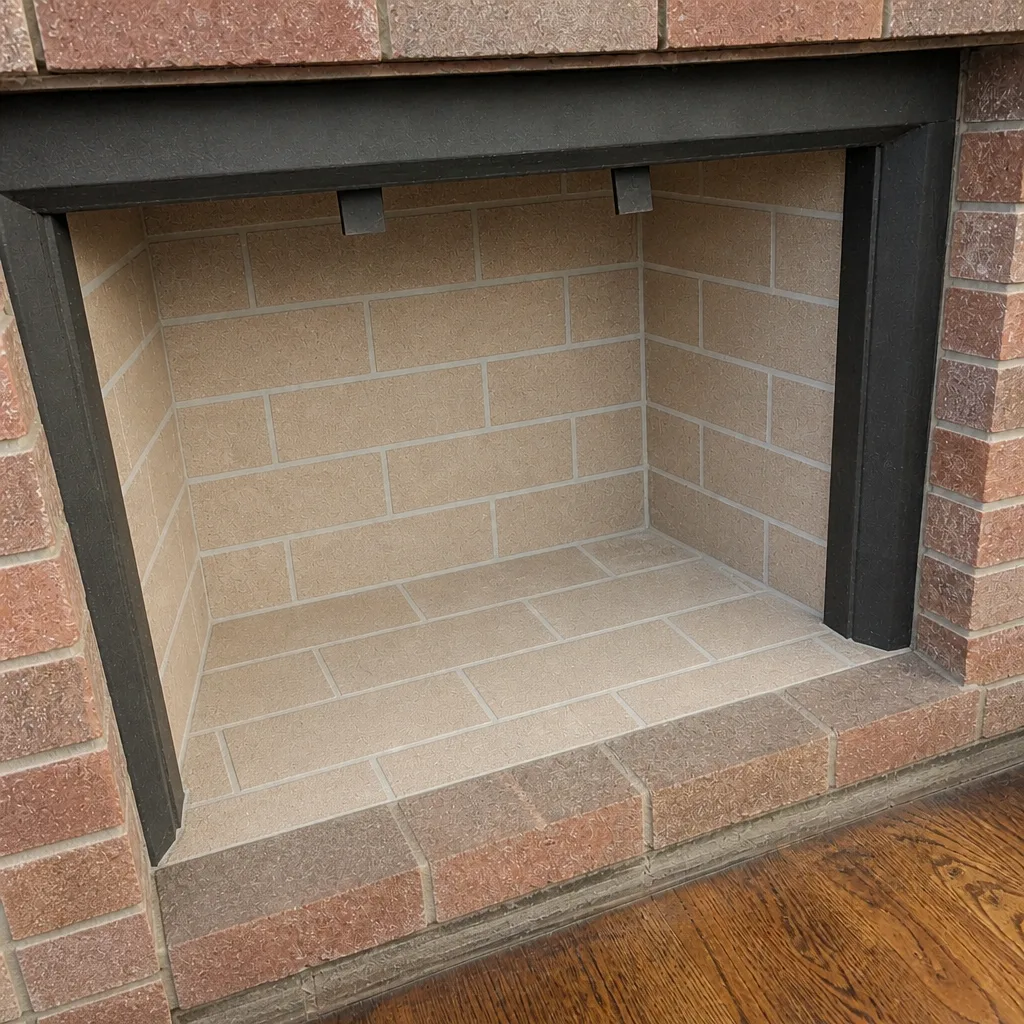 After
When to Call a Professional
Some chimney work is genuinely a call-a-professional job, and it’s a short list. If you’ve had a chimney fire, call before you light another fire. If you see water stains in the firebox or on the ceiling near the chimney after a monsoon storm, call and get the crown and cap checked before the next one. If the liner has visible cracks or gaps through the camera, don’t burn until it’s addressed. If the damper won’t seal, call before spring wind. And if you don’t know the last time the chimney was swept, that’s the simplest reason of all to call and get a pre-season sweep on the calendar. Chimney Sweep Enterprise offers free estimates in Enterprise. Call (855) 752-5896. We answer 24/7. Fast dispatch from 7am to 7pm, Sunday through Friday.
Frequently Asked Questions
A chimney in Enterprise should be swept once a year, in October before the first fire, and inspected at the same visit. The desert burn season is short, so most homes get through a year on one well-timed pre-season sweep. Homes that burn nearly every day through the winter may also want a mid-season check, since creosote builds faster with heavy use. Call (855) 752-5896 for an exact quote. Estimates are free.
You need a new liner when the camera inspection shows the current liner is cracked, gaping, or no longer providing an unbroken barrier between the fire and the structure of the house. Not every inspection ends in a reline; many come back clean or show a minor issue that can be repaired. The inspection is how you know, and the camera footage is the evidence. We specify HeatShield resurfacing and DuraFlex flexible liner systems for this work because they’re built for the kind of thermal cycling the desert creates. Call (855) 752-5896 and we’ll walk through the findings with you.
Skipping the sweep lets creosote accumulate in the flue season after season, and creosote is the fuel for a chimney fire. It also means the crown, cap, and liner never get inspected, so the crack that opens in summer goes unnoticed until it becomes water damage inside the house. The annual sweep is the appointment that catches small problems before they’re structural. Call (855) 752-5896 to get it on the calendar.
The crown matters more in Enterprise because the thermal cycling is harder on it than steady rain would be. The crown expands in 105°F-plus summer heat and contracts hard at night, and that cycle opens hairline cracks that a wet climate would reveal quickly. Here, the cracks sit quietly until the monsoon forces water through them. A crown coat applied in late spring closes those cracks before the monsoon, which is why the timing matters. Call (855) 752-5896 to schedule a crown check.
No. A sweep removes soot and creosote; an inspection uses a camera to evaluate the liner, crown, cap, and damper. They’re different jobs, and they need to happen in the order sweep-then-inspection so the camera can actually see the liner. Chimney Sweep Enterprise handles all three service categories, sweep, repair, and inspection, so the findings get acted on by the same specialist. Call (855) 752-5896 to book both.
Address it as soon as it’s found, with one nuance: crown and cap work is best done in late spring or early summer, before the heat and the monsoon, while liner and damper issues found in the October inspection should be fixed before the first fire. Spring dust sealing is a March job. The one thing that shouldn’t wait is a safety finding like a cracked liner. Don’t burn until it’s addressed. Call (855) 752-5896 to get a free estimate on whatever the inspection turned up.
The Bottom Line
Enterprise’s chimney calendar is built around heat, wind, and a short monsoon, not around spring and fall. The crown gets its crown coat in late spring, before the worst of it. The sweep and camera inspection happen in October, in that order, so the inspection actually sees the liner. Creosote gets watched through the burn season. The damper gets sealed in March so spring dust stays outside. Do those four things in the right order and the chimney holds up through the off-season and is ready when the first fire is lit. Skip them, and the damage happens quietly in the months you’re not using the fireplace at all. That’s the whole reason a desert chimney needs a schedule. Any of it can start with a free estimate. Call (855) 752-5896. We answer 24/7. Fast dispatch from 7am to 7pm, Sunday through Friday.
Written by the team at Chimney Sweep Enterprise.