
Last updated November 16, 2026
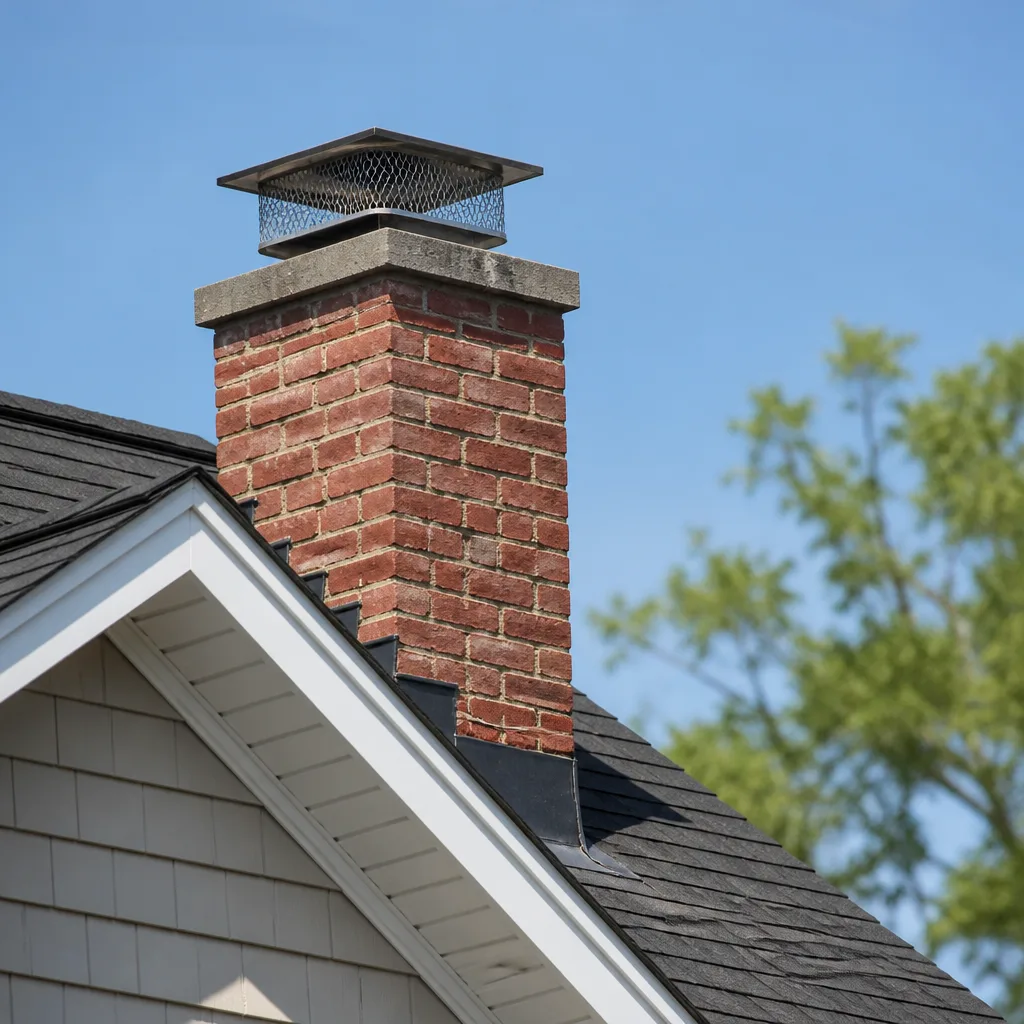 Sweep & inspection
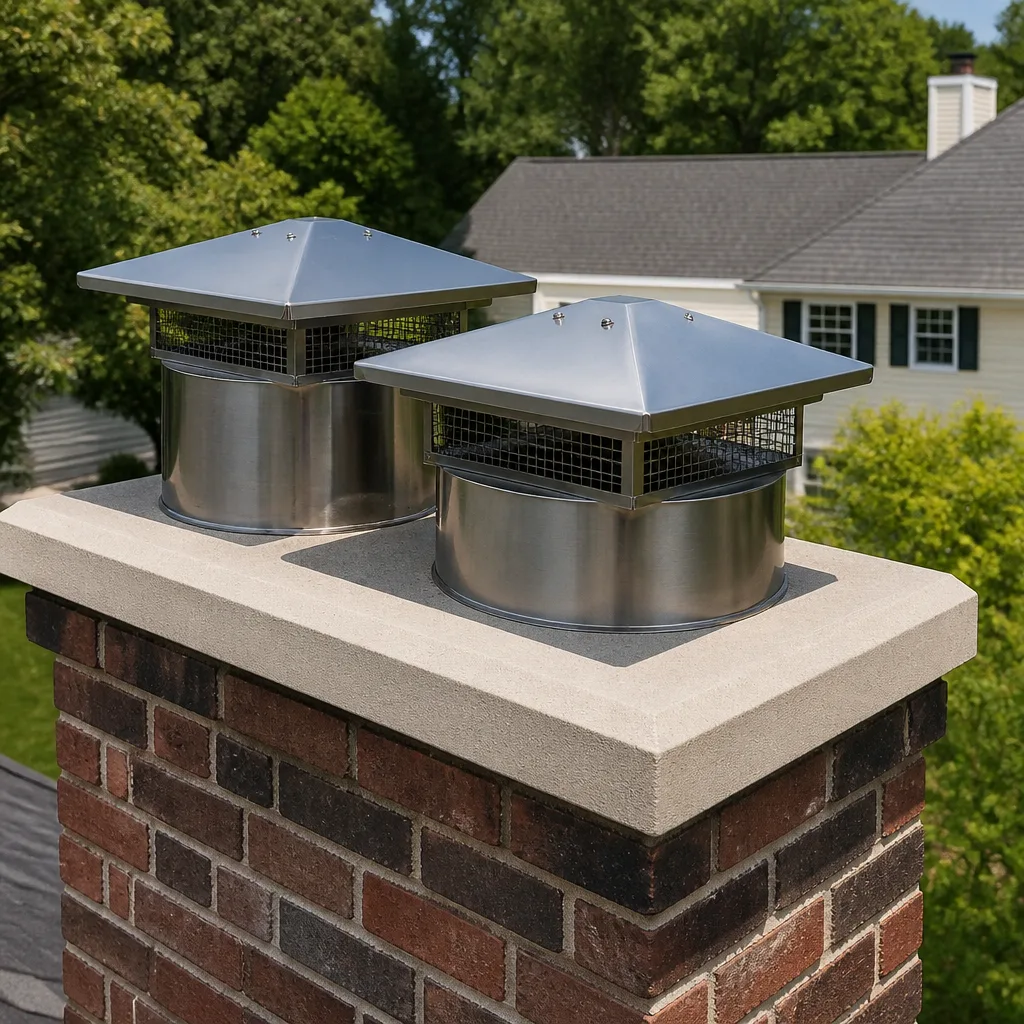 Caps & crowns
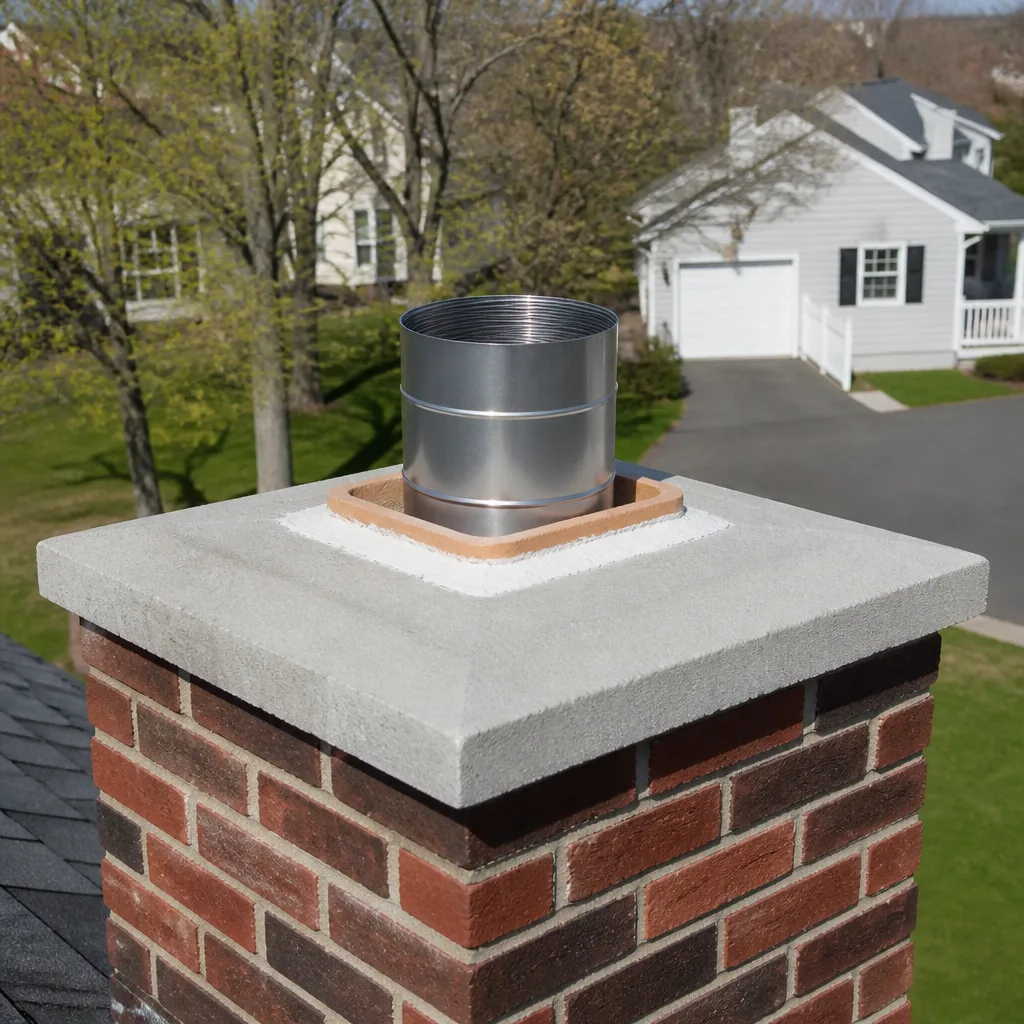 Flue relining
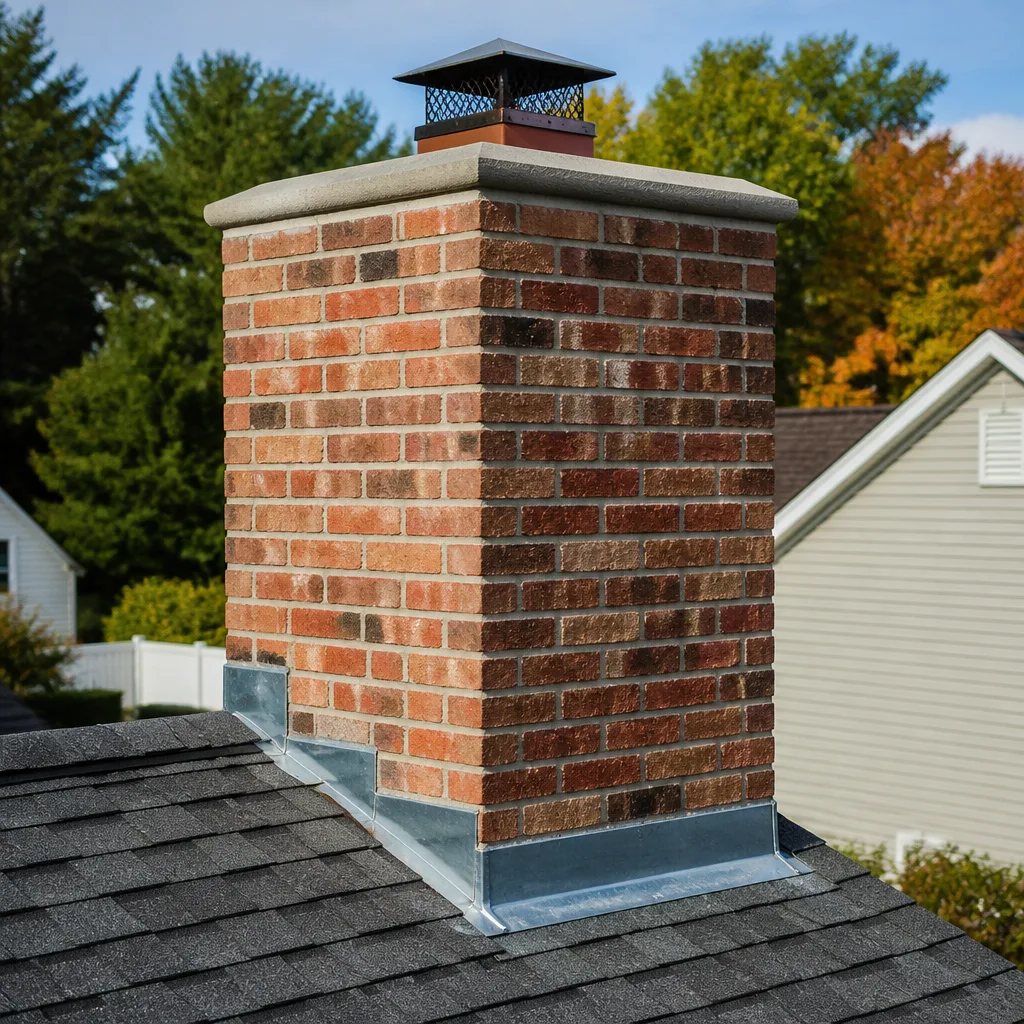 Masonry repair
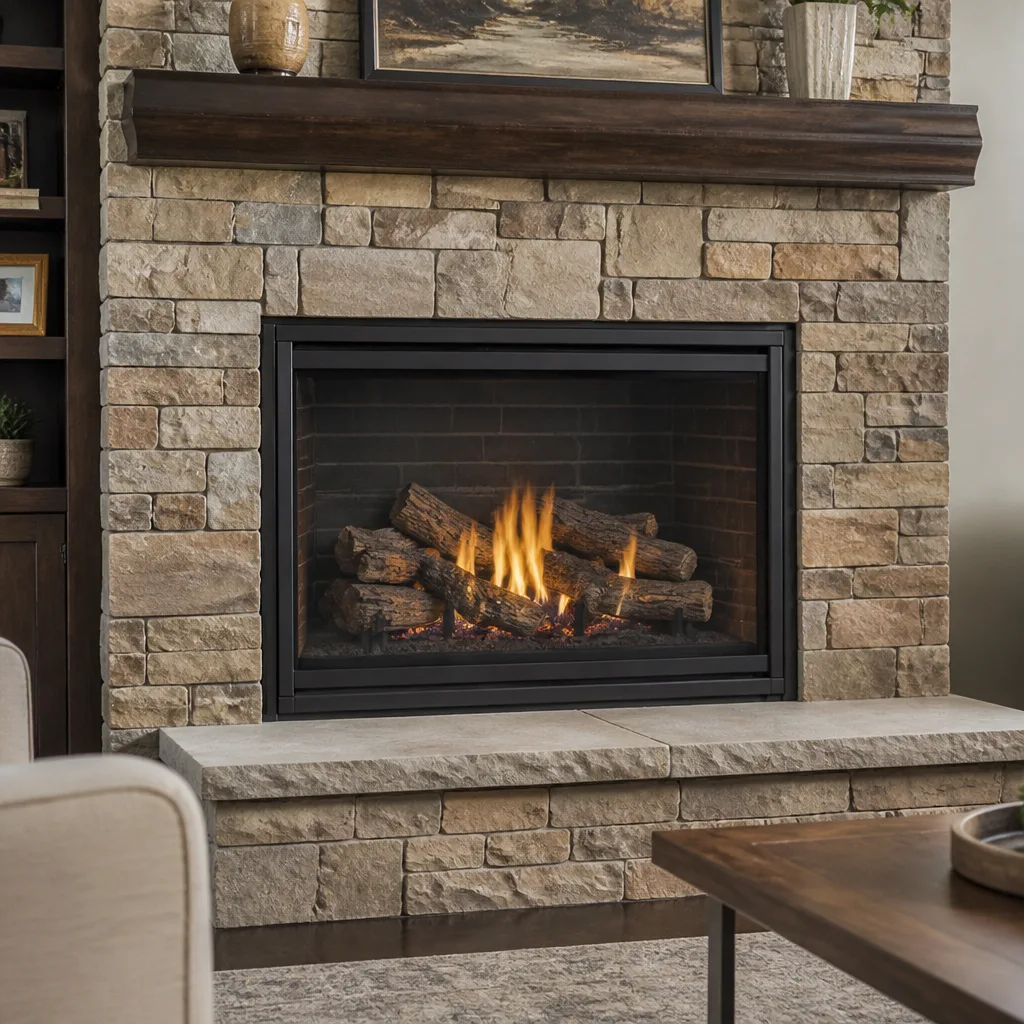 Gas fireplace service
Level 1 sweep and inspection to the NFPA 211 annual standard - flue, crown, cap, and flashing checked and photographed
Chimney sweep logs do not sweep chimneys. They loosen some creosote - which then falls where a brush and vacuum still have to collect it.
Chimney Cleaning Cost Breakdown: The Enterprise Homeowner’s Reference for 2026
Three Enterprise homeowners call for chimney cleaning. One gets quoted $89, one gets quoted $225, one gets quoted $450. All three quotes are valid, but they cover three completely different scopes of work, and that gap is exactly where homeowners lose money. Nobody is lying to you. The word “cleaning” is just doing too much work in the conversation, and it hides the difference between a brush-down and a documented inspection of a flue system. This reference breaks down what each price tier actually buys, which materials drive the number up, and how to read a quote line by line so you can compare apples to apples before you book.
Quick Answer
Chimney cleaning in Enterprise typically runs $89 to $150 for a basic sweep, $150 to $250 when a Level 1 inspection is included, and $250 to $400 when the technician runs a camera and hands you a written report. Repair scopes start above that and depend on materials: a HeatShield resurfacing job and a full stainless liner replacement are not the same purchase, and a quote should tell you which one you’re getting and why. The written estimate is what sets the final price, and you should never book on a phone number alone.
Styles & brands we work with
- Sweep & inspection
- Caps & crowns
- Flue relining
- Masonry repair
- Gas fireplace service
Table of Contents
- What are the four chimney cleaning price tiers?
- What drives cost up or down in a quote?
- How much does liner replacement cost, and which material is right?
- How do you read a chimney quote line by line?
- Why is the $89 special usually a loss-leader?
- What cost factors are specific to Enterprise homes?
- Common Mistakes to Avoid
- When to Call a Professional
- Frequently Asked Questions
What are the four chimney cleaning price tiers?
There are four tiers, and each one answers a different question. A basic sweep asks “is the flue clear?” A sweep plus inspection asks “is the flue clear, and is the system safe to use?” A camera scope asks “what does the inside of the flue actually look like, and can I prove it?” Repair asks “what do we fix, with what material, and for how long?” Most pricing confusion in Enterprise comes from comparing a Tier 1 quote against a Tier 3 quote as if they were the same product.
Tier 1: Basic sweep, $89 to $150
This is a brush and vacuum job on an accessible flue with a straightforward firebox. The technician removes creosote and soot, checks that the damper moves, and clears the smoke shelf. What it doesn’t include matters just as much: no camera, no written findings, and often no look at the crown or cap from the roof. If your flue has never been scoped and you burn wood regularly, this tier alone leaves you guessing.
Tier 2: Sweep plus Level 1 inspection, $150 to $250
Here the technician sweeps and then performs a visual inspection of the accessible portions of the system: firebox, damper, smoke chamber, flue, cap, and crown. You get a verbal report and usually a short written note. For a homeowner on a yearly rhythm with no known issues, this is the sensible baseline.
Tier 3: Sweep plus camera inspection and written report, $250 to $400
A camera goes down the flue and the technician records what it sees. You receive a written report with findings and photos. This tier exists for a reason: cracks, gaps in liner joints, and offset damage in a masonry flue simply don’t show up from the firebox looking up. When you’re buying a house, insuring one, or deciding whether a liner is genuinely failing, this is the tier that answers the question.
Tier 4: Repair scopes, priced per job
Repairs are quoted individually because the variables are real: crown rebuilds, chase cover replacement, cap installation with Gelco or Famco components, HeatShield resurfacing, and liner work. A repair quote should always name the material and the reason for it. If it doesn’t, ask.
What drives cost up or down in a quote?
Five things move the number, and only one of them is the cleaning itself. Understanding them lets you predict your own quote before you call, which is the single best defense against a surprise on the invoice.
- Access. A flue reached from the roof costs more than one swept from the firebox. Roof pitch, roof height, and whether the technician can safely stand and work all affect labor time.
- Roof surface. Tile roofs require more careful footing and often more setup than composition shingle. That setup is labor, and labor is the biggest line item in any quote.
- Creosote condition. Light, dry soot brushes out quickly. Glazed, tar-like creosote in a third-degree stage takes longer, requires more aggressive tooling, and sometimes means the flue needs evaluation before it can be safely used again.
- Disposal. Soot and creosote have to leave your property and be disposed of properly. A quote that itemizes disposal is being honest about a real cost.
- Materials. This is where quotes diverge most. A cap is not a cap. A liner is not a liner. The difference between an anonymous part and a specified product from Olympia Chimney or Copperfield is a difference in what the system will do in ten years.
Notice what isn’t on that list: the size of the house, the age of the neighborhood, or how nice the fireplace looks. A quote built on those factors instead of the five above is a guess dressed up as a price.
How much does liner replacement cost, and which material is right?
Liner work is the most expensive common chimney repair, and it’s also where the widest range of quoted prices comes from, because three different materials solve three different problems. The cheapest option is not automatically the wrong one. It’s wrong when it’s applied to a flue that needed something else.
HeatShield resurfacing
HeatShield is a resurfacing system applied to the inside of a clay tile flue to seal cracks and restore a smooth, continuous surface. It’s the right answer when the existing tile structure is sound and the problem is deterioration at the joints and surface. It extends flue life rather than masking damage, and it costs less than a full reline because it works with the flue you already have. It is not the right answer for a flue with structural failure or a badly oversized flue that needs resizing.
Flexible stainless: DuraFlex
A flexible stainless liner is the standard solution for a flue that has failed, is unlined, or needs to be resized to match the appliance. DuraFlex flexible liner systems are what chimney professionals specify when the flue path has offsets or the chimney needs a continuous new interior surface. This is a full reline, so it carries the highest cost of the three, and it’s also the most durable answer when the flue genuinely needs replacing.
Rigid stainless
A rigid stainless liner is appropriate for a straight flue with no offsets and often pairs with a wood stove installation where a specific flue diameter is required. It’s less adaptable than flexible, but in the right chimney it performs well and can price between resurfacing and a full flexible reline.
How to tell which one you need
- Get a chimney sweep with camera inspection first. Material decisions made without seeing the flue are guesses.
- Ask for the findings in writing, with photos. The evidence should be yours to keep.
- Ask the technician to name the material and explain why it fits your flue, not why it’s the cheapest.
- Get the installation and the inspection from the same company if you can, so nobody blames the other trade when something goes wrong.
How do you read a chimney quote line by line?
A quote you can’t read is a quote you can’t compare. Every chimney quote should break into four categories, and if any category is missing, ask for it before you agree to anything.
- Labor. How many technicians, and what the work involves. Labor should reflect access difficulty, not a flat rate applied to every house.
- Access. Roof work versus firebox work should be stated explicitly. This is the line item most often hidden inside a lump-sum number.
- Disposal. Removal and proper disposal of soot, creosote, and any demolished material such as an old cap or chase cover.
- Materials, named. A serious quote specifies the product, not just “cap” or “liner.” You should see Gelco, Famco, Olympia Chimney, Copperfield, DuraFlex, or HeatShield named where they apply. Anonymous materials mean you can’t verify what you paid for.
One more habit worth building: ask what is not included. A quote that clearly states its exclusions is more trustworthy than one that claims to cover everything. And nothing should be recommended without camera evidence you can see for yourself. If the findings are real, the technician will be glad to show them. If they can’t or won’t, that tells you something.
Why is the $89 special usually a loss-leader?
Because $89 doesn’t cover the labor, the drive, the setup, and the disposal on a real sweep. That math doesn’t work, which means the price isn’t the product. The product is what happens once the technician is standing in your living room with a flashlight and a found problem.
This is not an accusation against every company running an introductory price. Some use it as a genuine entry point and behave professionally. But the structure creates pressure, and pressure produces recommendations that a camera would not support. The pattern looks like this:
- A very low advertised price gets the appointment booked.
- Once on site, the technician finds “glaze,” “a cracked flue,” or “a failed crown” and presents a repair quote on the spot.
- The homeowner, already committed to the visit and without independent information, agrees.
The defense is simple and it costs nothing. Ask two questions before you book: what exactly does the advertised price include, and will I receive findings in writing with photos? A company that answers both clearly is one you can work with. A company that gets vague about scope is telling you what the visit will really be about.
The other side of the coin matters too. A quote that seems high isn’t automatically a rip-off. If it includes a camera inspection, a named liner system, and disposal, it may be the honest number for a bigger job. Compare scope, not price.
What cost factors are specific to Enterprise homes?
Enterprise has a housing mix that shows up directly in chimney quotes. The valley’s dry climate and long hot season mean many fireplaces sit unused for months and then get a heavy winter of burning, which concentrates creosote buildup into a shorter window. That pattern makes an annual inspection more valuable here than in a climate where the fireplace runs steadily all year.
Here’s how local housing shapes the price:
Single-story ranch access
Single-story homes are generally the least expensive to service. A one-story roofline is easier and safer to reach, setup is quicker, and the labor line reflects it. Most of the older single-story housing in Enterprise falls into the lowest end of the sweep range for that reason.
Two-story homes
A two-story roofline adds height, ladder work, and often a steeper pitch. Expect the quote to land toward the upper end of the sweep tiers even when the flue condition is identical to a ranch home’s.
Tile roof surcharge
Tile roofs are common in Enterprise and they require more careful footing and more setup time than shingle. This shows up as a modest access charge, and it’s a legitimate one. Technicians who work tile roofs regularly protect both themselves and your roof.
Chase cover replacement
Chase covers take a beating from intense sun and wide temperature swings. When a cover rusts through or seals fail, water gets into the chase and the damage spreads. Replacement is a per-job quote because the size and configuration vary, and it’s one of the few chimney repairs where waiting genuinely makes the eventual bill larger. That said, if your cover is intact and sealed, it can safely wait, and a technician should tell you so.
For a broader look at how these services fit together in the valley, see our page on Enterprise.
Common Mistakes to Avoid
- Comparing a Tier 1 quote to a Tier 3 quote. A $120 sweep and a $350 camera inspection aren’t competing offers; they’re different services. Line up the scope before you line up the price.
- Booking on price alone with no written scope. In a market with this much price variation, the written scope is the only thing that lets you compare fairly. Ask for it before the appointment, not after.
- Accepting a repair recommendation with no camera evidence. Liner and masonry work is expensive and hard for a homeowner to verify. If the technician can’t show you the problem on screen, you have no reason to approve the work.
- Letting a cheap sweep become an unplanned reline. The upsell pressure at a loss-leader price is real. Bring your own questions and don’t sign anything on the spot that you haven’t read carefully.
- Assuming a clean flue means a safe system. A flue can be swept clean and still have a cracked crown, a failing cap, or deteriorating tile joints. Cleaning and inspection answer different questions.
- Skipping the annual sweep because the fireplace “worked fine last year.” Creosote accumulates quietly, and the dry Enterprise climate doesn’t change that. The fire that burns well is often the one with the buildup you haven’t seen yet.
- Hiring a general handyman for chimney work. Chimney systems have specific failure modes and specific materials designed for them. A chimney repair done with generic parts is a repair you’ll be paying for twice.
When to Call a Professional
Call a professional if you’ve burned a full season or more since the last sweep, if you notice a strong odor from the fireplace in warm months, if smoke rolls into the room instead of going up, or if you see staining or crumbling on the chimney exterior. Call immediately if you smell gas near a gas fireplace, or if you’ve had a chimney fire, even a small one; the flue needs evaluation before it’s used again.
Some of this work involves genuine hazards. Creosote removal, flue evaluation, and any work on the roof or the flue interior belong to trained technicians with the right tooling and fall protection. High-tension components and electrical or gas connections should never be handled by a homeowner. This isn’t a job to attempt from a ladder with a brush and good intentions.
Chimney Sweep Enterprise offers free estimates in Enterprise. Call (855) 752-5896. We answer 24/7. Fast dispatch from 7am to 7pm, Sunday through Friday.
Frequently Asked Questions
A basic sweep in Enterprise typically runs $89 to $150, a sweep with a Level 1 inspection runs $150 to $250, and a sweep with camera inspection and a written report runs $250 to $400. Repair work is priced per job after findings. Call (855) 752-5896 for an exact quote; estimates are free.
Only if the evidence says so. A liner is warranted when the flue has failed, is unlined, or needs resizing to match the appliance, and that determination should come from a camera inspection with photos you can review. If your flue is sound and the issue is surface deterioration, HeatShield resurfacing may be the correct and less expensive answer. Call (855) 752-5896 and ask for the findings in writing before you decide.
Once a year is the standard rhythm for a home that burns wood regularly, and it’s a sensible baseline in Enterprise where the burning season is concentrated. A gas fireplace or wood stove may need less frequent sweeping but still benefits from an annual inspection. Call (855) 752-5896 to book a Chimney Sweep Enterprise visit and confirm what your system actually needs.
Creosote keeps accumulating, and at higher concentrations it becomes the fuel a chimney fire needs. A blocked or deteriorated flue can also let combustion gases back into the living space instead of venting them outside. Neither outcome is guaranteed, and that’s the problem: you can’t see the buildup from the firebox. Call (855) 752-5896 for a free estimate and get the flue looked at.
Sometimes, and sometimes not. A smoky fireplace is often a draft problem caused by a flue that’s too short, an oversized flue, a blocked cap, or a pressure issue in the house, and cleaning alone won’t correct any of those. A camera inspection and written report is the right starting point. Call (855) 752-5896 for an estimate.
Yes. Estimates are free and the price is set per job by the written estimate, so nothing is final until you’ve seen the scope and the materials named. We’ll tell you plainly when work can safely wait. Call (855) 752-5896. We answer 24/7. Fast dispatch from 7am to 7pm, Sunday through Friday.
The Bottom Line
The wide range in chimney cleaning quotes isn’t a sign that someone is cheating you. It’s a sign that the word “cleaning” covers four different scopes, from a $89 brush-down to a $400 camera-inspected report. Compare scope, not price, and insist that every quote names its labor, access, disposal, and materials. When a repair is recommended, ask for camera evidence you can see and keep. The right question isn’t “who’s cheapest,” it’s “what am I actually buying, and can you show me why I need it?” That’s the question a specialist is happy to answer, and it’s the one that keeps your fireplace safe through another Enterprise winter.
Call (855) 752-5896 for a free estimate. We answer 24/7. Fast dispatch from 7am to 7pm, Sunday through Friday.
Written by the team at Chimney Sweep Enterprise.
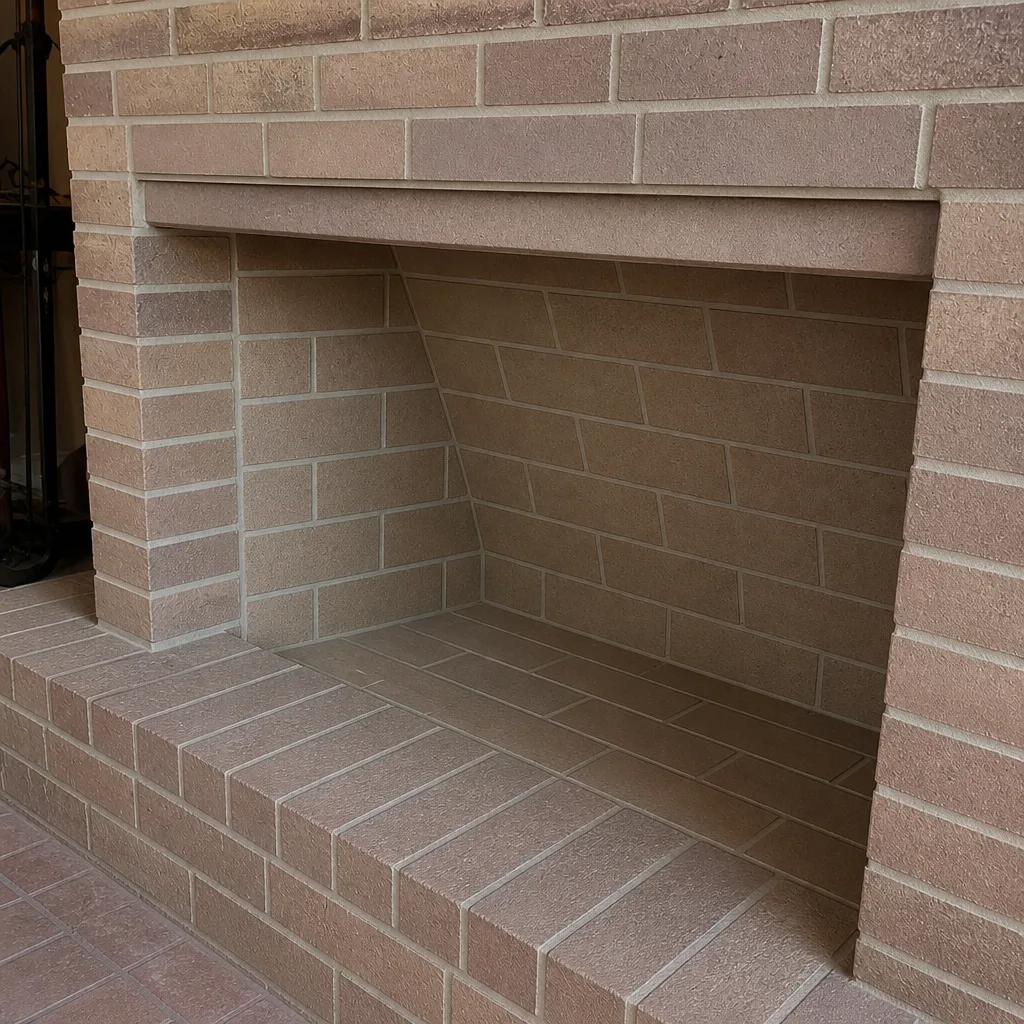
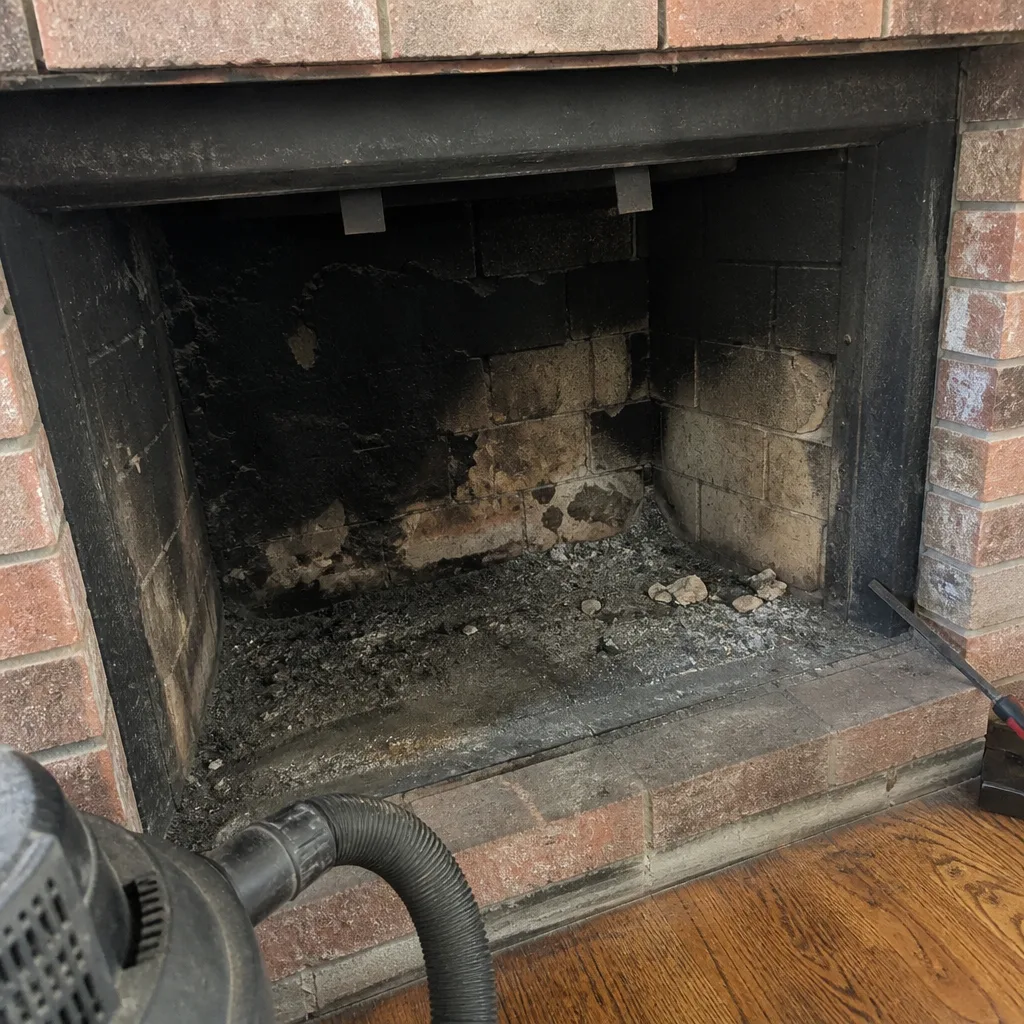
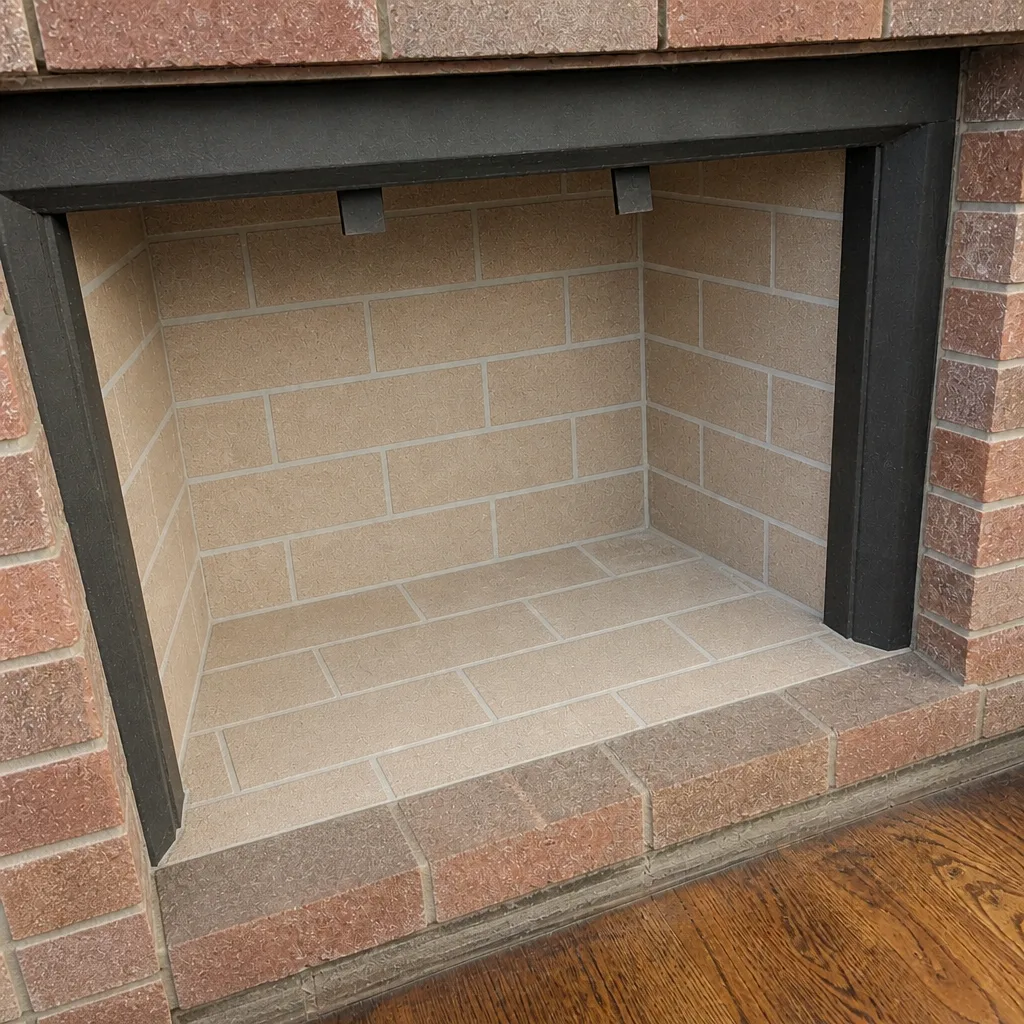
See the difference
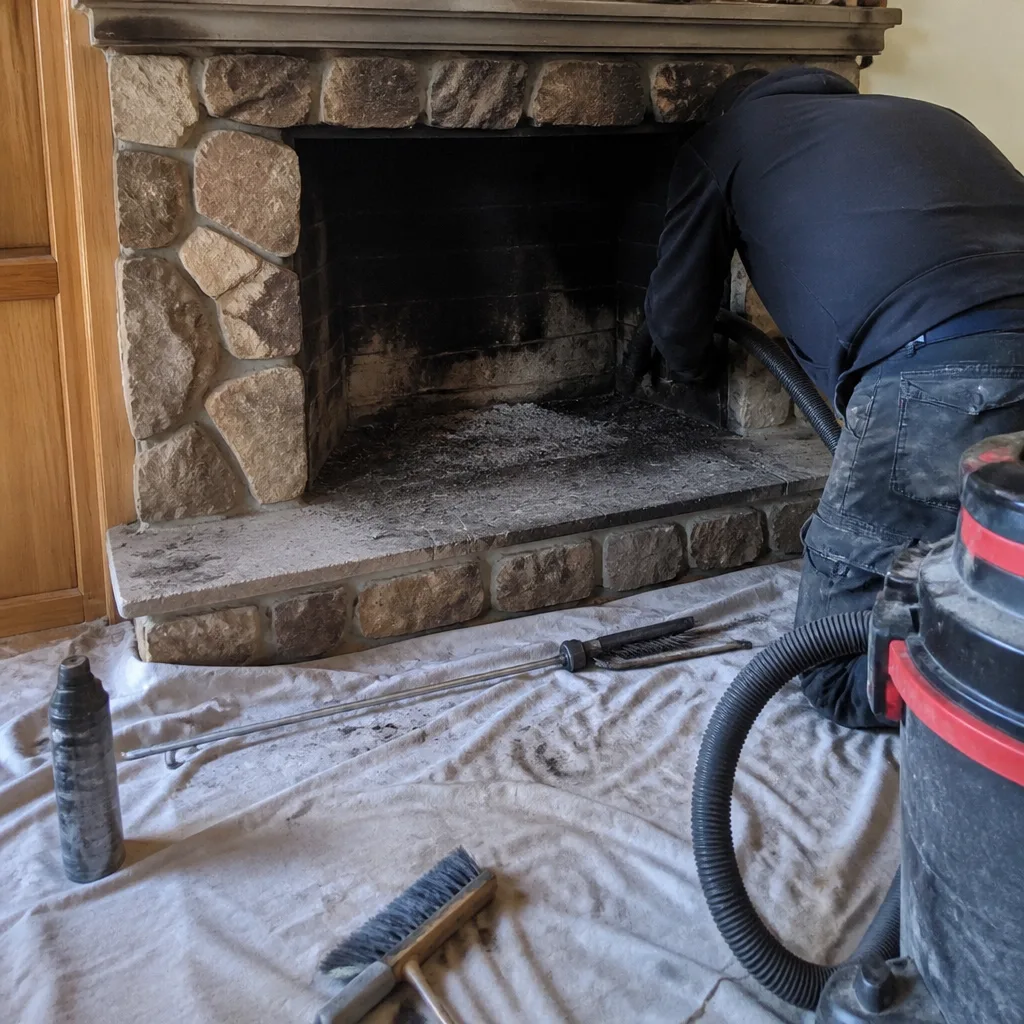 Before
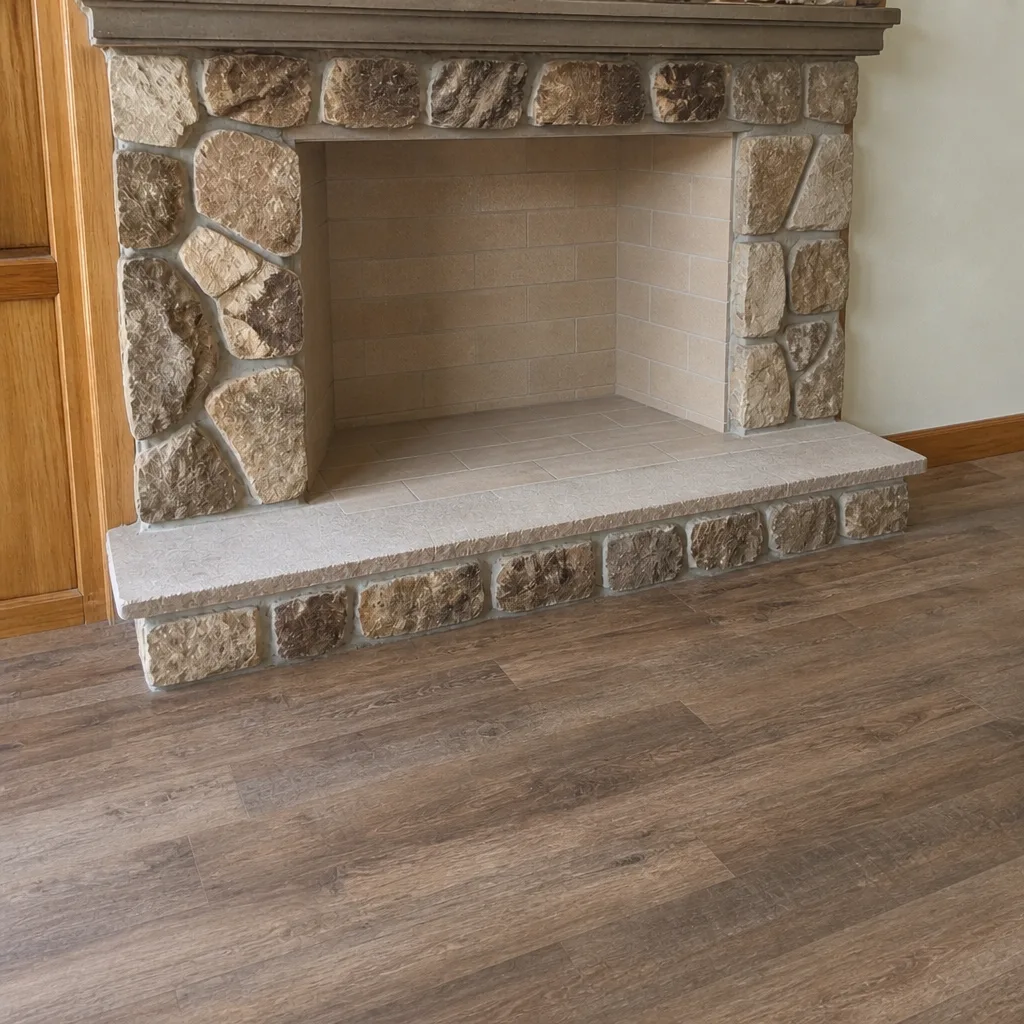 After
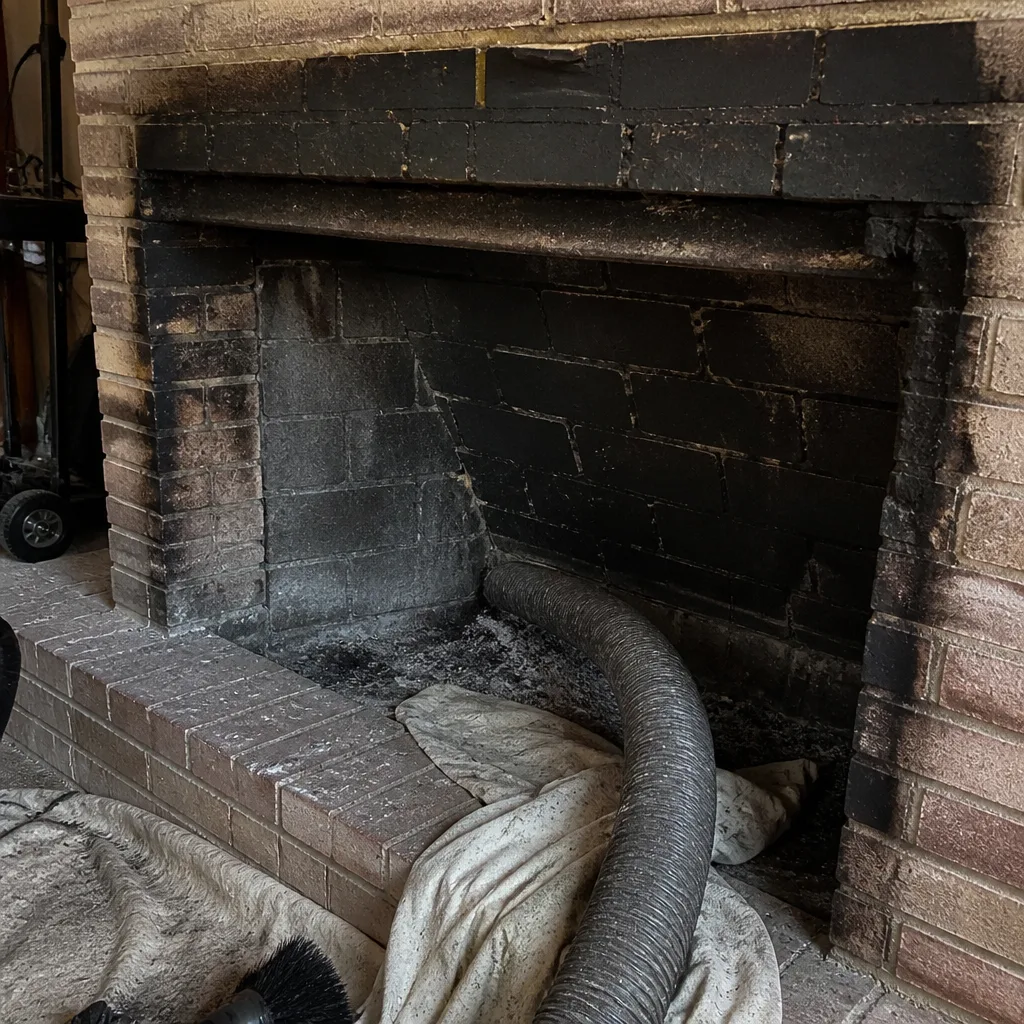 Before
 After
 Before
 After