
Last updated November 16, 2026
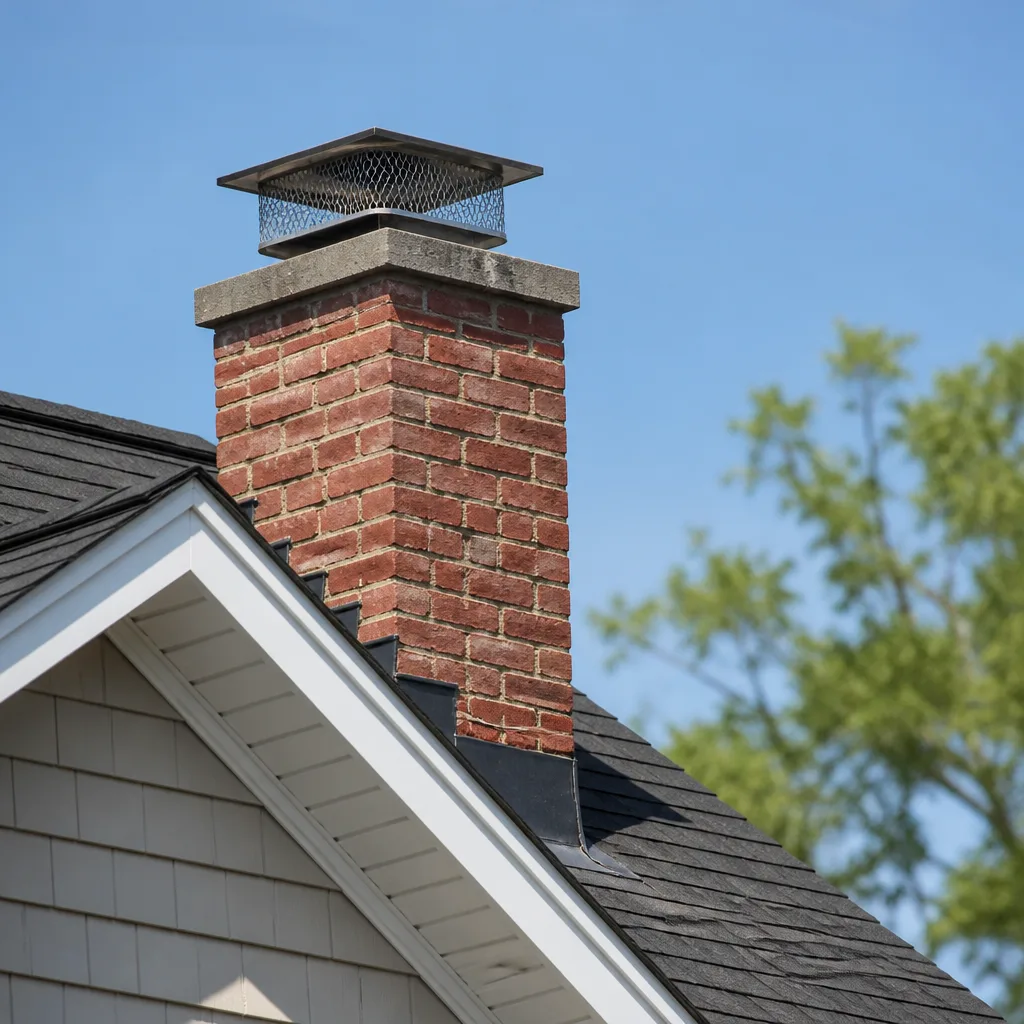 Sweep & inspection
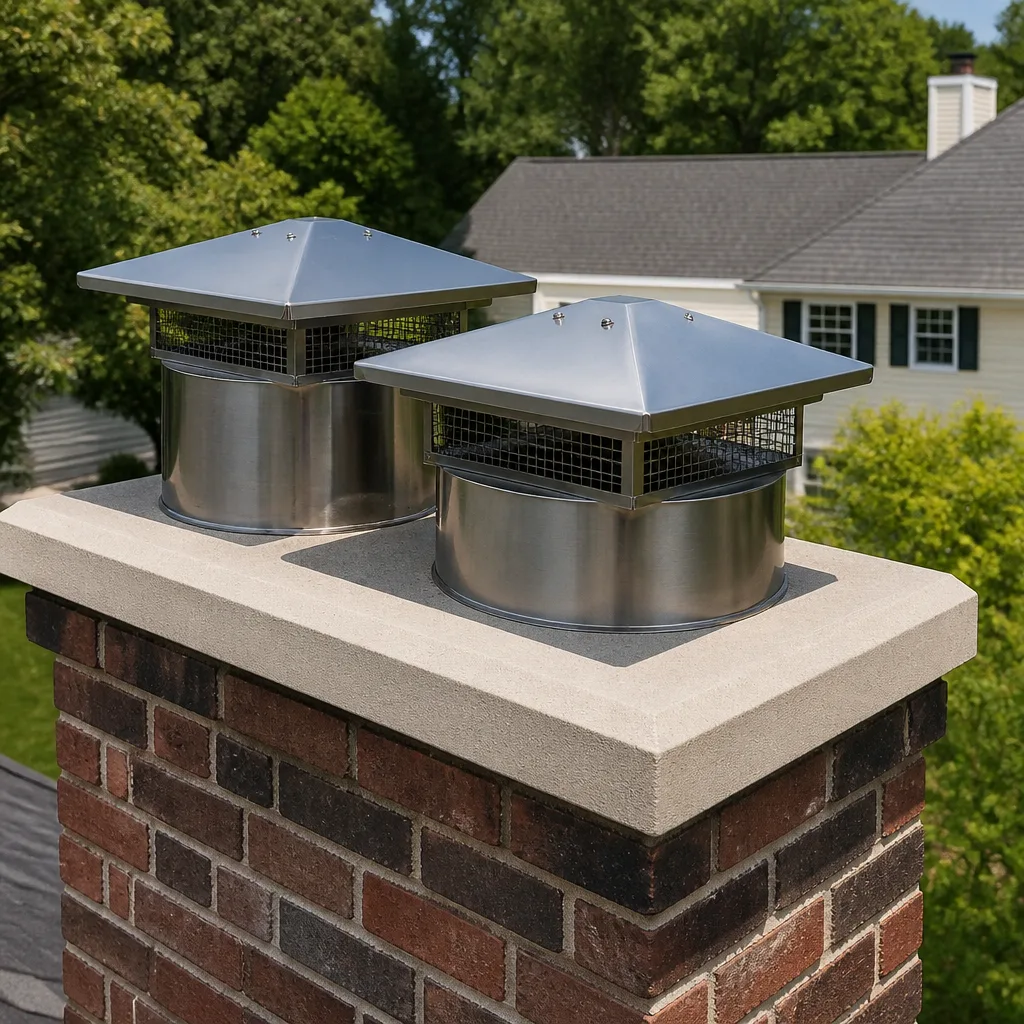 Caps & crowns
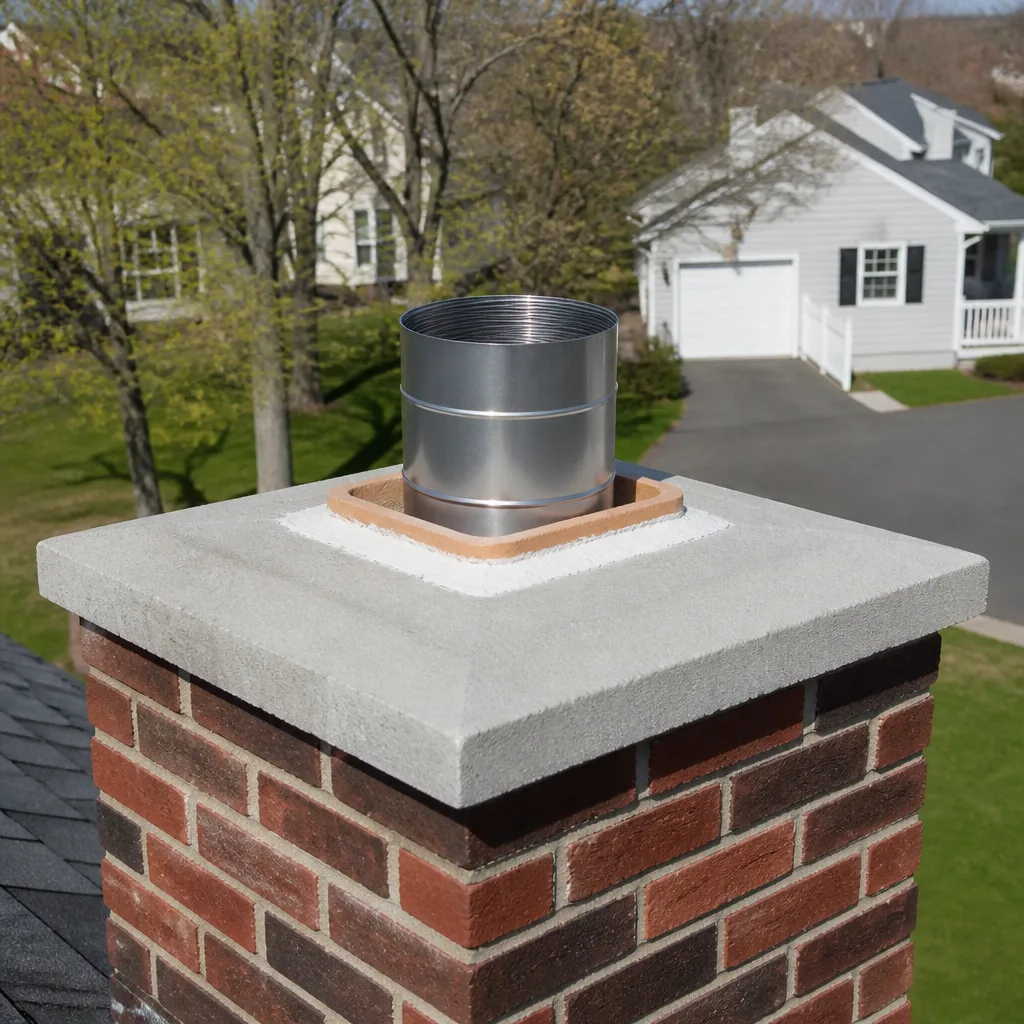 Flue relining
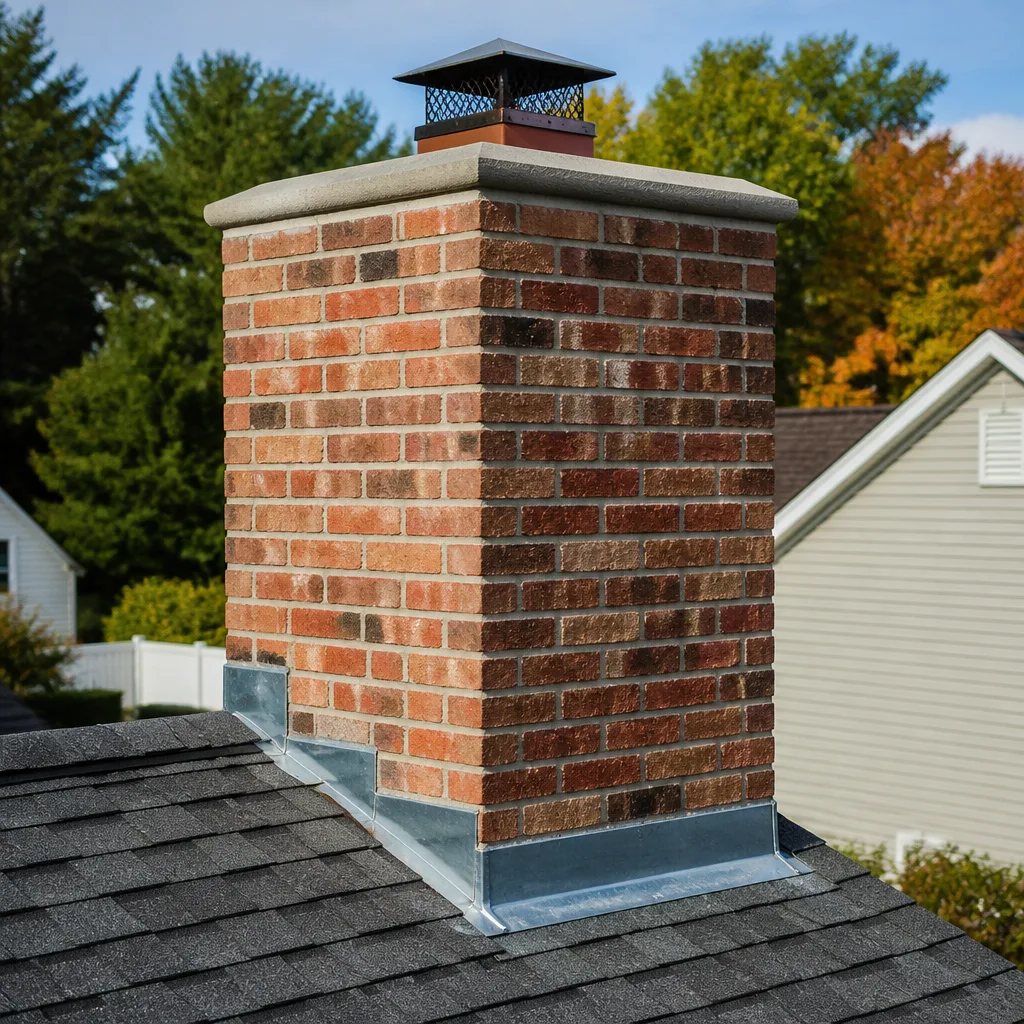 Masonry repair
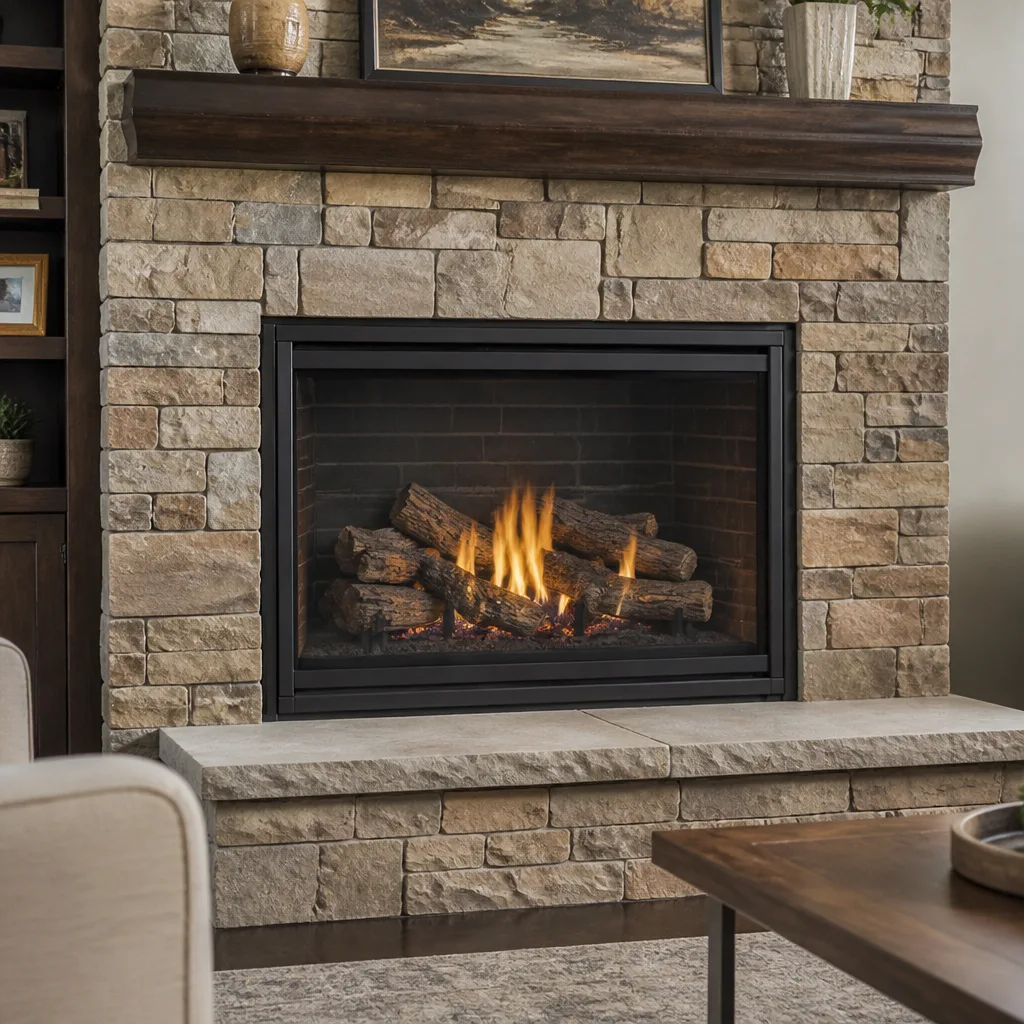 Gas fireplace service
Level 1 sweep and inspection to the NFPA 211 annual standard - flue, crown, cap, and flashing checked and photographed
Chimney sweep logs do not sweep chimneys. They loosen some creosote - which then falls where a brush and vacuum still have to collect it.
How to Hire a Chimney Cleaning Contractor in Enterprise: A Step-by-Step Guide
Nevada doesn’t license chimney sweeps. That’s the fact that should reset how you shop. The person quoting a low flat rate and the specialist who shows up with certification, insurance, and a written scope of work are treated identically by state law, which is to say neither is required to prove anything before getting on your roof. That leaves the burden of screening on you, the homeowner in Enterprise. This guide walks through the exact questions, documents, and red flags that separate a real chimney professional from a handyman with a vacuum, so you can hire with confidence instead of hope.
Quick Answer
To hire a chimney cleaning contractor in Enterprise, verify three things before you book: current CSIA (Chimney Safety Institute of America) certification, proof of general liability and workers’ comp insurance, and a willingness to name the brands of any liner or repair materials they’d use. Ask for a written scope of work and a flat-price sweep agreed before the visit.
Styles & brands we work with
- Sweep & inspection
- Caps & crowns
- Flue relining
- Masonry repair
- Gas fireplace service
Table of Contents
- Why Enterprise’s Chimney Market Is Unregulated
- The Five Questions to Ask Before You Schedule
- What CSIA Certification Actually Verifies
- How to Verify Insurance Before They Get on Your Roof
- Red Flags Specific to Low-Bid Sweeps
- Why the Brand Names Matter
- What Desert Living Does to Your Chimney
- Reading the Inspection Report
Why Enterprise’s Chimney Market Is Unregulated
State law in Nevada doesn’t require a license to clean a chimney. You won’t find a state board to call, a license number to look up, or an enforcement mechanism when something goes wrong. Anyone can print “chimney sweep” on a truck and start taking calls. That’s not a knock on Enterprise specifically. It’s the reality everywhere chimney work isn’t a licensed trade, and it puts the burden of due diligence squarely on the homeowner.
What this means in practice: the polite person who quotes a low price over the phone may have no certification, no insurance, and no idea how a flue is sized for the appliance connected to it. They may also be a legitimate general handyman who genuinely means well but has never learned what a heat shield inspection or a proper camera scan looks like. Neither sort is what you want in your chimney.
The homeowner’s leverage in an unregulated market is verification. Insurance is verifiable. Certification is verifiable. Brand names are verifiable, because a supplier will confirm whether a contractor has a trade account. When you ask a contractor to name the materials they install and they can’t, that tells you the operational depth of the company before they ever step on your roof. In Enterprise, where summer heat pushes fireplaces into seasonal use and the desert air pulls dust into every opening, the contractors worth hiring are the ones who treat your chimney as a system rather than a quick vacuum job.
Specialist firms exist on the other end of the spectrum. A company that works exclusively in the chimney trade – cleaning, repair, and inspection under one roof – carries tooling and product knowledge a generalist can’t replicate. That’s the standard we hold ourselves to at Chimney Sweep Enterprise. We use professional-grade materials specified by name because that’s how the trade is supposed to work. When you’re comparing contractors in Enterprise, hold every one of them to that bar.
The Five Questions to Ask Before You Schedule
You don’t need a long interview. Five well-chosen questions cut through the noise faster than any checklist a directory hands you. Ask these by phone or email before you hand over a credit card or set an appointment.
- Are you CSIA certified, and can I see your card? Certification isn’t a license, but it’s the closest thing to a professional benchmark the chimney trade has. Ask for the card, not a verbal yes.
- What brand of liner do you install? Any contractor who names a professional line – DuraFlex, for example – is talking about a product with a documented manufacturer behind it. Vague answers like “whatever the supply house has” tell you what you need to know.
- Are you insured, and can you send a certificate? Ask for a certificate of general liability insurance naming you as the insured for the job. If they can’t produce one, don’t book.
- What’s the scope of the sweep, in writing? A proper sweep includes a top-to-bottom flue cleaning, a check of the firebox and damper, and a visual inspection of the venting. Get that spelled out before they arrive.
- Will I get photos or a report? A camera inspection with a photo report is standard practice for a specialist. If the answer is “we’ll tell you if anything’s wrong,” the standard is falling short.
Ask those five questions of any contractor who quotes you in Enterprise. The answers separate a professional from a parts-changer in about three minutes.
What CSIA Certification Actually Verifies
CSIA certification is issued by the Chimney Safety Institute of America and requires a written exam, a code of ethics, and continuing education to stay current. It’s not a state license and doesn’t guarantee perfection. What it does verify is that the person holding the card has demonstrated baseline knowledge of venting, combustion, and inspection standards in an industry that doesn’t police itself.
Here’s what CSIA certification doesn’t cover, and why it’s still worth asking for:
- It doesn’t measure how carefully the technician works on your roof or how well they clean up afterward.
- It doesn’t guarantee the company carries insurance, only that the individual holds certification.
- It doesn’t tell you what products they install or how well they specify them.
- It doesn’t replace the written scope of work or the photo report.
So why ask? Because in an unregulated trade, it’s the most reliable single proxy for competence you have. A certified sweep has invested time and money in learning what a safe flue looks like. A homeowner in Enterprise who asks for the card will very quickly find out who takes the trade seriously. Our technicians have up to experience and work exclusively in the chimney trade, so when certification, experience, and tooling line up, you get a professional.
Pair the certification with the material questions. The combination catches cases where certification exists but the contractor still installs whatever’s cheapest. A sweep with the CSIA card who can also name their liner and their resurfacing system is a full professional, not a partial one.
How to Verify Insurance Before They Get on Your Roof
Chimney work happens at height and near fire. Roof damage, falls, and interior mess are all real risks, and if the contractor isn’t insured, those losses land on you. Verification takes one email.
- Ask for a certificate of insurance. Have them email the COI for general liability and, if they employ anyone directly, workers’ comp. You want to see your address or the job name on the certificate, not just a generic copy.
- Call the carrier. The COI lists the insurance company and policy number. A two-minute call to the carrier confirms the policy is active and the coverage amount.
- Check the trade-specific coverage. General liability covers accidental damage to your house. Workers’ comp covers the crew if someone gets hurt on your roof. Ask for both.
- Confirm the coverage is active as of the visit date. A COI can be expired or canceled. Ask for the effective dates and verify with the carrier that the policy is current.
If a contractor pushes back on that request or sends a certificate that doesn’t clearly show the coverage, treat that as a stop sign. It’s a small ask and a professional answers it without friction. Ask the same of any company you contact in Enterprise; the ones who volunteer the COI before you ask are the ones who’ve been doing it right.
Red Flags Specific to Low-Bid Sweeps
Low-bid sweeps show up in every city and Enterprise is no exception. The pattern is predictable once you know what you’re looking for. These are the specific flags homeowners should watch for before, during, and after the visit.
No written scope of work. A legitimate sweep gives you a written description of what’s included before the visit. If the “scope” is a phone conversation and a handshake, push back. You want to know whether the flue, firebox, damper, and cap are all covered.
High-pressure upsell during the visit. A sweep who arrives to clean and then tells you the liner has to be replaced immediately, before they’ve finished the cleaning or shown you camera footage, is using the visit as a sales channel. Repairs come from evidence you can see, not from a pitch.
Refusal to name materials by brand. Ask which liner they install. A specialist names the brand and the standard the product meets. A handyman says “a stainless liner” and moves on. The brand question is one of the fastest filters you can use.
No camera, no report. A chimney professional brings a camera and shows you what’s inside your flue. If the inspection is a flashlight and a thumbs-up, that’s not an inspection.
No CSIA card and no insurance. Either one missing should end the conversation.
Quotes that don’t match the ask. If the price quoted by phone is dramatically lower than every other contractor in Enterprise, something’s been left out of the number. Ask what’s not included. That answer tells you whether the low price is a bargain or a bait.
Why the Brand Names Matter
A chimney liner isn’t a generic piece of pipe. The material, the wall thickness, and the way it’s joined all affect how long it lasts and how well it handles the flue gases coming up from your fireplace or wood stove. That’s why specifiers in the trade name their materials. DuraFlex flexible liner systems, for example, are built for lining a flue through an older masonry chimney, and the manufacturer stands behind the product with a documented warranty.
When a contractor can name the material, they’re telling you that they buy from trade suppliers and have a relationship with the manufacturer. A general handyman sources from retail or whatever the local supply house has in stock. That gap shows up later, in the lifespan of the liner and in whether the manufacturer will honor a claim.
We specify DuraFlex for liner installs and HeatShield for chimney resurfacing because those are the products professionals in the trade rely on. HeatShield is a resurfacing system designed to extend flue life rather than mask damage with a patch. Famco and Copperfield appear in our cap and component work because they’re the trade-grade lines with proven upstream support. The point is traceability. When you can name the product, you can research it, and when you can research it, you can verify the contractor’s claims.
Ask a contractor in Enterprise which brand of liner they install, which resurfacing system they use, and why. The answer separates a specialist from a generalist in thirty seconds. It also tells you whether they’ll stand behind the install years later if a warranty question comes up.
What Desert Living Does to Your Chimney
Enterprise’s climate is hard on a chimney in ways that coastal or wetter climates aren’t. Summer heat pushes the masonry through expansion and contraction cycles. Dry air and blowing dust accelerate the wear on caps and crown mortar. Winter cold snaps bring freezing nights, and any moisture that’s already in the masonry can freeze, expand, and crack. That cycle is why the firebox and the crown need a look every year, not just the flue.
Dust is the other factor. Desert air carries fine particles that settle into the firebox, into the throat of the damper, and into the smoke shelf during the off-season. A fall sweep in an Enterprise home frequently finds a layer of grit that a coastal home wouldn’t see. That’s still a routine cleaning, but it’s a reason the annual cadence isn’t just about soot and creosote. It’s about the whole system.
Home heating here also tends toward long stretches of non-use followed by heavy use in the colder months. That pattern produces its own risks. A flue that hasn’t been swept in a few seasons can build a creosote layer that looks fine from the outside. Only a camera will tell you what’s actually inside. If you’re in a neighborhood like Enterprise, that’s the inspection cadence we’d recommend: once a year, before the first cold snap, with the camera out.
Gas fireplaces are a part of the mix too. A gas appliance still vents, still needs its venting checked, and still benefits from an annual sweep. Desert dust in the venting can contribute to blockages, and a gas appliance’s venting has to be confirmed clear for safe operation regardless of climate. Our chimney inspection is where that check happens.
Reading the Inspection Report
The inspection report is the single document that tells you whether repairs are needed now, later, or not at all. A proper report includes photos and notes on specific components, and it should be readable by someone without a chimney background. If you can’t understand what the report is telling you, ask.
- Flue condition. Look for notes on cracks, gaps at the joints, and whether the liner is intact or deteriorating. A camera photo of the flue interior is standard.
- Firebox and damper. Cracks in the firebox, a damper that doesn’t seal, and gaps in the firebrick are common findings.
- Crown and cap. The crown is the concrete top around the flue. Cracks in the crown let water in and lead to bigger masonry problems. A missing or damaged cap lets rain and animals in.
- Creosote level. A report should note the stage of creosote buildup (whether it’s light, moderate, or heavy) because that dictates the cleaning schedule and whether the flue needs special attention.
- Venting for the appliance connected. A wood stove or gas fireplace has its own venting requirements. The report should note whether the venting matches the appliance.
The critical thing about the report is that it’s the basis for any repair recommendation. If a repair is recommended, the report should include a photo of the problem. If it doesn’t, ask for one. In an unregulated market, evidence you can see is the difference between a legitimate recommendation and a sales pitch. When repairs are needed, our chimney repair work is scheduled off that report, not off a phone conversation. That’s the standard: inspection first, then scope of work, then repair.
Common Mistakes to Avoid
- Hiring on price alone. The lowest quote in Enterprise usually leaves something out. Ask what’s not included: liner check, damper check, camera, report. The price is only meaningful when you know the scope.
- Skipping the insurance check. If the contractor isn’t insured and someone gets hurt on your roof, you’re the one exposed. Ask for the certificate and verify it with the carrier.
- Accepting a verbal scope. A written scope protects you both ways. It tells you what you’re paying for and gives you a way to check the work was done.
- Letting the sweep sell you a liner during a routine cleaning. A liner recommendation can be legitimate, but it should come from inspection evidence you’ve seen, not from a pitch on the way to the truck.
- Ignoring the crown and cap. These are the parts of the chimney that take the most weather. Cracked mortar at the crown is a slow leak into the masonry, and a missing cap lets in rain and animals. Ask about both on every visit.
- Not asking about licenses or certification. In Enterprise, there’s no state license to check. Ask about CSIA certification specifically and ask for the card.
- Assuming all sweeps sweep the same. A general handyman with a vacuum and a certified chimney professional are not the same job, even if both quote a similar price. The questions in this guide close that gap.
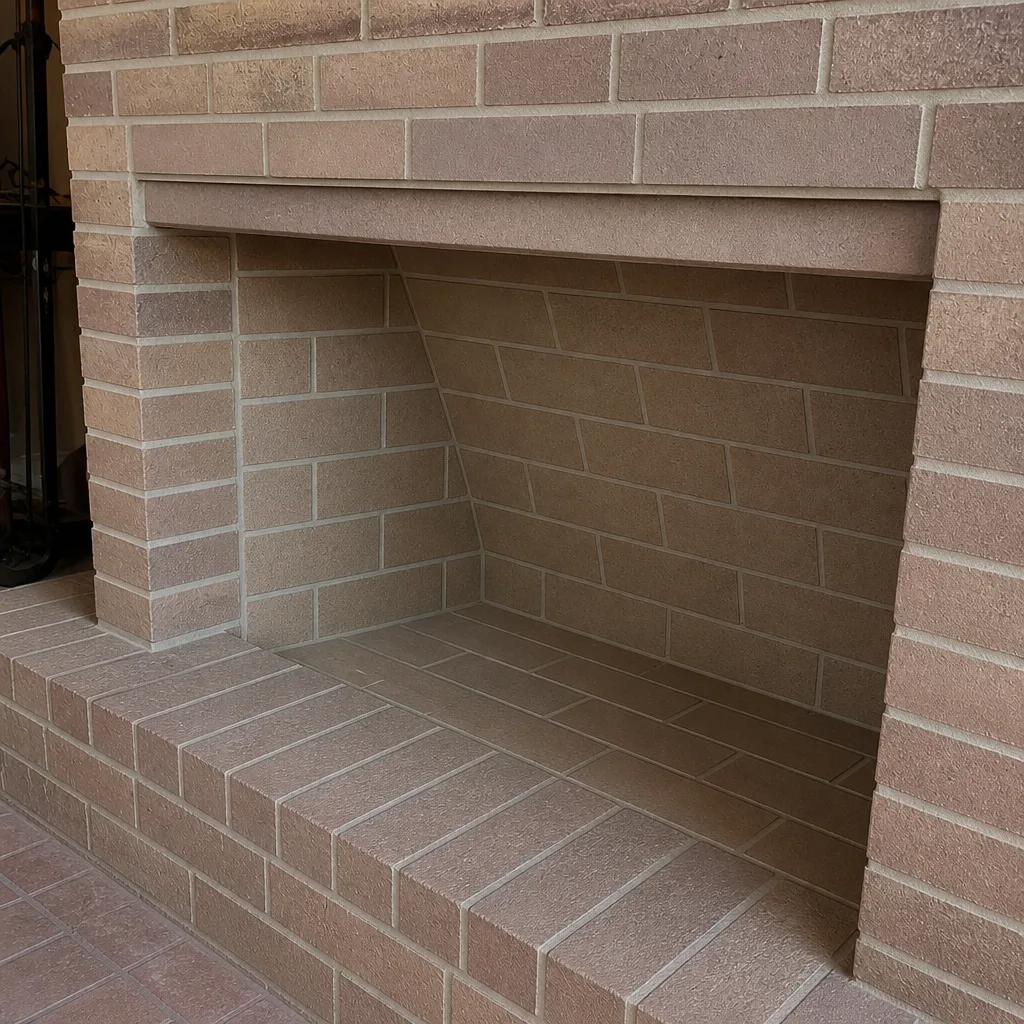
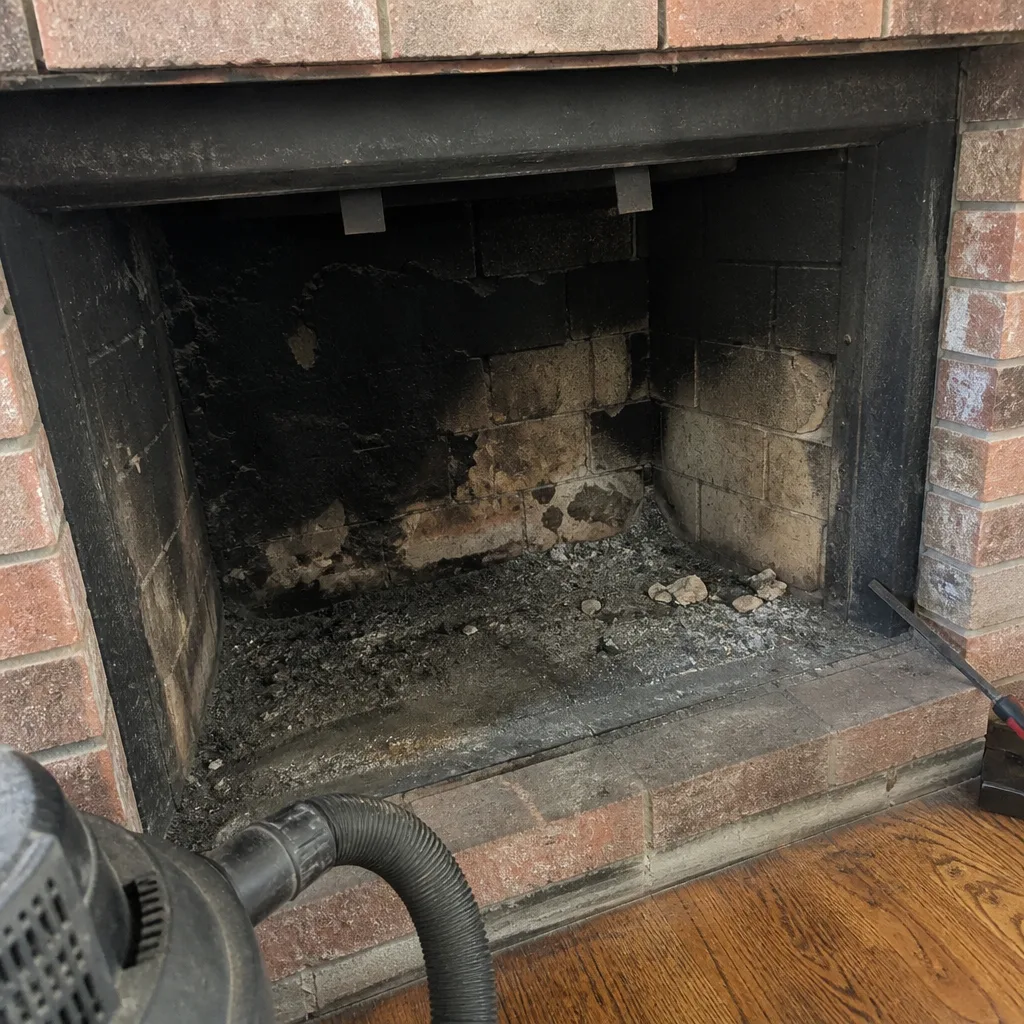
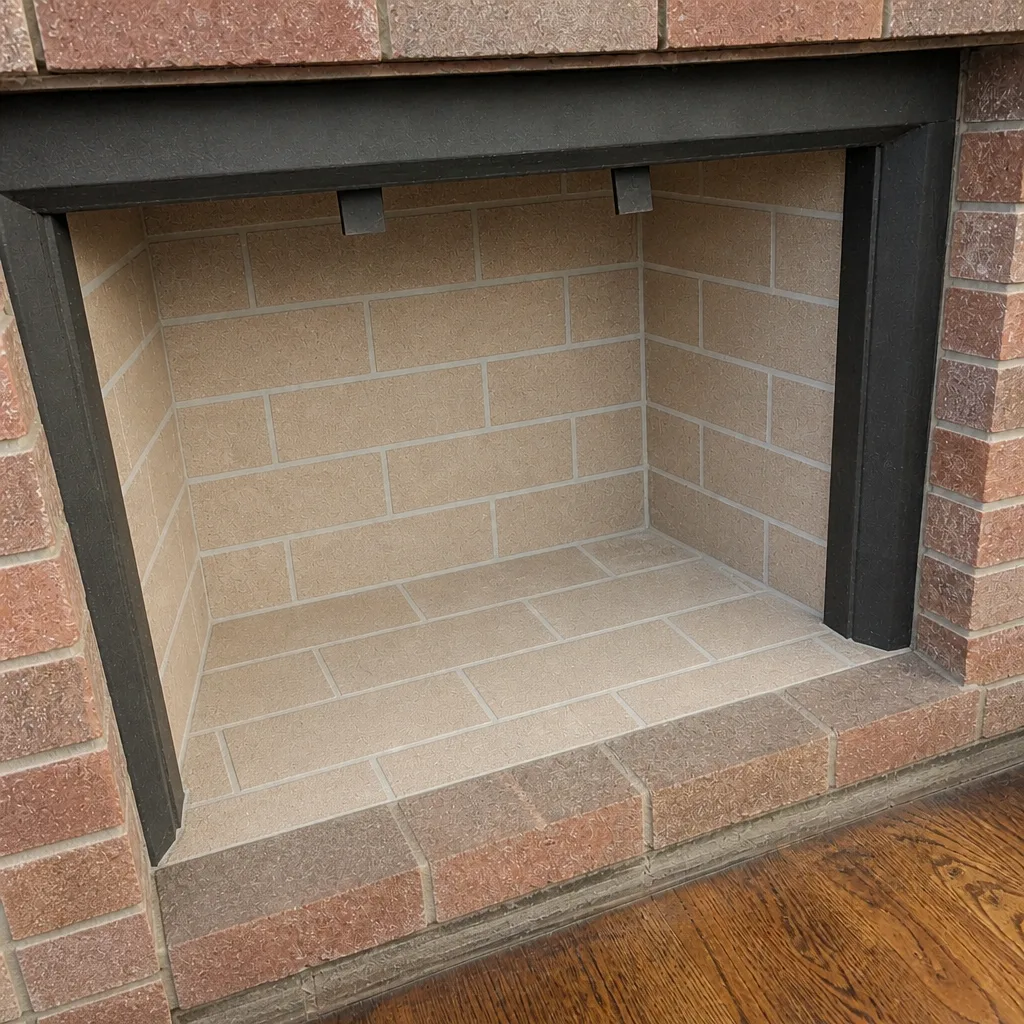
See the difference
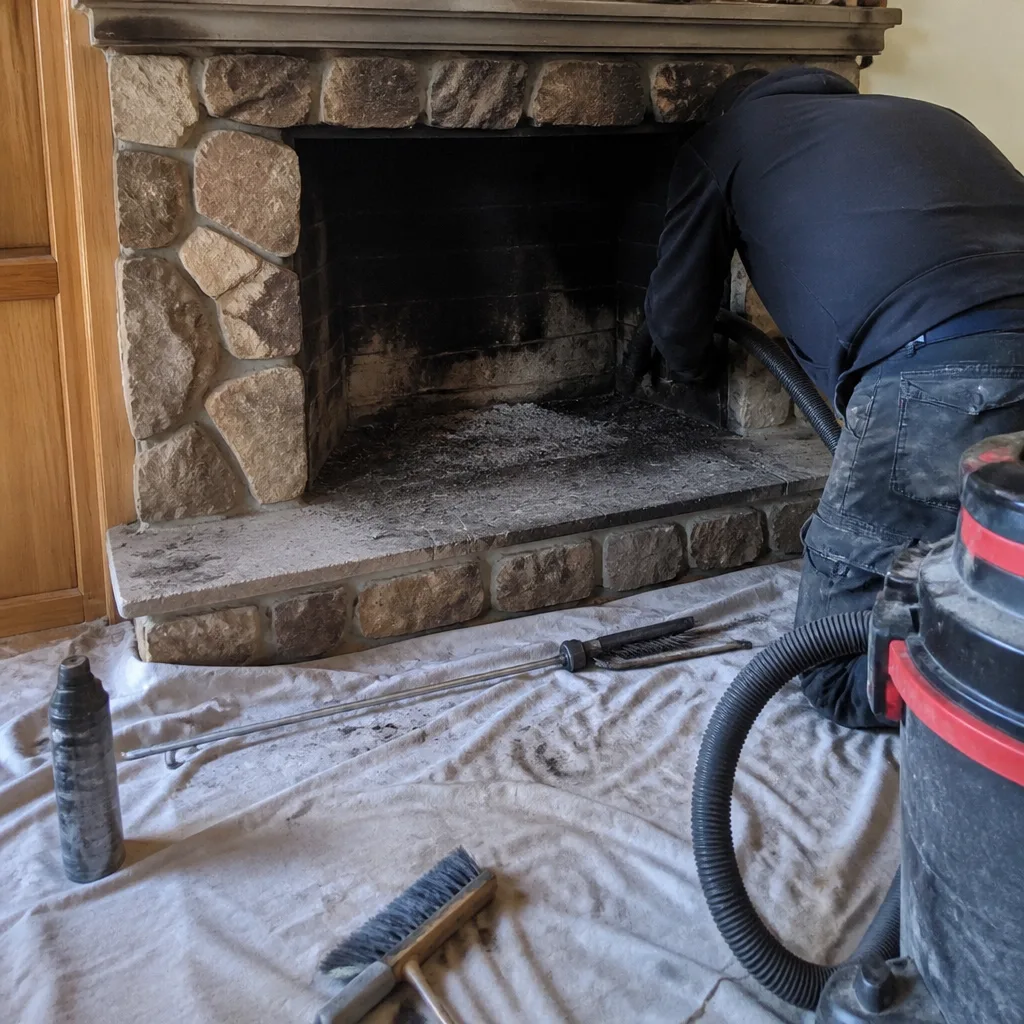 Before
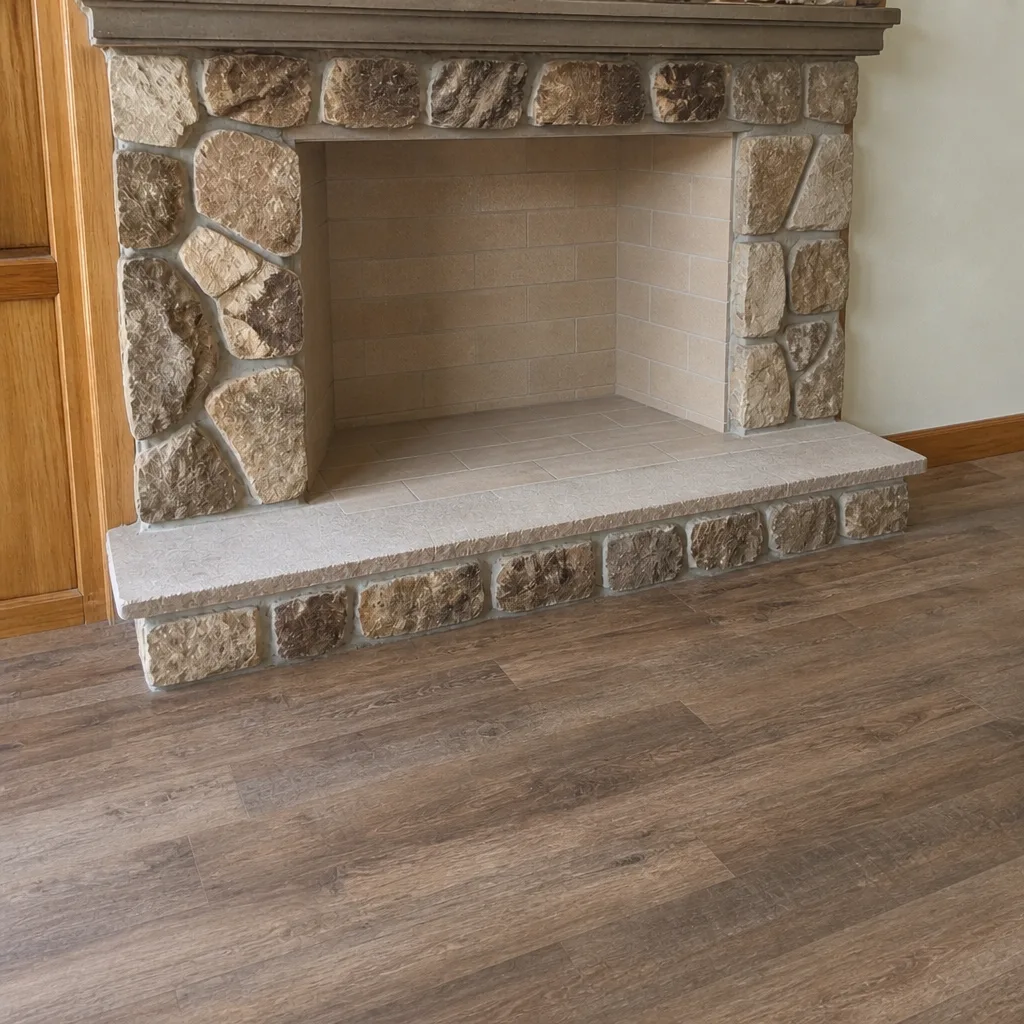 After
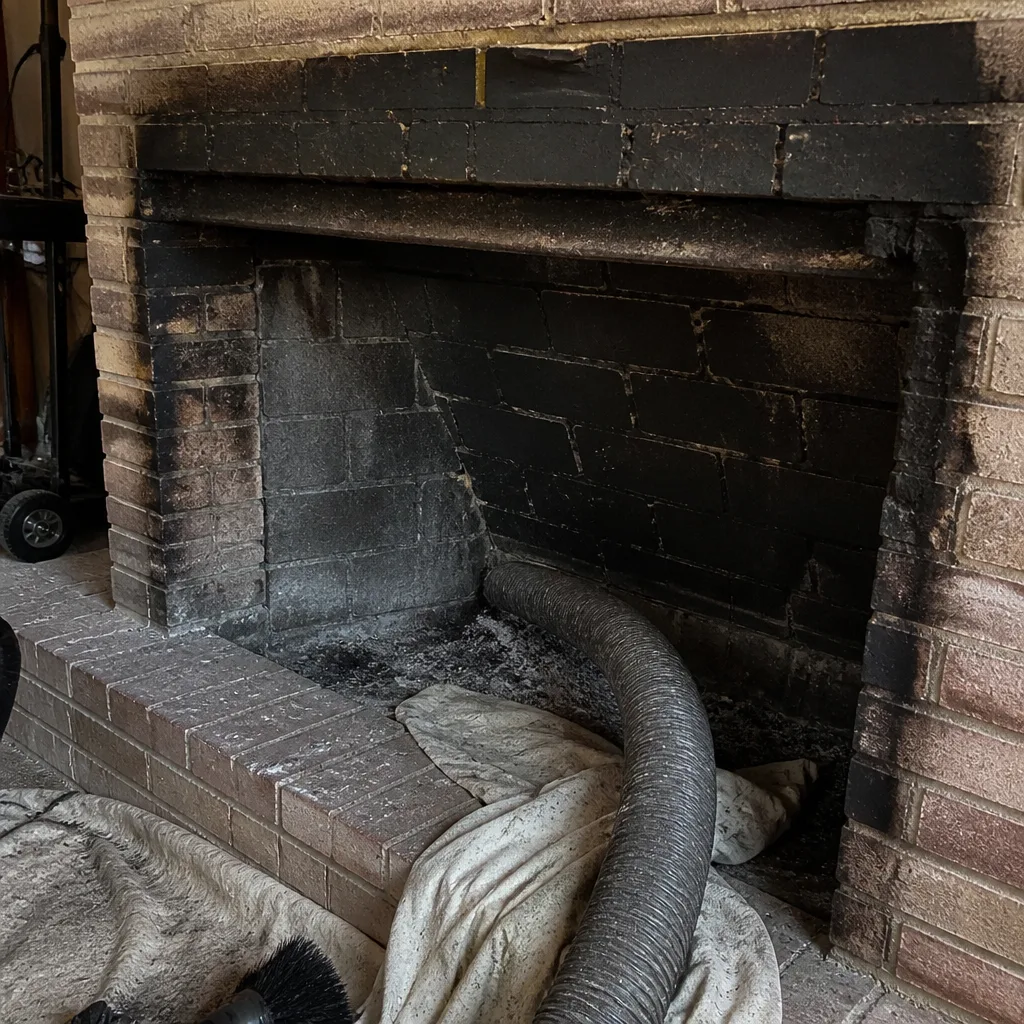 Before
 After
 Before
 After
When to Call a Professional
Some chimney problems wait, and some don’t. Call a professional if you’re seeing smoke coming back into the room when the fireplace is lit, if you’re smelling a strong smoke odor in the house when the fireplace is off, if the firebox or damper shows visible damage, or if it’s simply been more than a year since the last sweep. Those are the cases where the diagnostic camera and the trained eye matter. A pre-season sweep in Enterprise is the easy middle ground: catch the small stuff before it becomes a repair. Chimney Sweep Enterprise offers free estimates in Enterprise – call (855) 752-5896. We answer 24/7. Fast dispatch from 7am to 7pm, Sunday through Friday. Nothing is recommended without camera evidence you can see for yourself, and if the work can safely wait, we’ll tell you.
Frequently Asked Questions
A typical sweep in Enterprise runs in the same range as the rest of the regional market, and the price depends on the appliance, the flue condition, and whether the visit includes a camera inspection. A written estimate is set per job before booking, so you know the number before the technician arrives. Call (855) 752-5896 for an exact quote – estimates are free.
Only if the inspection shows the existing liner is cracked, deteriorated, or improperly sized for the appliance. A recommendation for a new liner should come with camera photos of the failure, and you should be able to see the problem yourself before you agree to the work. If a contractor recommends a liner without that evidence, ask for it. Call (855) 752-5896 if you’d like a second opinion on a liner recommendation – estimates are free.
Once a year for most wood-burning fireplaces and wood stoves, ideally before the heating season starts. A gas fireplace also benefits from an annual sweep and vent check. Homes with heavy use, or with creosote buildup noted on the last inspection, may need a shorter interval. Call (855) 752-5896 to book a sweep – estimates are free.
No, Nevada doesn’t license chimney sweeps, so certification isn’t legally required. It’s still the most reliable benchmark you have, because CSIA certification requires a written exam, a code of ethics, and continuing education. Ask any contractor for the card before you book. Call (855) 752-5896 if you’d like to talk through certification and what it covers.
Creosote builds up in the flue over time, and heavy creosote is the fuel load that turns a flue fire into a real hazard. Dust, debris, and blockages also accumulate in Enterprise’s dry climate and can restrict venting. Skipping a year isn’t a crisis, but skipping several raises the risk in ways you can’t see from the fireplace. Call (855) 752-5896 to schedule a sweep – estimates are free.
A sweep cleans the flue and firebox; an inspection examines the condition of the whole system, including the flue, firebox, damper, crown, and cap, and documents findings with a camera and report. Chimney Sweep Enterprise offers both, plus repair, so a finding during the sweep can be scheduled with the same company that sweeps the chimney. Call (855) 752-5896 to book the visit that fits your situation – estimates are free.
The Bottom Line
Nevada doesn’t license chimney sweeps, so the screening is on you. That’s not a reason to panic, it’s a reason to ask five specific questions: Are you CSIA certified and can I see the card, what brand of liner do you install, can you send a certificate of insurance, what’s the written scope of the sweep, and will I get a photo report. The answers filter out the handymen and the low-bid operators in about three minutes. The contractors who can answer all five are the ones worth hiring in Enterprise. And when a repair is recommended, ask for camera evidence of the problem. If they can’t show you, the recommendation isn’t ready to act on. Book a chimney sweep with a specialist who treats the whole system, not just the flue, and you’ll be doing the work right.
Chimney Sweep Enterprise provides free estimates in Enterprise. Call (855) 752-5896. We answer 24/7. Fast dispatch from 7am to 7pm, Sunday through Friday.
Written by the team at Chimney Sweep Enterprise.