
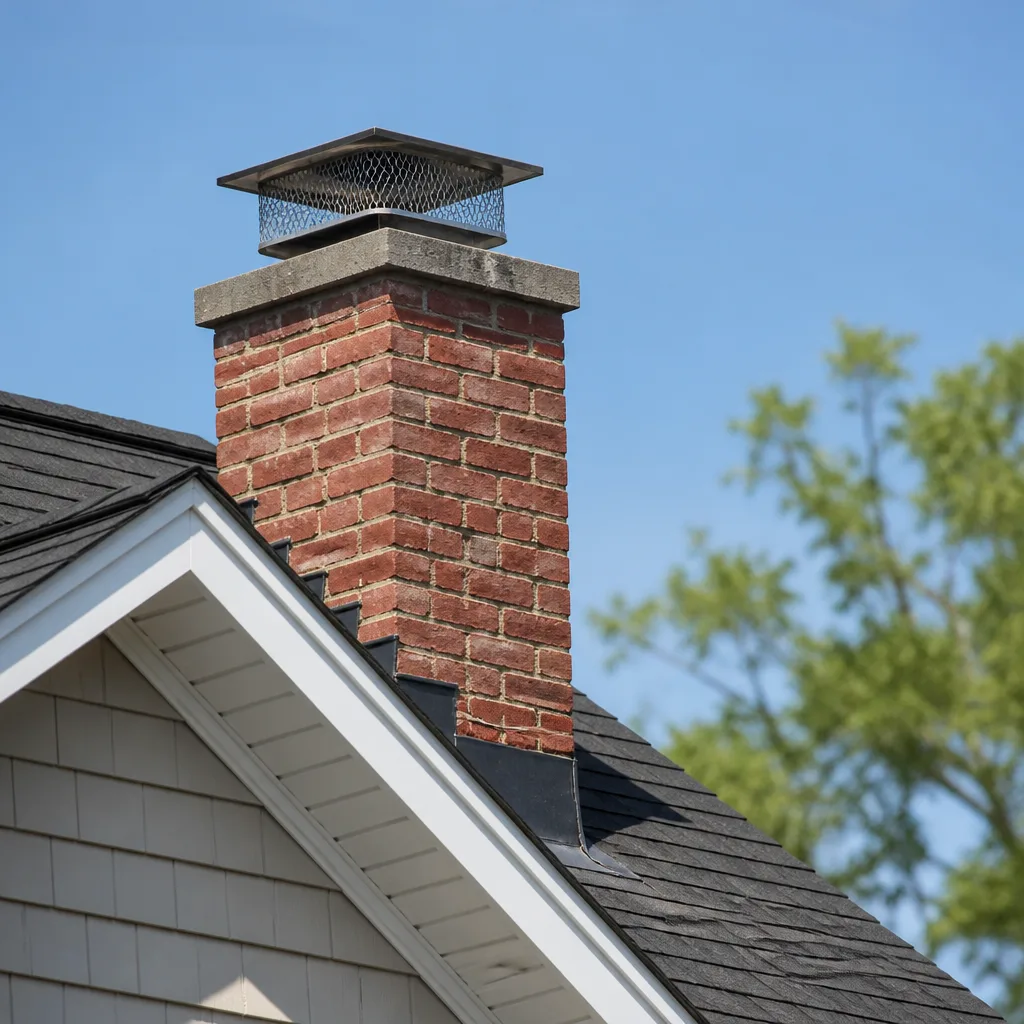
 Sweep & inspection
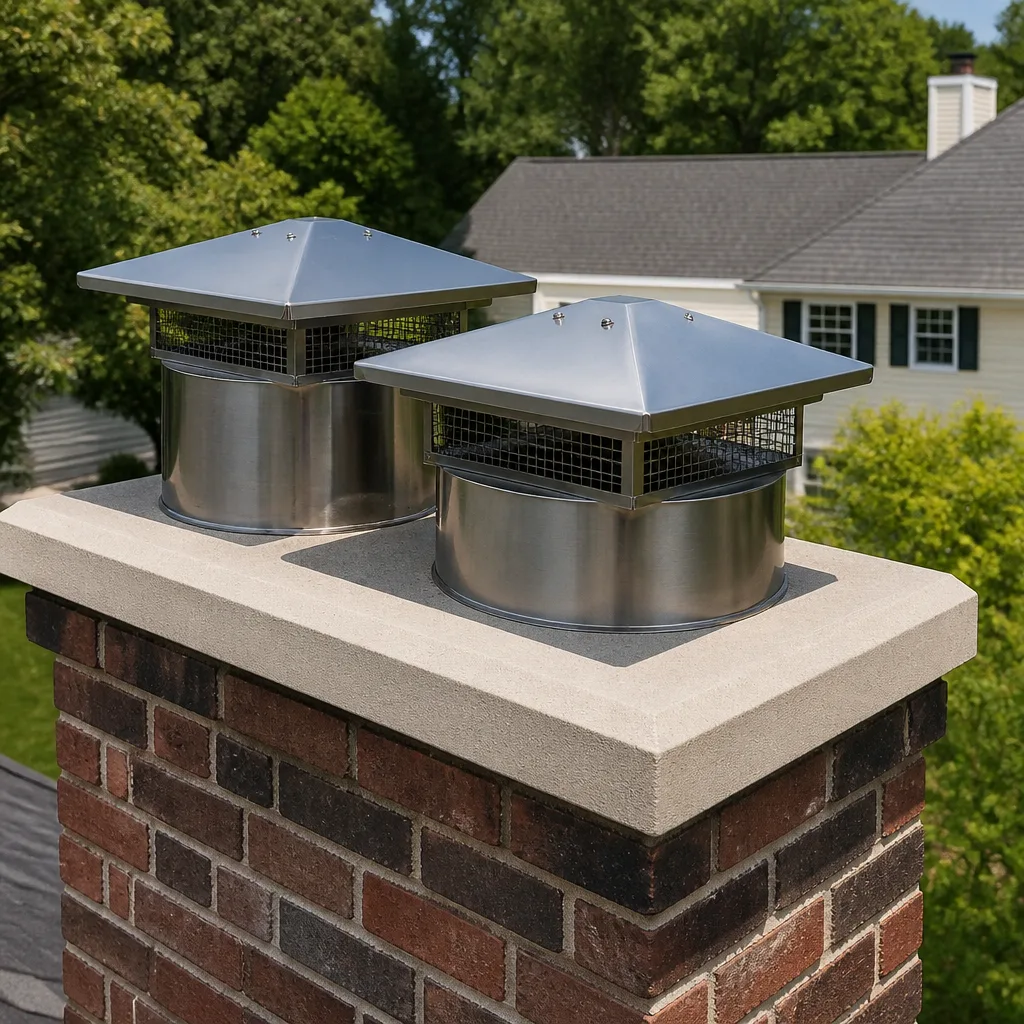 Caps & crowns
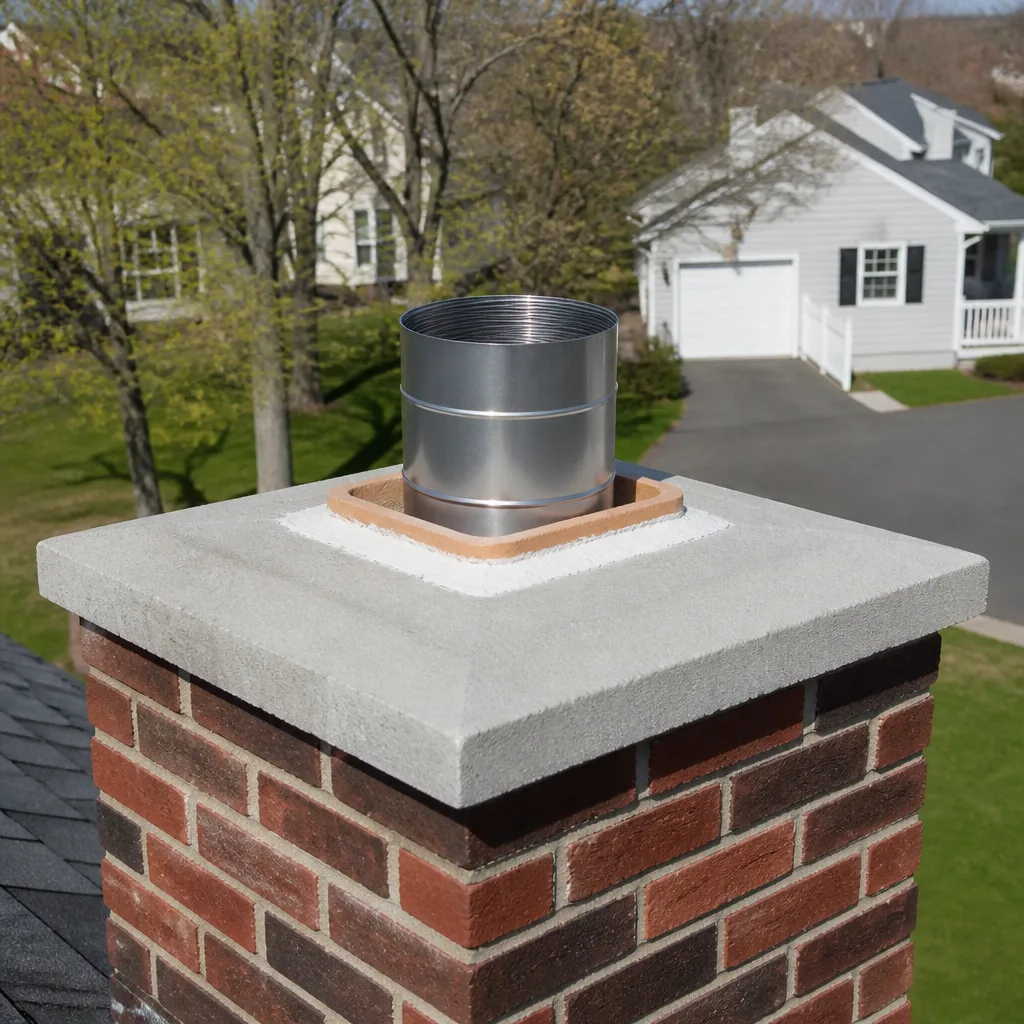 Flue relining
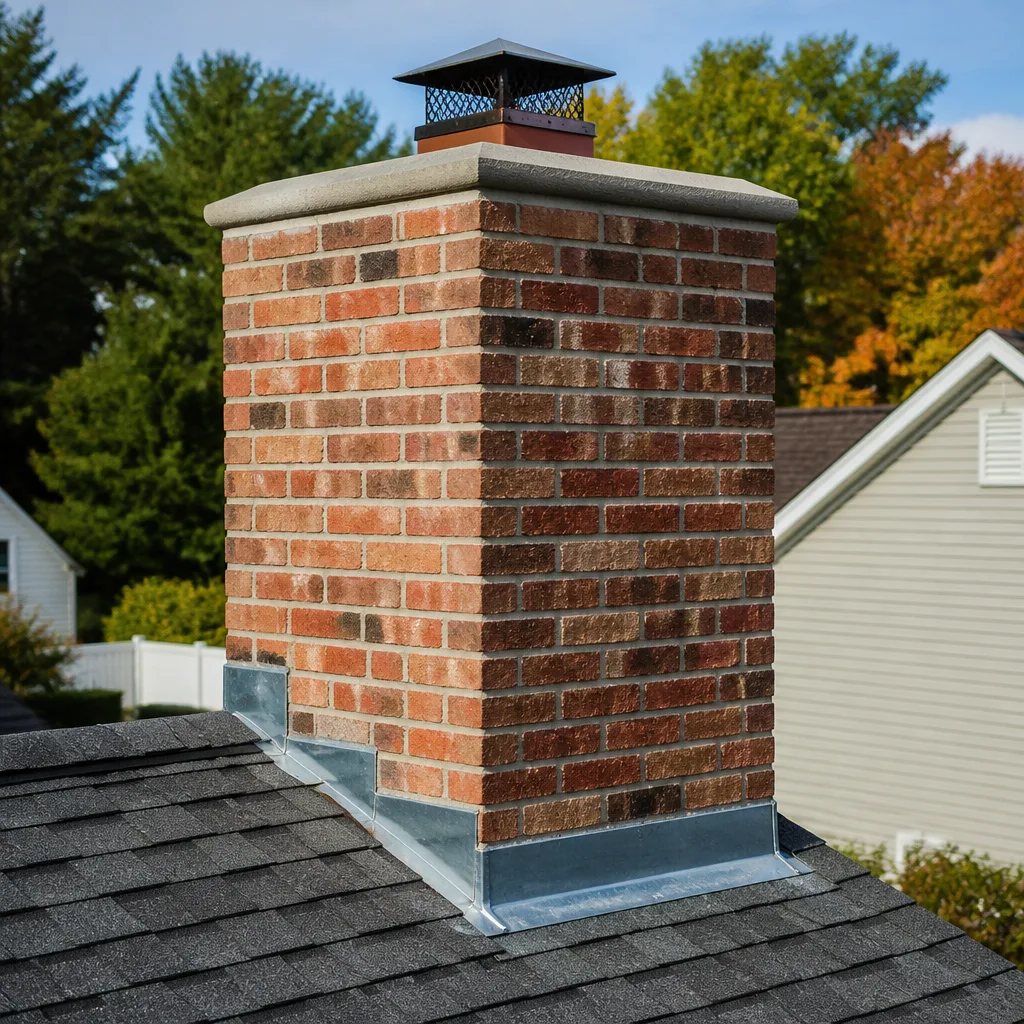 Masonry repair
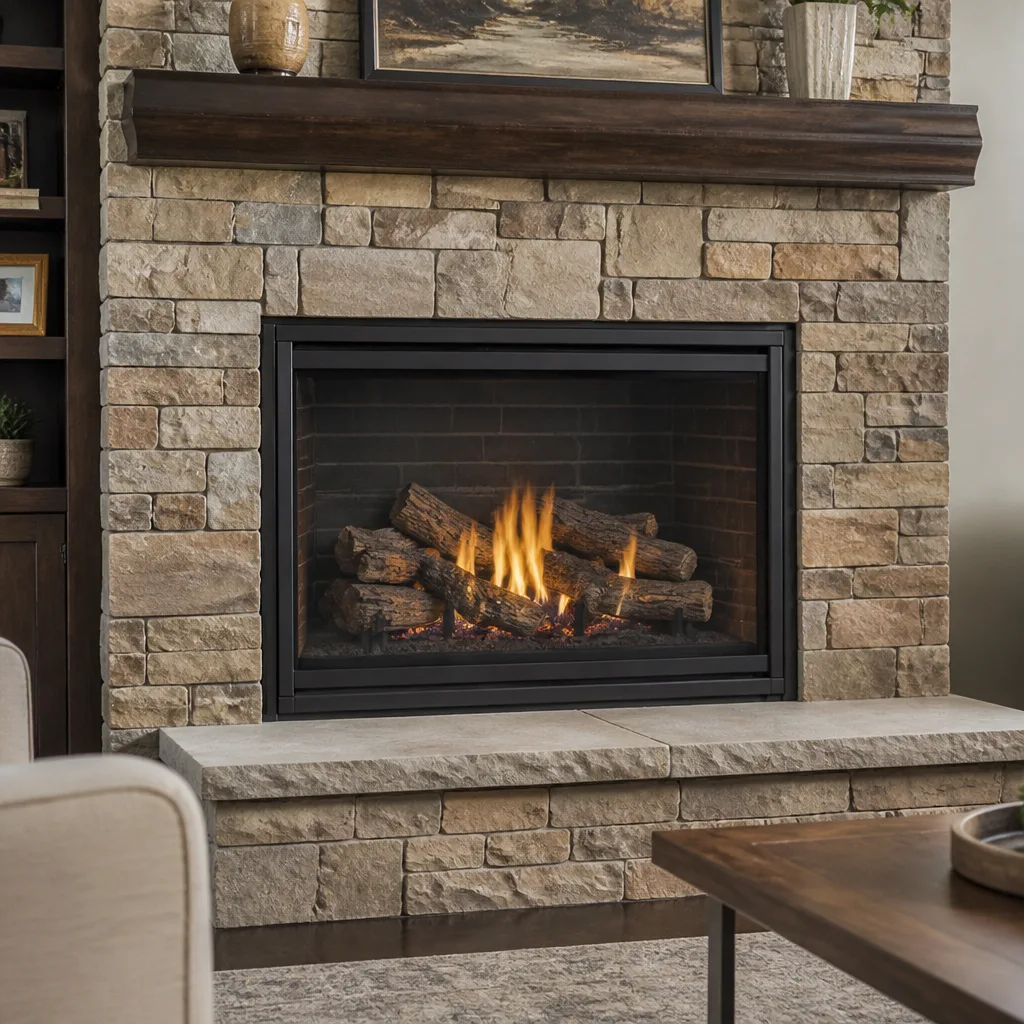 Gas fireplace service
Level 1 sweep and inspection to the NFPA 211 annual standard - flue, crown, cap, and flashing checked and photographed
Chimney sweep logs do not sweep chimneys. They loosen some creosote - which then falls where a brush and vacuum still have to collect it.
Styles & brands we work with
- Sweep & inspection
- Caps & crowns
- Flue relining
- Masonry repair
- Gas fireplace service
See the difference
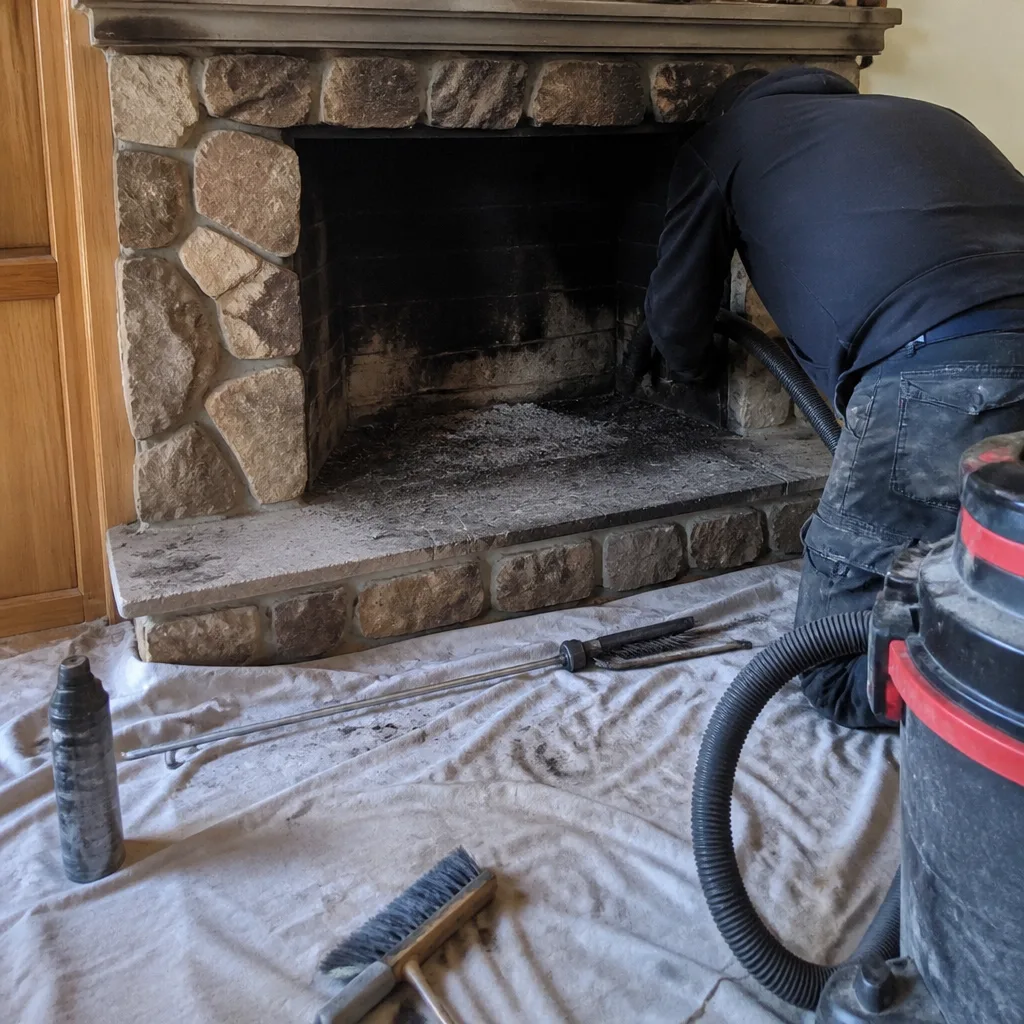 Before
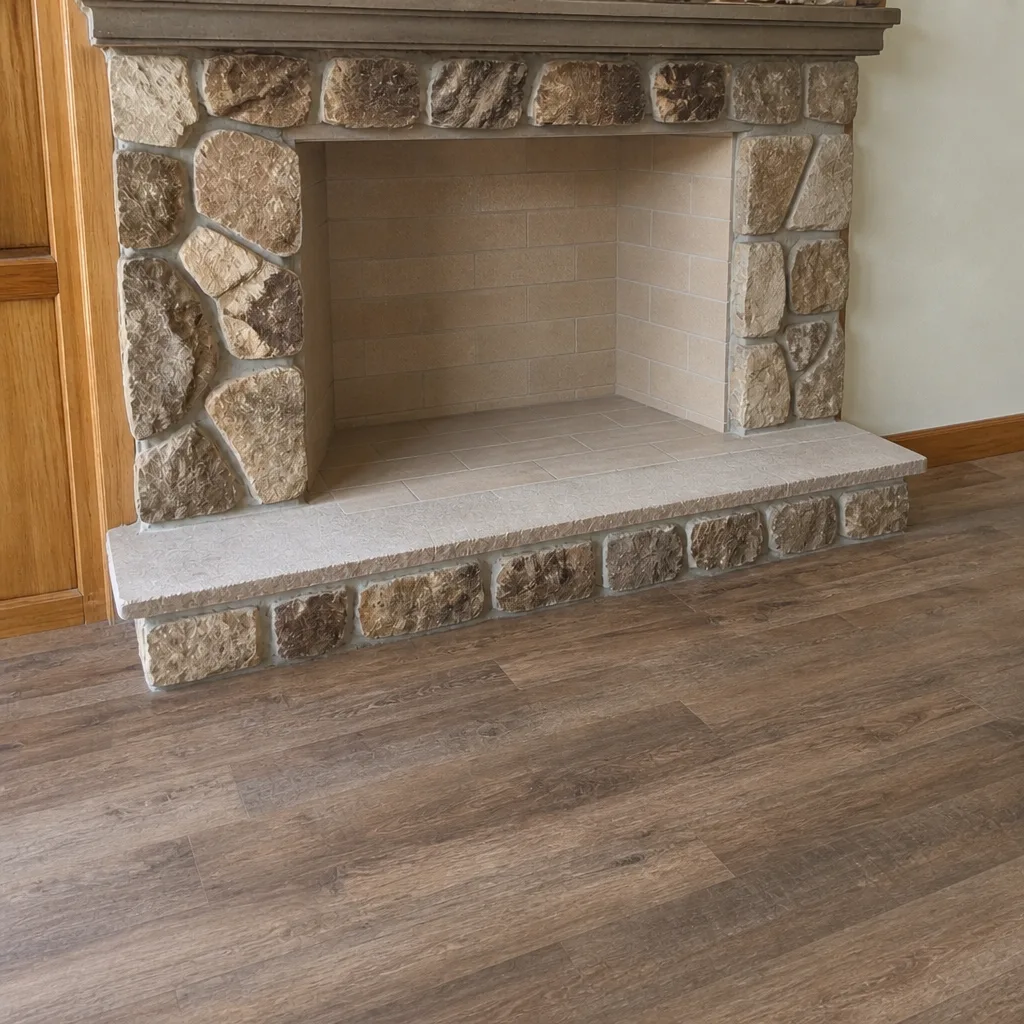 After
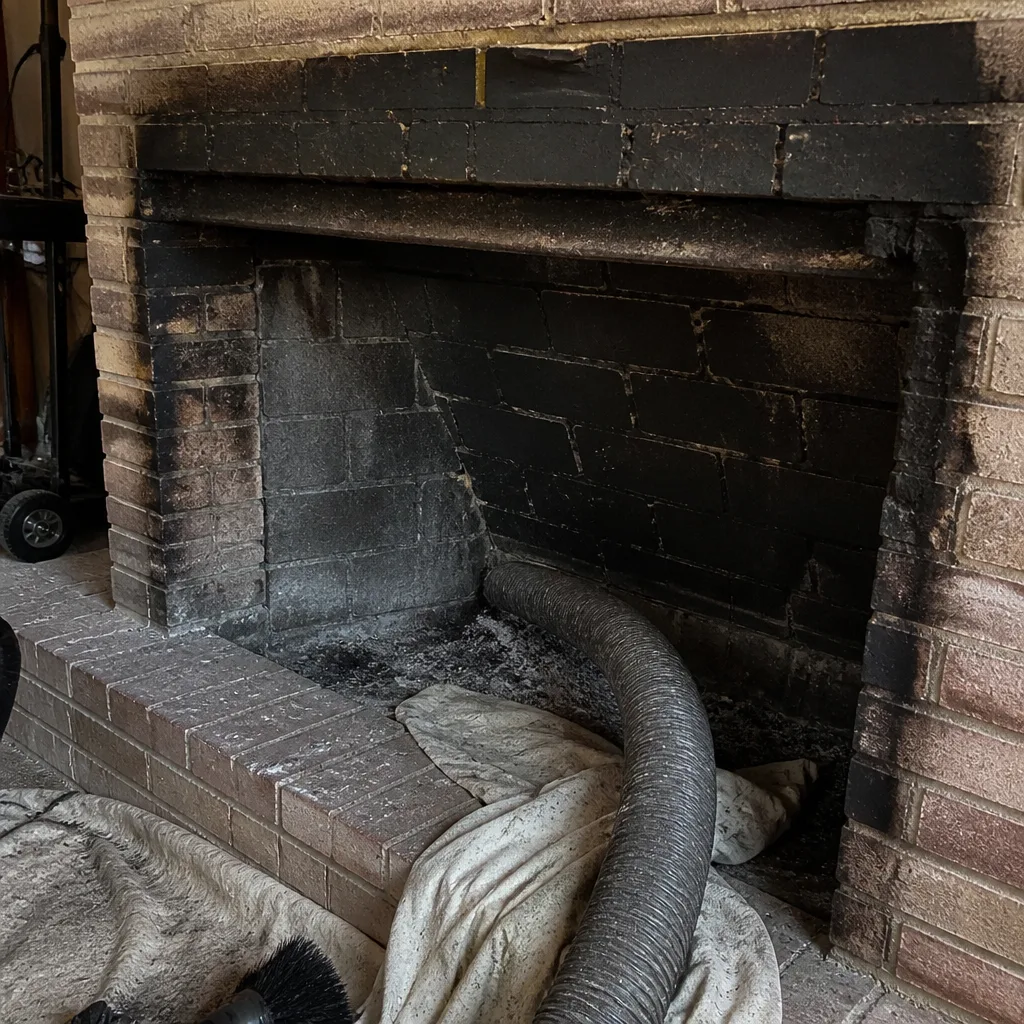 Before
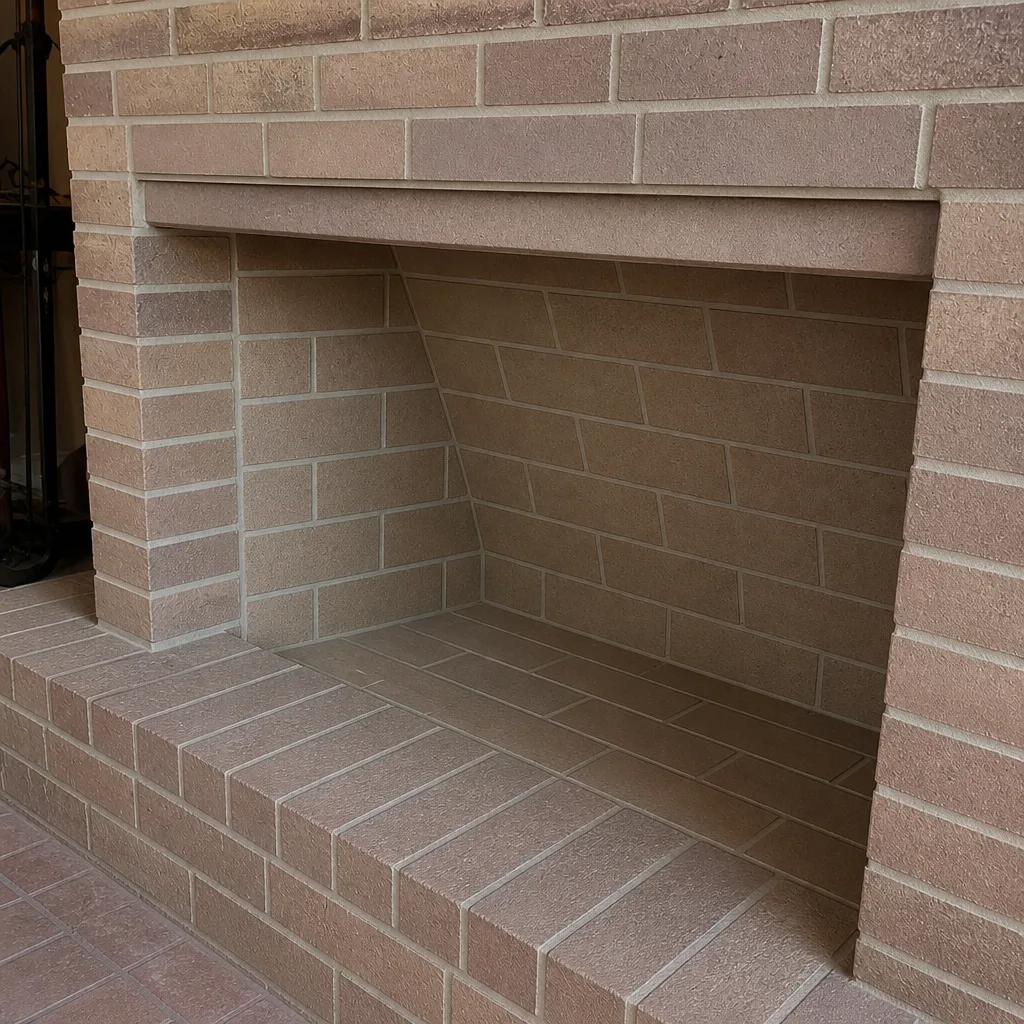 After
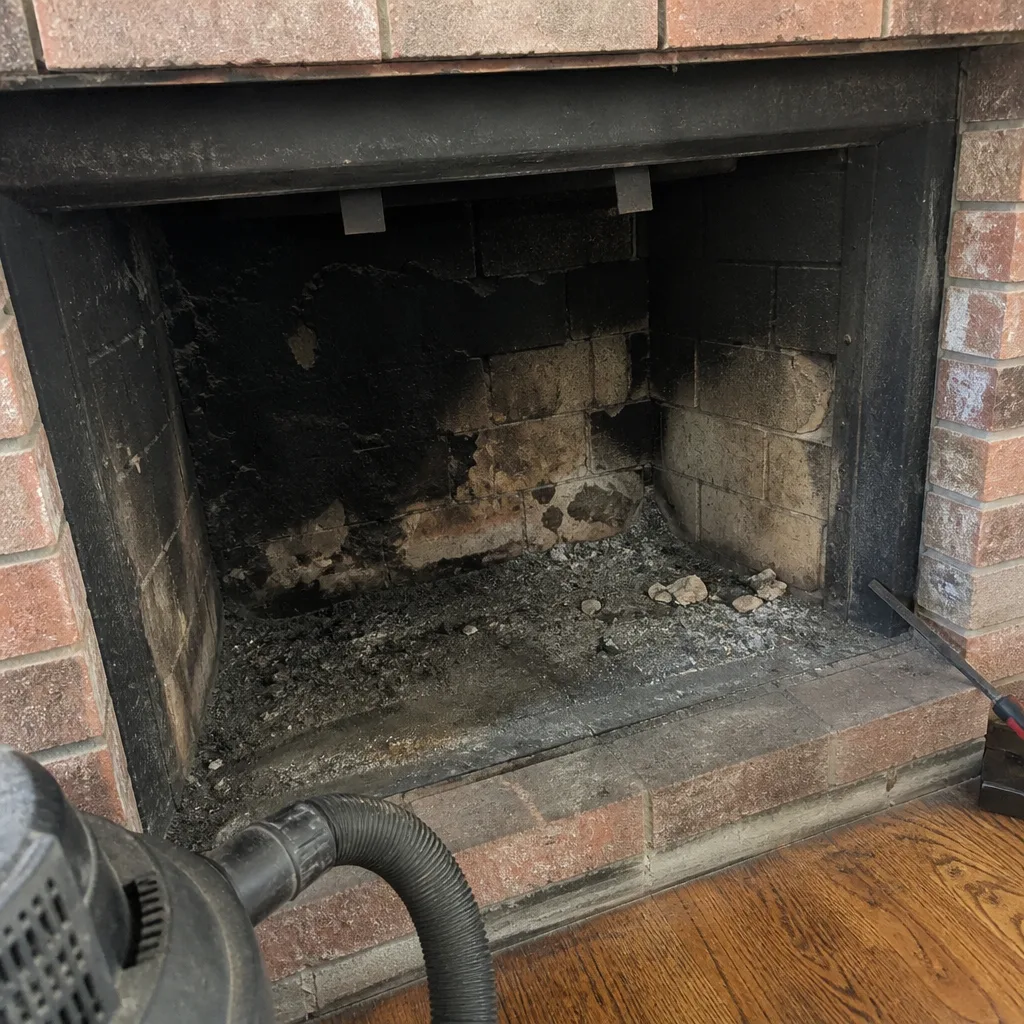 Before
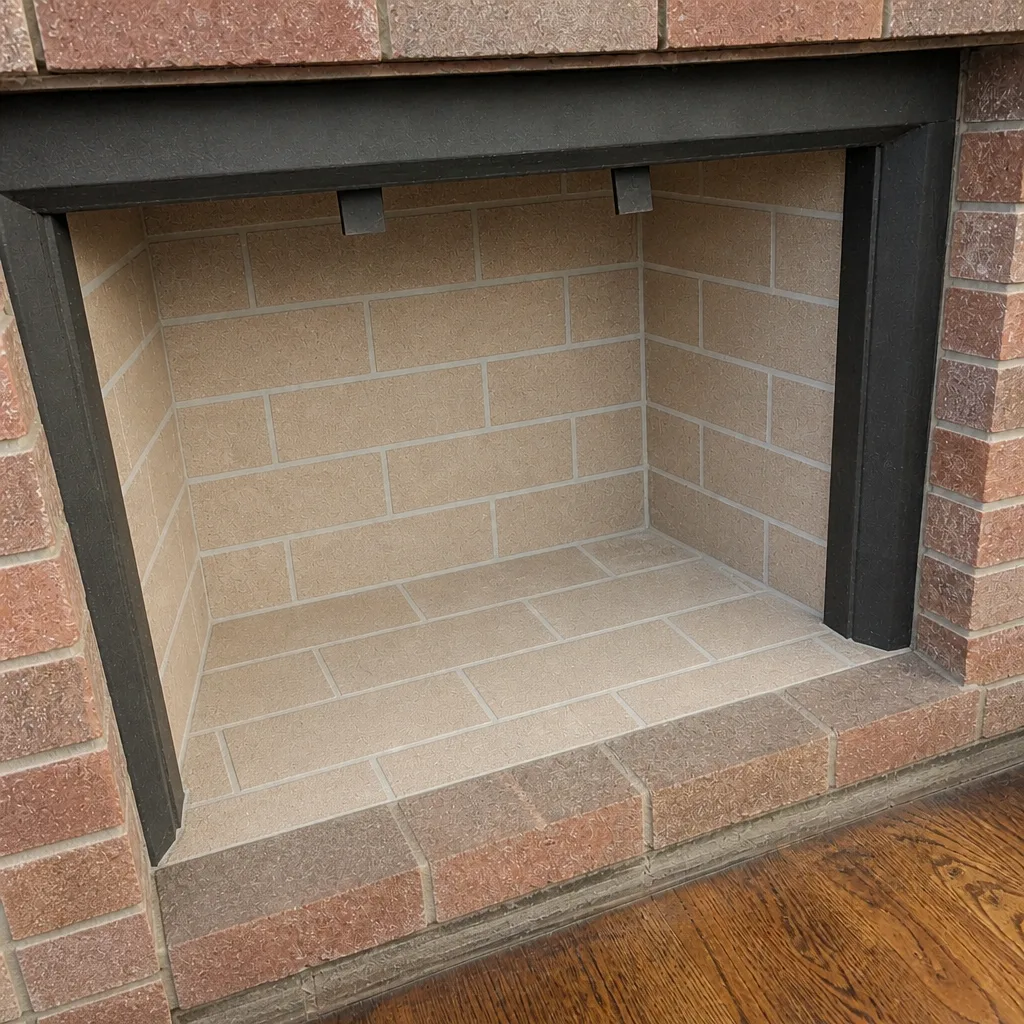 After
How Much Does Chimney Liner & Rebuild Cost in Enterprise?
Chimney liner work and rebuild projects in Enterprise typically run from about $2,200 to $4,500 for a standard stainless liner install, and $6,000 to $18,000 or more for a partial or full chimney rebuild, depending on the size and condition of the stack. Most single-story homes we quote fall in the middle of those ranges. The written estimate you get on site sets the final price, and our estimates are free.
Enterprise is a desert valley town with intense summer heat and cool high-desert winters, often with strong wind. Those swings put real stress on a chimney, and they’re part of why liner and rebuild pricing here isn’t the same as pricing in a mild coastal market. This guide breaks down what each line item means, what pushes a project toward the low or high end, and how to tell whether you need a liner, a rebuild, or both.
Key Takeaways
- Stainless steel liner installation in Enterprise: roughly $2,200 to $4,500 for a typical single-flue home.
- Partial chimney rebuild: roughly $6,000 to $11,000. Full rebuild: roughly $11,000 to $18,000 or more.
- HeatShield resurfacing can repair a damaged flue without a full rebuild when the structure is still sound.
- Trade-grade brands like DuraFlex, HeatShield, Gelco, Olympia Chimney, Famco, and Copperfield are what we specify, because they’re built to last, not just to pass an inspection.
- Our technicians have up to experience, and the same specialists handle the sweep, the repair, and the inspection.
Chimney Liner & Rebuild Cost Breakdown (2026)
Here’s what the line items look like for Enterprise homeowners in 2026. These are typical ranges. The estimate you get in writing is what you actually pay.
| Line Item | Typical Range (Enterprise, 2026) |
|---|---|
| Stainless steel liner install (flex, single flue) | $2,200 – $4,500 |
| DuraFlex flexible liner for a wood stove or insert | $2,500 – $5,000 |
| HeatShield flue resurfacing (per flue) | $1,800 – $3,800 |
| Partial rebuild (crown-up, top portion of stack) | $6,000 – $11,000 |
| Full chimney rebuild (ground-up or from roofline) | $11,000 – $18,000+ |
| Chimney crown repair or replacement | $450 – $1,400 |
| Chimney cap (Gelco multi-flue or single-flue) | $280 – $850 |
| Damper and ventilation component repair (Famco) | $250 – $1,100 |
| Masonry repointing and mortar repair | $600 – $2,500 |
| Flashing repair and re-seal | $400 – $1,200 |
What drives cost up: a second flue that needs its own liner, a long stack with a tall roofline that requires more staging, a chimney that needs both a liner and a top-down rebuild, and any structural damage hidden behind the exterior (we usually find this during the inspection). What drives cost down: a chimney that’s still structurally sound and only needs resurfacing rather than masonry replacement, a straight, unobstructed flue, and bundling the sweep, inspection, and repair so you’re not paying for multiple visits.
The biggest single variable is usually the liner. Synthetic or aluminum liners are cheaper upfront but don’t hold up in a wood-burning setup; a stainless flexible liner from a professional line like DuraFlex carries a manufacturer-backed service life that a bargain liner can’t match. And a two-flue house gets two liners, not one. If you’re pricing a two-flue chimney, ask us to quote each flue separately so you can see the real difference.
What Affects Chimney Liner & Rebuild Pricing in Enterprise
- Desert heat and temperature swings. Enterprise sees scorching summer afternoons and freezing winter nights, sometimes within the same week. That expansion and contraction works on mortar joints and crowns, and it’s one reason we see a lot of cracked crowns and loose mortar here. A chimney kept in good repair handles the swing better than one that’s left alone.
- Strong valley wind. This part of Southern Nevada gets wind that pushes hard against a chimney and the roof around it. Missing or loose caps let wind and rain straight into the flue, so a proper Gelco cap is a small line item that prevents a much bigger repair. Wind also tests flashing and masonry at the roofline, where a leak usually starts.
- Stucco over masonry on many homes. A lot of Enterprise-area homes use stucco over the chimney’s exterior. When the stucco cracks, water gets behind it, and a rebuild often means addressing that exterior layer as well as the masonry underneath. That adds cost compared with a plain brick chimney, so we look at the exterior as part of the estimate.
- Flue size and shape. A straight round flue is the easiest to line. Square or offset flues, or a clay tile flue with a missing tile, need more prep work and sometimes a slightly different liner system. Both are common here.
- Roof height and access. A low single-story roofline is easier (and cheaper) to work on than a tall, steep, or multi-level roof. The taller the stack and the steeper the pitch, the more staging and time the rebuild takes.
- Condition found during inspection. A chimney can look fine from the ground and still have a cracked flue inside. We don’t quote a rebuild until the inspection shows what’s actually there. That’s why in-person estimates matter more than phone quotes.
If you’ve had a chimney fire, or you’ve seen smoke backing into the room or crumbling mortar around the firebox, those are signs to get it looked at before winter. A quick call now typically costs far less than a rebuild later.
How to Save on Chimney Liner & Rebuild
You can’t avoid real structural repair, but there are real ways to keep a project from ballooning:
- Get the inspection first. Repairing what’s actually broken beats replacing what isn’t. A proper inspection tells you whether HeatShield resurfacing will do the job, or whether you’re looking at a true rebuild. It’s the difference between a $2,000 job and a $12,000 job.
- Bundle the sweep and the repair in one visit. The same specialists handle the sweep, the liner, and the inspection. You’re not paying multiple contractors or coordinating schedules.
- Fix the small stuff early. A cracked crown or a missing cap is a modest line item. Left alone, that same crack lets water in, and water plus freeze-thaw is what turns a small repair into masonry replacement. Catch it early and the price stays low.
- Choose the liner for lifespan, not the lowest sticker. A professional-grade flexible liner from a line like DuraFlex is what building professionals specify, and it’s built to last, not just to pass an inspection. Paying a bit more upfront usually beats replacing a bargain liner sooner.
- Ask for a written, itemized estimate. Our estimates are free, and we show you the line items. That way you can compare the repair to the alternative and decide with real numbers in front of you.
Call (855) 752-5896. We answer 24/7. Fast dispatch from 7am to 7pm, Sunday through Friday, and our estimates are free.
Should You Repair, Rebuild, or Replace Your Chimney?
The short answer: repair if the structure is sound and only the interior surface is damaged; rebuild if the masonry itself is failing; and only consider removal if the chimney is genuinely unusable and you no longer want a fireplace. Most Enterprise homeowners end up somewhere between repair and rebuild, not at full tear-down.
- Resurface (HeatShield) when: the clay tile has cracks or gaps but the masonry shell and crown are structurally solid. This is the repair, not the rebuild. It’s designed to extend the life of the flue, not to mask the damage.
- Rebuild when: the mortar is crumbling throughout, the chimney is leaning, water is getting into the structure, or a qualified inspection finds the core compromised. A rebuild addresses the cause, not just the surface.
- Install a liner when: there’s no liner, or the existing liner is damaged, cracked, or too old for the appliance connected to it. A liner is a safety system, not a cosmetic one.
We use HeatShield for resurfacing and DuraFlex liner systems because they’re what chimney professionals specify for work that lasts. Both are professional-grade materials, not the cheapest thing at a big-box store.
Is a Chimney Liner or Rebuild Worth the Cost in Enterprise?
Yes, if the chimney is connected to a fireplace or wood stove you actually use. The safety case is what matters most: a cracked or missing flue liner lets heat and combustion gases reach materials they shouldn’t, and that’s a real fire risk. Beyond safety, a proper liner and a sound masonry structure protect the roof and the house from water intrusion, which is expensive to fix after the fact. In a climate with wide temperature swings, a chimney kept in good repair lasts meaningfully longer than one patched only when it fails. That makes the upfront cost a maintenance investment, not just a safety expense.
We treat your chimney as a system: the flue, the crown, the flashing, the cap, and the firebox all work together. Fixing one piece while ignoring the rest usually means calling someone back later. Sweep. Repair. Inspect. All from one specialist, and that’s the full loop, so nothing gets missed and nothing gets referred out. If you want to see how that is handled across the Enterprise area, we can walk you through it on site.
Why Brand-Name Materials Matter on a Chimney Job
Chimney work is one of those trades where the cheapest materials look fine until five years in. We specify professional-grade product lines by name because that’s what chimney professionals trust for lifespan and performance:
- DuraFlex for flexible liner systems.
- HeatShield for resurfacing repair work.
- Gelco for chimney caps.
- Famco for ventilation components.
- Olympia Chimney and Copperfield for specialty parts and supply-line access.
Those names matter because they’re traceable. You know what’s going into your chimney, and it’s backed by the manufacturer, not just the installer. It also means repairs and rebuilds are handled by the same specialists who did the inspection, with the right parts on hand rather than improvised. If you’re comparing quotes, a line item that just says “liner” without a brand is worth asking about.
What the Chimney Liner & Rebuild Process Looks Like
- Inspection. We look at the flue interior, the crown, the flashing, the cap, and the exterior masonry. That’s what tells us whether it’s a liner, a resurfacing, or a rebuild.
- Written estimate. We go over the line items: what needs doing, what can wait, and what the alternatives are. Free.
- Sweep, if needed. Most repairs start with clearing any soot and creosote so the work area is clean.
- Liner or resurfacing. Depending on the finding, we install a DuraFlex liner or apply HeatShield resurfacing to repair the flue.
- Rebuild, if required. A rebuild addresses failing masonry, the crown, and the exterior. We do it correctly, so it’s built to last.
- Final check. We confirm the flue, cap, and components are working the way they should before we leave.
If your chimney is on a steep roof or has serious structural damage, that work is for trained professionals only. Chimney work involves heights, heavy masonry, and combustion safety, and it’s not something to tackle from a ladder on your own. A real inspection by someone who does this every day is worth the call.
FAQs – Chimney Liner & Rebuild Cost
How much does a chimney liner cost in Enterprise?
A stainless steel liner install for a typical single-flue home in Enterprise runs about $2,200 to $4,500. A wood stove or insert setup with a DuraFlex flexible liner is typically $2,500 to $5,000, and a two-flue chimney costs about twice as much because it takes two liners. Call (855) 752-5896 for an exact quote, and estimates are free.
How much does a chimney rebuild cost in Enterprise?
A partial rebuild in Enterprise usually runs $6,000 to $11,000, and a full rebuild ranges from about $11,000 to $18,000 or more depending on the stack height and exterior finish. Stucco-over-masonry exteriors add to the price. Call (855) 752-5896 to get a written estimate for your chimney.
Is it cheaper to repair or rebuild a chimney?
Repair is cheaper when the structure is sound: a HeatShield resurfacing typically runs $1,800 to $3,800, while a rebuild starts around $6,000. The question is which one you actually need, and only an inspection can tell you. Call (855) 752-5896 to book one, estimates are free.
Can you come today for a chimney estimate?
Same-day estimates are often possible, and it depends on the day’s schedule. We answer 24/7. Fast dispatch from 7am to 7pm, Sunday through Friday. Call (855) 752-5896 to book your free estimate.
How do I know if my chimney needs a liner or a rebuild?
You need a liner if the flue is unlined or the existing liner is cracked or damaged; you need a rebuild if the masonry itself is failing, leaning, or letting water in. Those are different problems and different costs, which is why an inspection comes first. Call (855) 752-5896 and we’ll look at the whole chimney at Chimney Sweep Enterprise, not just one part of it.
Get a Free Chimney Liner & Rebuild Estimate in Enterprise
If you’re not sure whether your chimney needs a liner, resurfacing, or a rebuild, we’ll tell you straight. Our estimates are free and written with line items, and the same specialists who do the inspection handle the repair. Our technicians have up to experience, and we offer a satisfaction guarantee on the work. Call (855) 752-5896. We answer 24/7, with fast dispatch from 7am to 7pm, Sunday through Friday. We’re closed Saturday. If a call comes in outside dispatch hours, we’ll book you into the next opening.
Pricing reflects the Enterprise market as of 2026. Chimney Sweep Enterprise offers free estimates – call (855) 752-5896.
Written by the team at Chimney Sweep Enterprise.
What Our Customers Say
"Liner was cracked in two places. He walked me through the repair options honestly, including the one that was cheaper for him and better for me."
- Whitney Norris"Drop cloths everywhere, HEPA vac, and not a speck of soot on the carpet. I'd been dreading the mess for nothing."
- Andre Bryant"Good work. The written inspection report took about a week to arrive after I asked for it, which was slower than I expected."
- Nathan Kowalski